Revolutionary Game Therapy: How Tetris is Changing Lives After Trauma
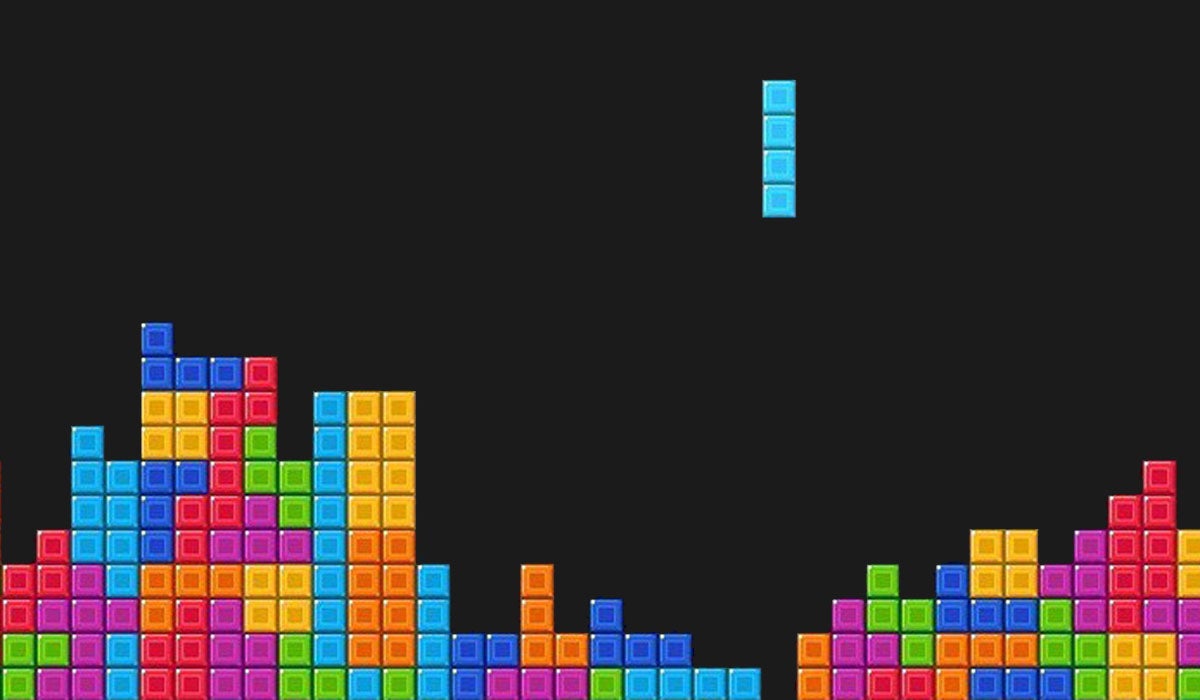
Recent research from a collaborative study involving UK and Swedish scientists suggests that playing the classic video game Tetris could serve as an innovative therapy for those struggling with distressing memories following traumatic experiences. Health workers who participated in a trial exhibited a notable decrease in flashbacks after engaging with the engaging puzzle game as part of their treatment.
A Breakthrough in Trauma Treatment
The study, published in The Lancet Psychiatry, involved 99 NHS employees who had encountered traumatic events, particularly during the Covid-19 pandemic. Out of these, 40 participants underwent a novel treatment known as imagery competing task intervention (ICTI). This method incorporated playing a slow version of Tetris, allowing individuals to visualize the game while recalling a trauma briefly. The innovative approach suggests that this brief mental exercise can significantly weaken the vividness of intrusive memories.
The Impact of the Intervention
Results from the trial indicated that those who engaged in ICTI reported experiencing 10 times fewer flashbacks within just four weeks compared to other treatment groups. Furthermore, six months after the intervention, approximately 70 percent of participants no longer experienced intrusive memories. This simple yet effective technique also displayed promise in addressing symptoms of post-traumatic stress disorder (PTSD).
Expert Insights on the Findings
Emily Holmes, professor of psychology at Uppsala University and the lead researcher, expressed her excitement about this breakthrough, stating, "We are delighted to have made a real breakthrough by showing this intervention works." In emphasizing the intervention's accessibility, she noted its potential adaptability for various populations, positing that it could become a valuable resource for healthcare workers frequently exposed to trauma.
The Future of Digital Mental Health Interventions
With plans to expand testing among larger and more diverse groups, the research team is optimistic about refining and implementing this intervention within healthcare systems. Tayla McCloud, the research lead for digital mental health at Wellcome, remarked on the impressive results, emphasizing the intervention's simplicity and its ability to transcend language barriers. She highlighted the importance of diverse mental health treatments, making accessible therapies available for all.
This emerging method of treatment underscores a significant leap in mental health care, merging gaming and therapeutic techniques in a way that is both engaging and effective. As the field of mental health continues to evolve, Tetris may soon prove to be more than just an entertaining pastime—it could be a key player in supporting mental well-being for those affected by trauma.

