Revolutionary Findings: Older Male Whales Are Winning the Mating Game!
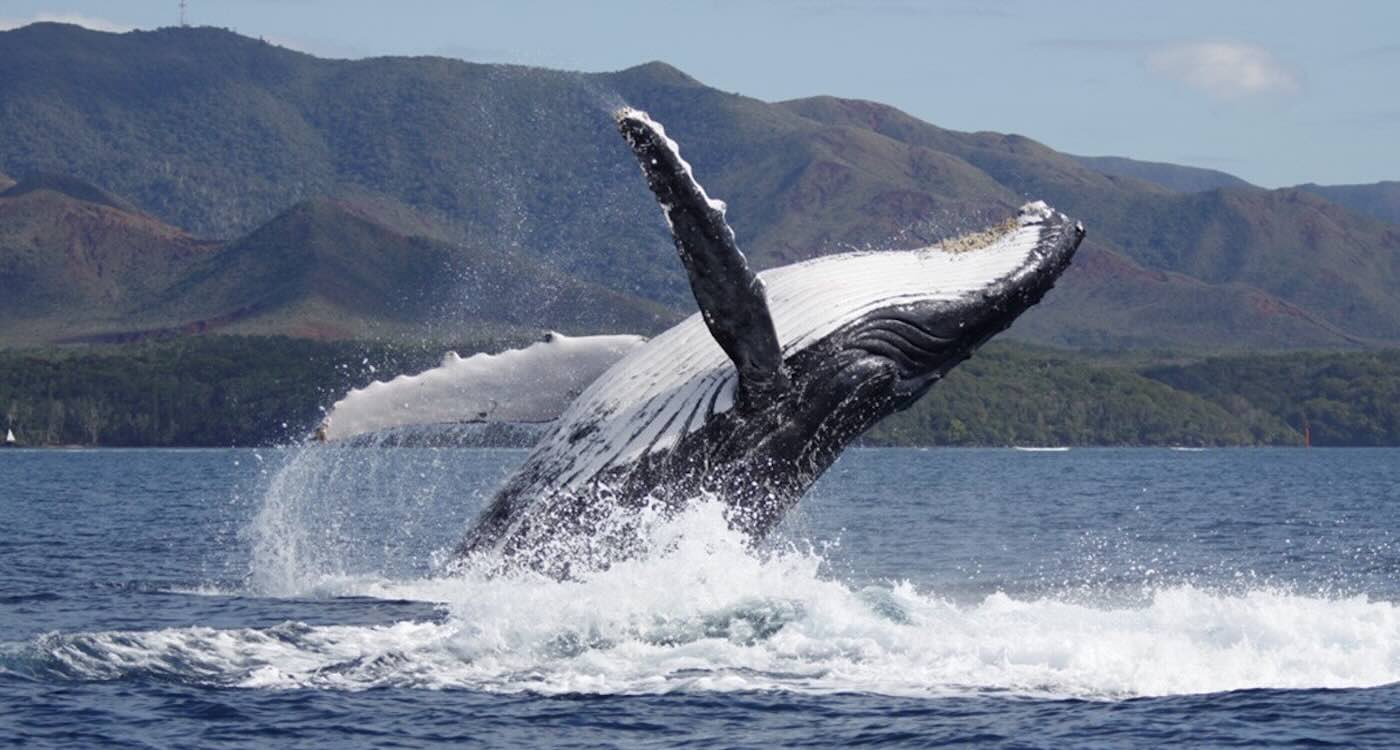
Recent research reveals that older male humpback whales are significantly more successful at mating than their younger counterparts, primarily due to their superior singing abilities. This study highlights how the recovery of whale populations following the cessation of commercial whaling is reshaping reproductive dynamics among these marine giants.
The Role of Age in Reproductive Success
Conducted by the Sea Mammal Research Unit at the University of St. Andrews, the research shows that older male humpbacks, having developed their singing and mating tactics over years, are now leading in the birthing of offspring. As female whales appear to be becoming more selective, this trend underscores the advantage experienced males have in securing reproductive opportunities.
The Comeback of Humpback Whale Populations
After decades of decline due to whaling, humpback whale populations are not only recovering, but they are also showing improvements in behavior and competition. The study analyzed two decades of data from humpback whales breeding in New Caledonia, revealing that as the population grew, so did the proportion of older singing males successfully fathering calves.
Advancements in Research Techniques
Utilizing advanced genetic analysis and innovative techniques like the 'epigenetic molecular clock,' researchers are now able to estimate the ages of individual whales and determine paternity from minimal samples. This advancement is crucial in understanding the evolving dynamics of whale populations as they continue to recover from the impacts of extensive commercial whaling.
A Hopeful Future for Humpback Whales
As we observe the changing behaviors and reproductive patterns within humpback whale populations, it is clear that these majestic creatures are not just surviving but thriving. Scientists emphasize the importance of continued research to fully grasp the long-term effects of past exploitation and the resulting changes in ecological and social dynamics among whales.

