Revolutionary Discovery: Apes Showcase the Power of Imagination
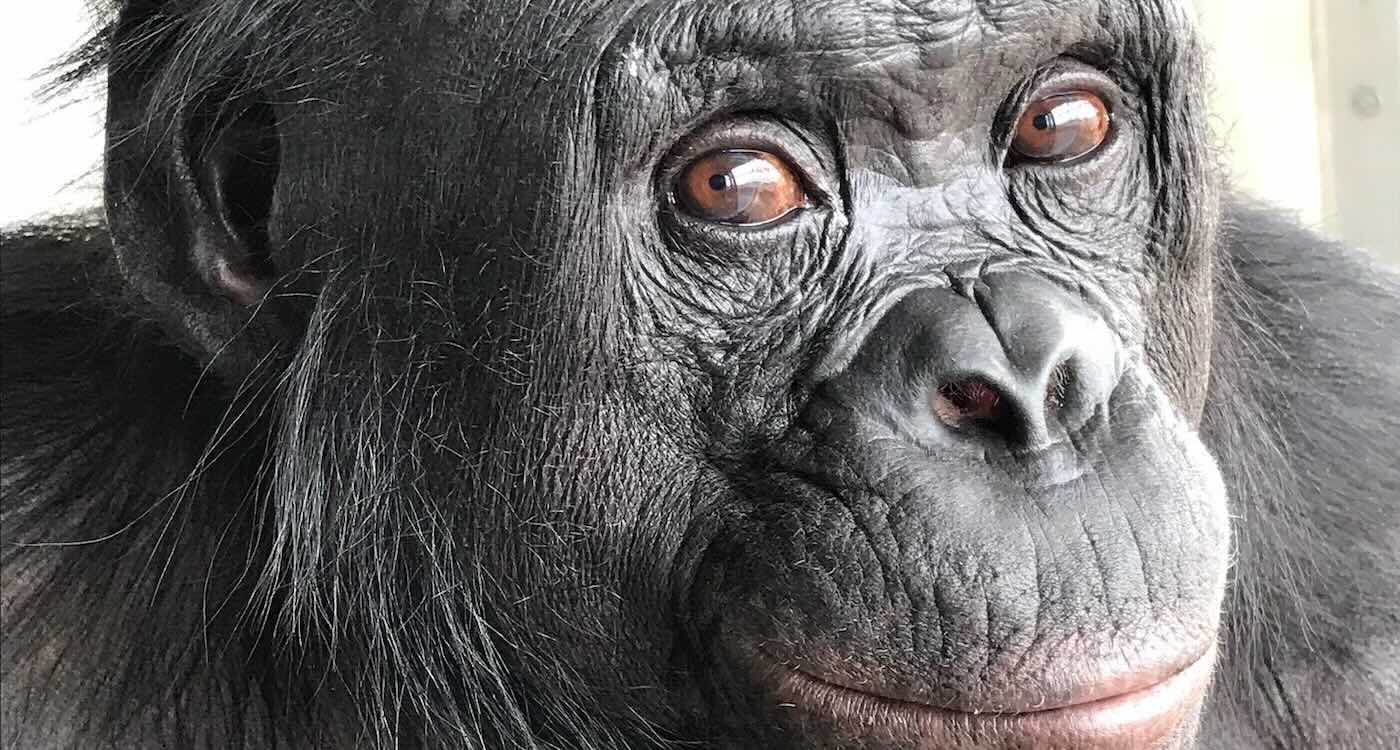
In a groundbreaking study from Johns Hopkins University, researchers have revealed that certain apes possess the ability to engage in imaginative play, traditionally considered a uniquely human trait. This research indicates that the capacity for pretense is not exclusive to humans, fundamentally challenging our understanding of animal cognition.
The Tea Party Experiments
Researchers conducted a series of creative tea party experiments to assess this ability in apes, particularly focusing on Kanzi, a 43-year-old bonobo. The study involved testing Kanzi's responses to pretend scenarios involving imaginary juice and grapes. Remarkably, Kanzi demonstrated an understanding of these fictitious elements, accurately indicating the locations of the pretend items even when faced with real objects.
Implications for Understanding Animal Cognition
Dr. Christopher Krupenye, a co-author of the study, emphasized the significance of this finding, noting that the ability to engage in pretense might date back six to nine million years, reflecting a shared cognitive heritage between humans and our closest evolutionary relatives. He argued that this insight invites us to reconsider what it means to be human and challenges the perception that other animals lead simplistic, present-focused lives.
Looking Ahead: Exploring Imagination in Other Animals
The research team aims to further investigate whether this capacity for pretend play exists in other species. They also intend to explore the potential for future-thinking and attributing mental states to others in apes. These findings encourage a deeper appreciation of the mental lives of these creatures and advocate for their conservation, as they possess rich cognitive capabilities worthy of protection.
As we stand on the cusp of understanding animal intelligence better, this study offers a promising glimpse into the complexities of animal minds and highlights the shared elements of cognition across species. It serves as a reminder of the intricate connections in the animal kingdom and the importance of ensuring their survival in the wild.

