Revolutionary CRISPR Treatment Offers Hope for Rare Genetic Disorder
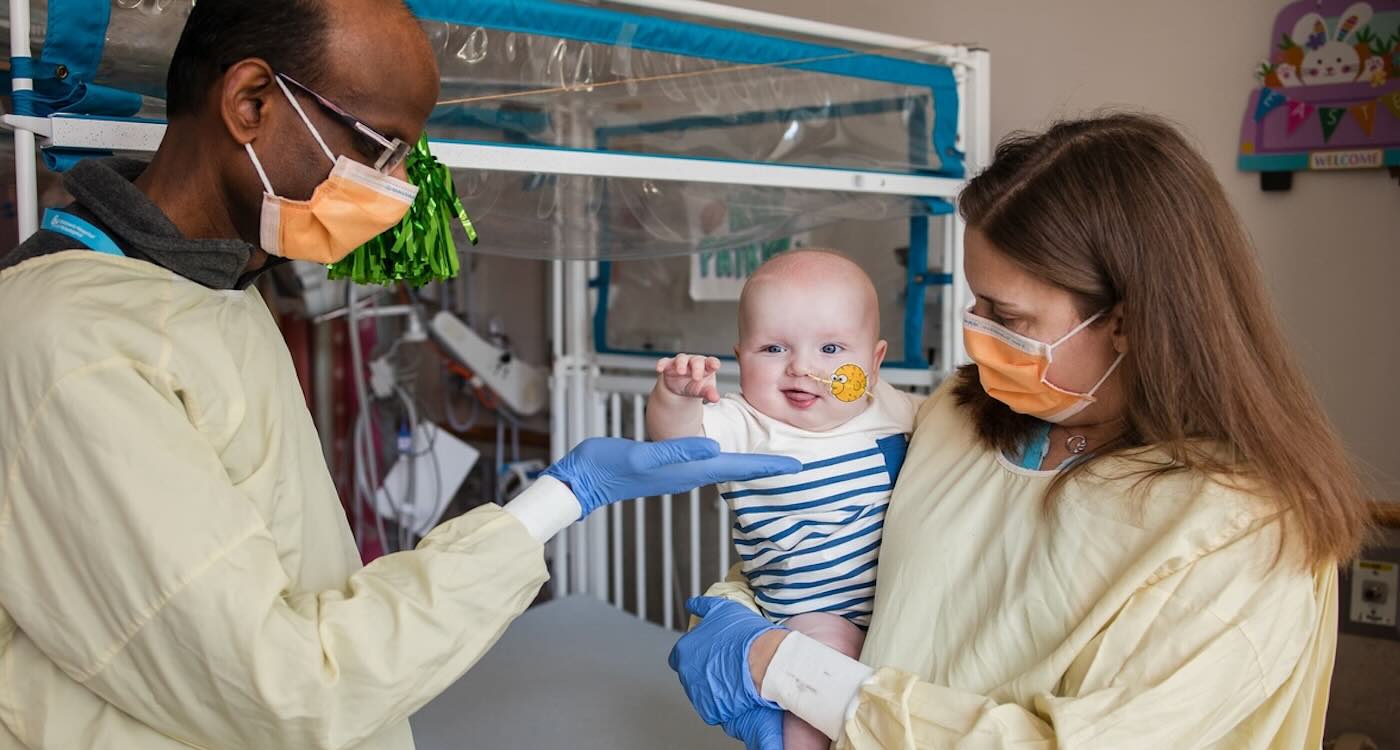
A remarkable breakthrough in gene therapy has been achieved at the Children's Hospital of Philadelphia (CHOP), where scientists have successfully utilized CRISPR technology to develop a genetic therapy for a child born with a rare metabolic disorder. This promising advancement could pave the way for similar treatments for countless children suffering from genetic disorders worldwide.
The Case of KJ: A Journey Towards Healing
Newborn KJ, who was born in Pennsylvania, faced critical health risks due to severe carbamoyl phosphate synthetase 1 (CPS1) deficiency, a disorder that prevents the conversion of ammonia to urea, potentially leading to fatal brain or liver damage. KJ's parents, Nicole and Kyle Muldoon, took a leap of faith by trusting doctors Rebecca Ahrens-Nicklas and Kiran Musunru to create a custom CRISPR-based treatment aimed at correcting the faulty gene responsible for KJ's condition.
The Pioneering Work Behind the Treatment
Dr. Ahrens-Nicklas and Dr. Musunru have spent years perfecting gene editing techniques tailored to specific genetic mutations. Their efforts culminated in a tailored treatment for KJ that involved a series of infusions designed to correct the genetic defect. Within just six months of receiving this innovative therapy, KJ had experienced significant health improvements, including the ability to reduce his reliance on medications and reintroduce proteins into his diet.
Looking Ahead: A Future of Possibilities
With KJ's successful treatment, experts express hope that this methodology could benefit many more children facing similar genetic challenges. “While KJ is just one patient, we hope he is the first of many to benefit,” remarked Dr. Ahrens-Nicklas. The team's work represents not just a personal victory for KJ and his family, but also a monumental step forward in the field of genetic medicine, demonstrating the potential for CRISPR technology to address extremely rare diseases.
KJ's journey serves as a testament to the relentless pursuit of scientific advancements that can redefine healthcare and improve lives. As research continues, families affected by genetic disorders can find renewed hope for effective treatments in the near future.

