Revolutionary Cardiac Care: McKinney Becomes a Pioneer in Saving Lives
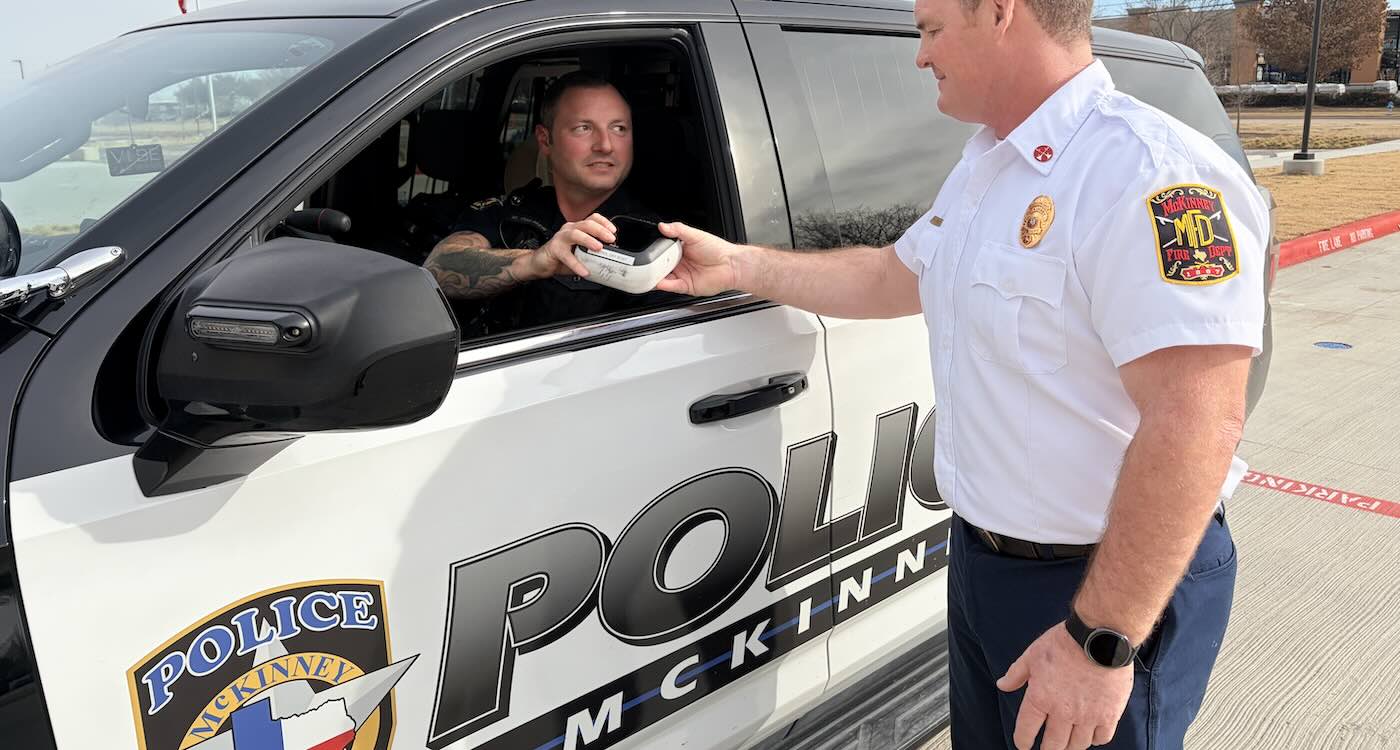
In an inspiring turnaround, McKinney, Texas, has dramatically improved its cardiac arrest survival rates over the past two years, rising from a mere 10 percent to an impressive 47 percent. This remarkable achievement is the outcome of a collaborative effort between the McKinney Fire Department, Police Department, and the local community.
Innovative Approach to Emergency Response
The journey toward enhanced survival rates began when Fire Battalion Chief Ben Jones initiated a training program at Seattle's Resuscitation Academy. By adopting key elements of the “chain of survival,” including rapid recognition, immediate CPR, fast AED access, and quick patient transport, McKinney has positioned itself as a national leader in cardiac emergency response.
AEDs Within Reach: The Neighborhood Heroes Initiative
To take their life-saving mission further, McKinney is introducing the “Neighborhood Heroes” campaign, which will deploy 200 automated external defibrillators (AEDs) across the city. This initiative aims to ensure that every resident is never more than four minutes away from an AED during a cardiac event, a goal that places McKinney in the running to be one of the nation’s first “4-Minute Cities.”
A Community United
This program has not only transformed survival statistics but has also sparked a shift in mentality among local law enforcement. Many officers who were initially skeptical have embraced this life-saving initiative, actively participating in saving lives. The friendly competition between fire and police teams has fostered a culture of commitment and engagement in emergency response efforts.
Recognizing Excellence: A Model for the Nation
The success of McKinney’s efforts has gained national recognition, with the American Heart Association spotlighting their “4-Minute City” model during Heart Health Month. Officials are hopeful that other cities will follow suit and adopt similar strategies to enhance public health outcomes.
As McKinney continues to set the standard for emergency response, its innovative approach offers valuable lessons in community involvement and proactive health measures. This story serves as a beacon of hope, illustrating how collaboration and commitment can lead to extraordinary improvements in public health.

