Revolutionary Breakthrough in Trauma Treatment: Tetris as a Healing Tool
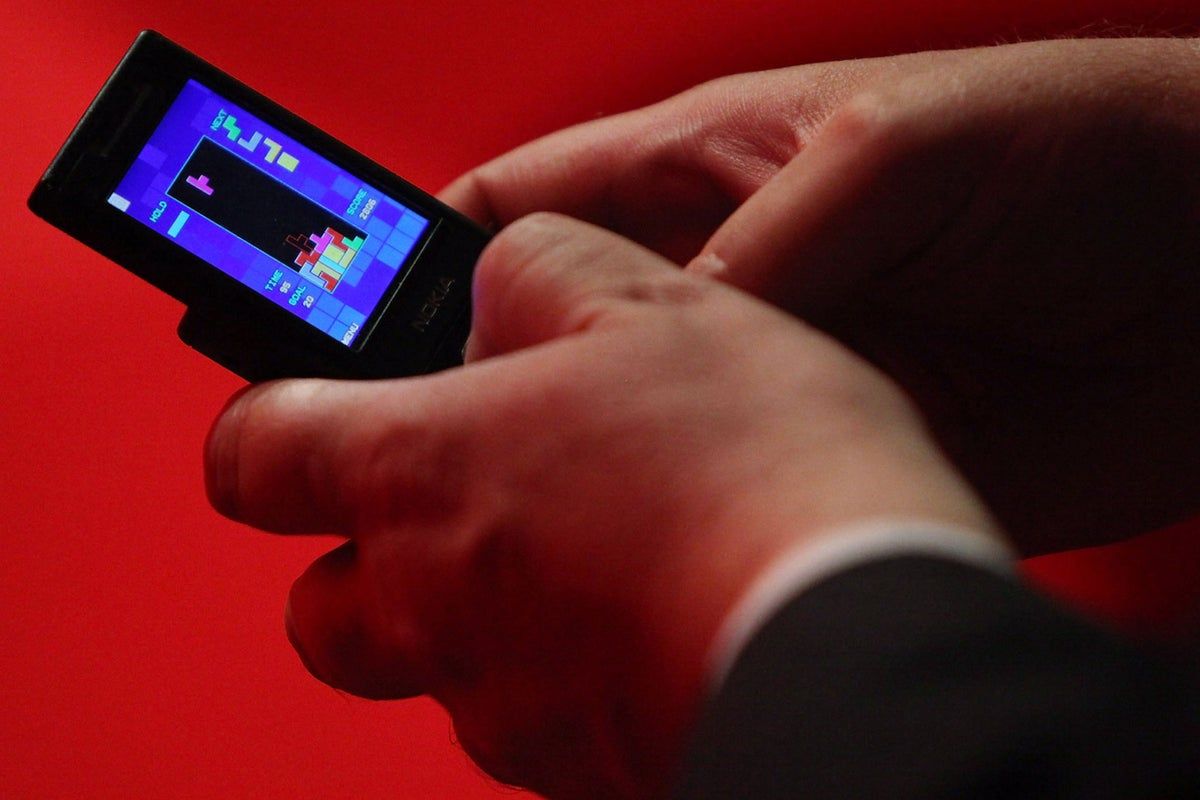
In a pioneering study, researchers have unveiled a potential breakthrough in mental health treatment using the classic video game Tetris. The findings indicate that playing Tetris may serve as an innovative method to alleviate distressing memories associated with trauma, particularly for health workers who have faced significant challenges during the Covid-19 pandemic.
Significant Reduction in Flashbacks
The study, a collaboration between UK and Swedish researchers, included 99 NHS staff members who were exposed to traumatic experiences, such as witnessing death. Out of these, 40 participants engaged with an intervention known as imagery competing task intervention (ICTI), which involved playing a slow-paced version of Tetris. Remarkably, those who participated in this treatment experienced a tenfold reduction in flashbacks within just four weeks compared to their peers in other treatment groups.
A Simple Yet Effective Approach
During the intervention, individuals were instructed to recall a traumatic memory briefly before focusing on the Tetris grid and its falling blocks. This method is believed to disrupt the brain's visuospatial areas, diminishing the vividness of distressing memories. Professor Emily Holmes, who led the study, highlighted the significance of this intervention, stating that even fleeting intrusive memories can heavily influence daily life.
Implications for Healthcare Professionals
With healthcare workers regularly exposed to traumatic events, the discovery of this accessible, scalable, and adaptable digital intervention is particularly promising. Charlotte Summers, director of the Victor Phillip Dahdaleh Heart & Lung Research Institute, emphasized the potential of such treatments to enhance the mental wellbeing of healthcare professionals who care for others while dealing with their own trauma.
Future Research and Opportunities
The research team is now investigating the ICTI method's applicability to larger and more diverse populations, hoping to make it a standard tool for those grappling with trauma. Tayla McCloud, research lead for digital mental health at Wellcome, expressed hope that further trials could demonstrate even broader impacts, emphasizing the importance of accessible and effective mental health interventions.
This study represents a significant step towards integrating innovative and engaging methods in mental health treatment, offering a beacon of hope for many who struggle with the aftermath of trauma.

