Revolutionary Advances: HDD Reliability on the Rise Amid AI Demand
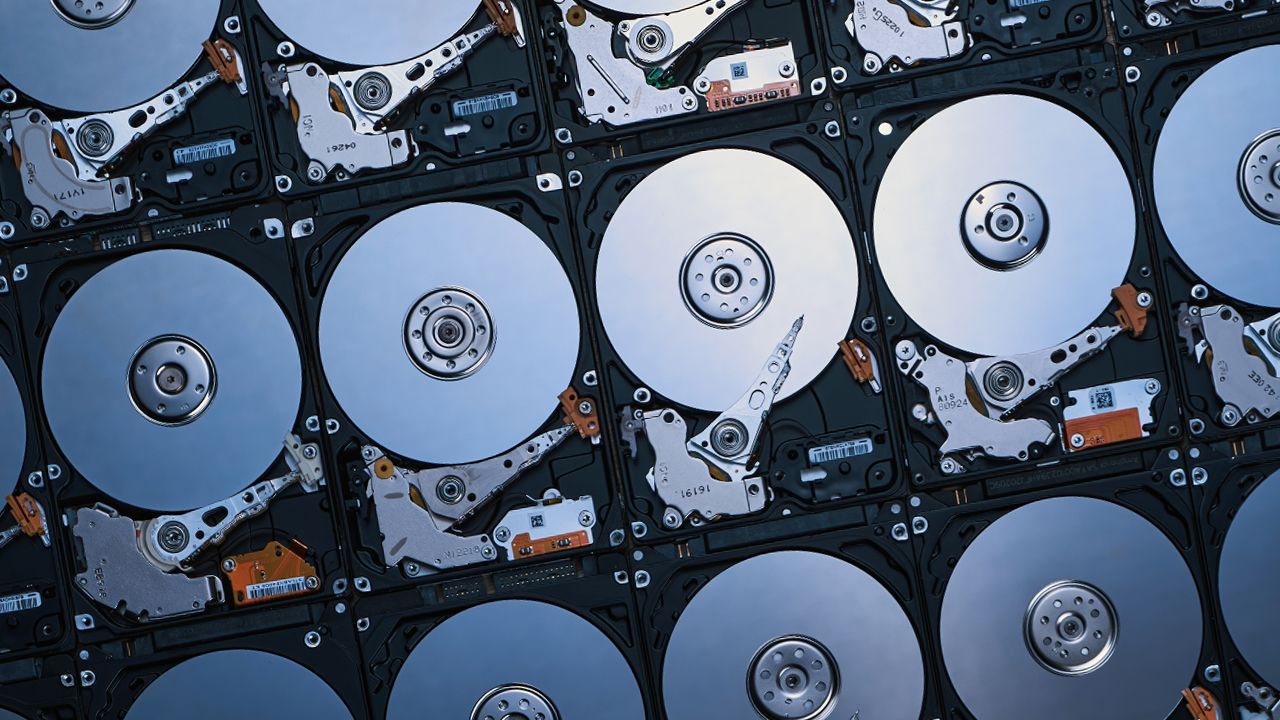
In a recent report released by Backblaze, the reliability of traditional hard disk drives (HDDs) has shown significant improvement, with an overall failure rate dropping to 1.36% for 2025, down from 1.55% in 2024. This encouraging trend suggests that the technology behind HDDs is gradually enhancing their performance and longevity, despite the overwhelming shift towards solid-state drives (SSDs).
Positive Trends in HDD Technology
The report analyzed a staggering 344,196 hard drives from major manufacturers including Western Digital (WD), HGST, Toshiba, and Seagate. The improvement indicates that older HDD technology may still have a viable place in the market, particularly as SSD prices continue to escalate.
Implications of Increased Reliability
With HDDs demonstrating increased reliability, manufacturers may attract consumers who view them as a cost-effective alternative amidst rising SSD prices. This could lead to a reevaluation of HDD utility for various uses, particularly in environments demanding durable storage solutions, such as cloud servers.
Increased Demand Driven by AI
However, this positive trend comes with a caveat. Western Digital CEO Irving Tan recently disclosed that the company is effectively sold out of HDDs for 2026, primarily due to significant demand from AI server farms. Major tech companies are increasingly relying on HDD technology, with much of WD's production capacity for the coming years allocated to just a handful of clients, underscoring the growing dependence on HDDs in the expanding AI sector.
The combination of enhanced reliability and rising demand creates a complex landscape for HDDs in the storage market. As consumers and businesses navigate these changes, HDDs may yet demonstrated renewed relevance alongside their flash-based counterparts, presenting opportunities for innovation and growth in a competitive environment.

