Revitalizing the Twin Cities Light-Rail: A Journey Back to Safety and Comfort
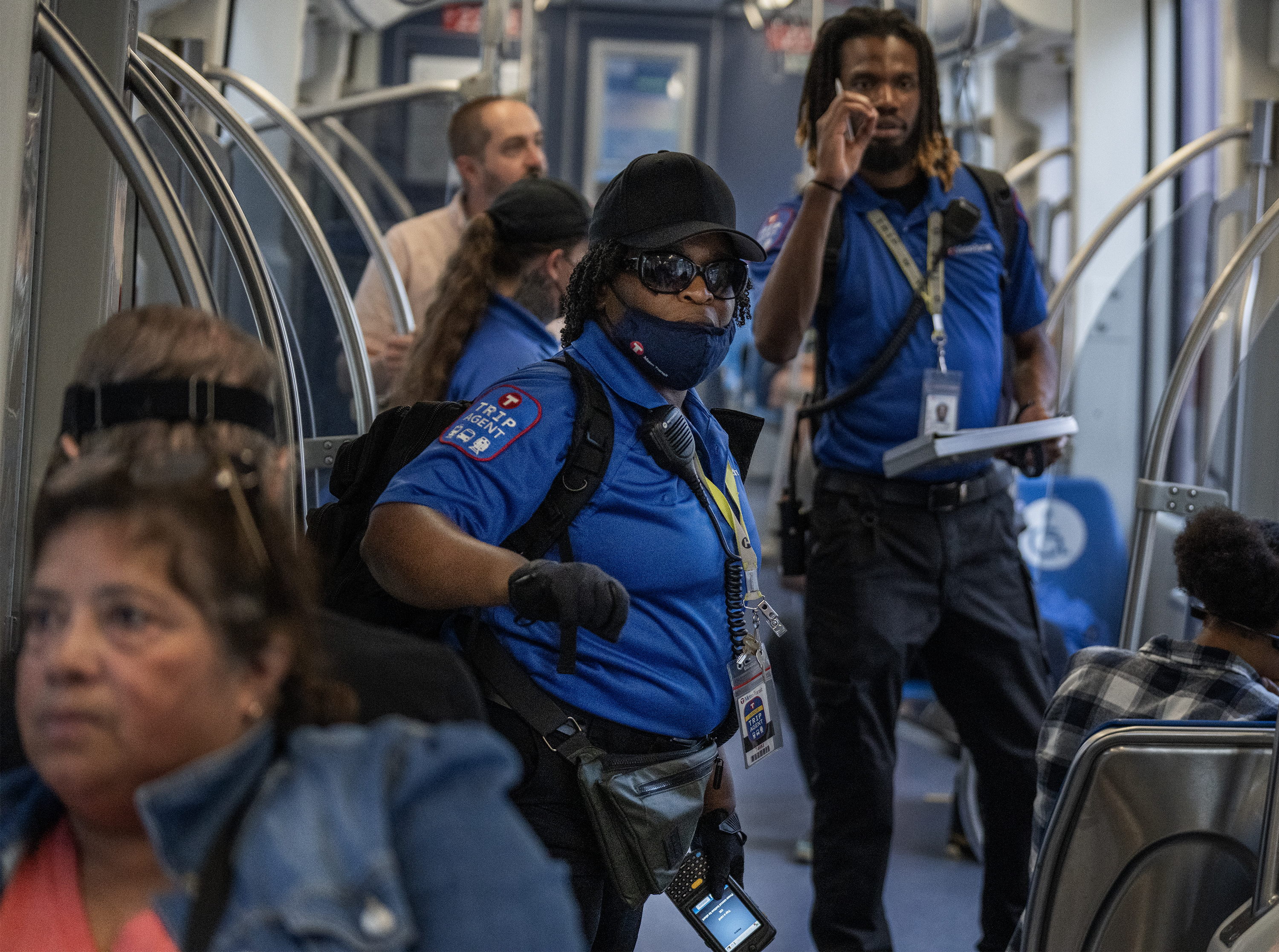
The Twin Cities are witnessing a commendable turnaround in their light-rail system, a sector that faced years of challenges due to safety concerns and declining ridership. Recent initiatives by Metro Transit reveal a brighter path forward, showcasing significant improvements aimed at restoring public confidence in the system.
Increased Safety through Enhanced Presence
Metro Transit has made substantial investments to increase safety on light-rail trains, primarily through the hiring of additional personnel. The presence of TRIP (Transit Rider Investment Program) agents and private security staff has notably increased—now, around 140 individuals are actively monitoring the trains, with plans to expand this force to 215 by year-end.
This move has led to visible improvements: reports indicate that riders feeling safe during their commutes have increased by approximately 8% for two consecutive years. Although this figure still leaves much room for growth, it marks a pivotal step in the right direction. Metro Transit General Manager Lesley Kandaras acknowledges that while immediate results may be elusive, the focus on safety is a long-term endeavor.
Successful Control of Problematic Behavior
Alongside increased personnel, the agency has heightened enforcement against negative behaviors such as smoking on trains. Smoking citations have risen dramatically, showcasing a proactive approach to maintaining cleanliness and decorum on the light rail. Last year alone, citations surged more than sevenfold to over 1,700. This aggressive stance reinforces the message that unacceptable behavior will not be tolerated.
The introduction of a dedicated homeless action team and plans to provide mental health crisis services further enhance the supportive measures being taken to improve the commuter experience.
Community Collaboration and Investment
Unlike many transit agencies facing budget cuts due to the pandemic, Minnesota embraces a proactive strategy that includes increasing taxes to bolster local transit services. The implementation of a 0.75% metro-wide sales tax aimed at transit infrastructure improvements exemplifies this commitment to enhancing the rider experience.
Metro Transit is also doubling down on maintenance staffing levels to ensure consistent upkeep of transit facilities, thereby fostering an environment that encourages return ridership.
As urban areas grapple with perceptions of decay and dysfunction, the steps taken by the Twin Cities’ transportation authorities indicate a decisive effort to reverse these narratives. With increased visibility and accountability, there is hope that former and prospective riders will once again embrace the light-rail system as a safe and efficient means of transportation.

