Remarkable Comeback: Older Male Humpback Whales Thrive in New Breeding Dynamics
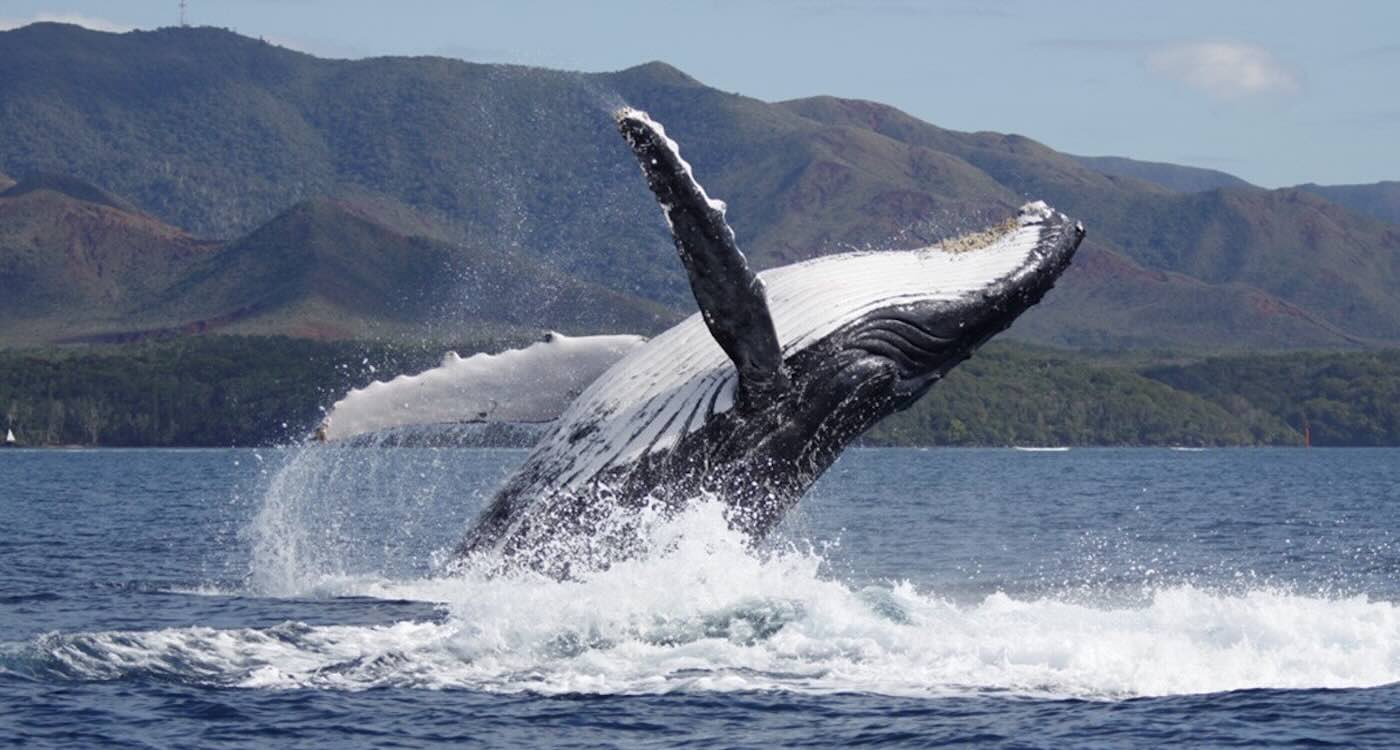
Recent research has unveiled fascinating insights into the mating success of older male humpback whales, suggesting that their impressive singing abilities may give them an edge over younger rivals. As these majestic creatures recover from the impact of historical whaling, the dynamics of whale reproduction are changing significantly.
The Rise of Experienced Males
This groundbreaking study, conducted by the Sea Mammal Research Unit at the University of St. Andrews, indicates that older singing whales are increasingly successful in producing offspring. The findings suggest that, as the populations of humpback whales grow, females may have become more selective, favoring older males who exhibit superior traits and performance during mating displays.
Insights from Two Decades of Research
Over the course of two decades, the researchers analyzed data on humpback whales in New Caledonia, uncovering a shift in the age structure of the population. Initially dominated by younger males, the recovery of the humpback whale population has now resulted in a higher prevalence of older males, who are showing a notable increase in their ability to sire calves.
The Science Behind the Songs
Humpback whales are renowned for their complex vocalizations, which play a crucial role in attracting mates. The new research highlights not only the increase in the number of songs being produced but also the evolving competition among males as they navigate their breeding success. With new technologies enabling enhanced genetic analysis, researchers have been able to track paternity and understand the intricate social structures among whales.
Conclusion: A New Era for Whale Populations
As whale populations continue to recover from the devastating effects of whaling, the implications for their behavior and reproductive strategies have become clearer. Dr. Ellen Garland emphasizes the incredible transformation occurring among older males and the potential for further discoveries as ecosystems stabilize and evolve. The ongoing research serves as a reminder of the resilience of nature and the importance of conservation efforts to ensure the survival of these majestic creatures for generations to come.

