Rediscovering Joy in Caregiving: The Hidden Benefits of Multigenerational Support
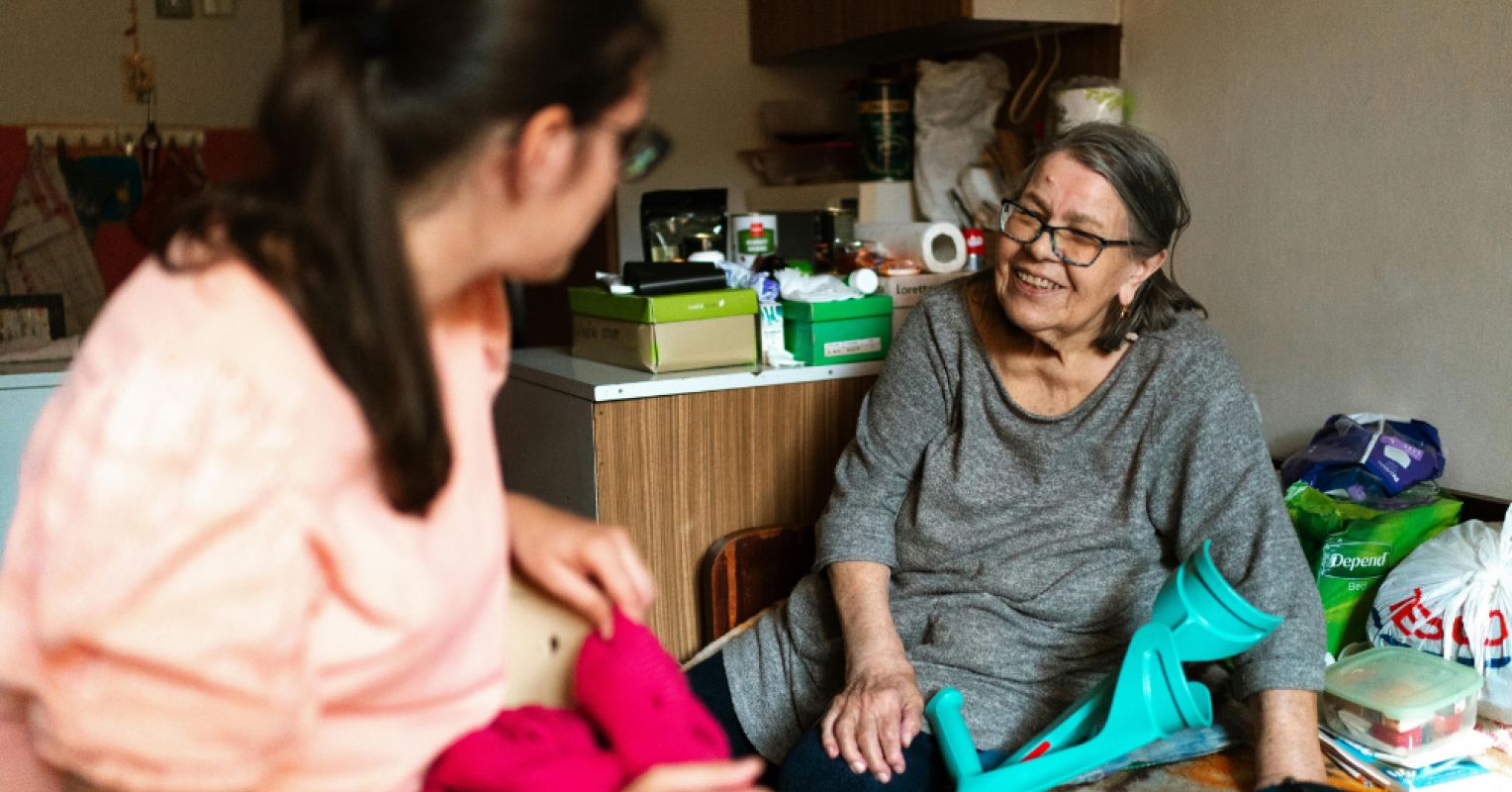
The notion of the "sandwich generation" has evolved significantly since its inception in 1981. Today, many individuals find themselves balancing the responsibilities of caring for young children alongside aging parents, and often even grandparents. Despite the pressures associated with these multifaceted roles, new insights shed light on a positive narrative: caregiving can be profoundly enriching for all generations involved.
The Unexpected Advantages of Caregiving
Research indicates that the demands of caretaking may not have the negative health impacts one might assume. Many caregivers report that their experiences, while filled with challenges, also bring significant rewards. Indeed, they often describe a sense of purpose and fulfillment that enhances their overall psychological well-being. This suggests that, despite caretaker fatigue and financial stress, the act of giving care can foster a sense of community and togetherness that ultimately nurtures bonds among family members.
Fostering Relationships Across Generations
One effective way to navigate the intricacies of multi-generational caregiving is to engage children in the process. By allowing them to participate in caring for elderly relatives, children not only learn valuable life skills but also develop empathy and altruism. Activities such as preparing care packages or sharing stories can forge meaningful connections. Reassuring younger family members that their time and attention towards grandparents is equally important helps instill a sense of shared responsibility and love.
Creating Lasting Memories
Encouraging intergenerational interactions can lead to wonderful shared experiences that benefit both the young and old. Children can conduct interviews, learn about family history, and even share creative projects with their grandparents. These moments enrich family narratives, bolster self-esteem, and foster a deepened understanding of family heritage. Such activities not only offer children joy and fulfillment but also provide elderly relatives with a renewed sense of vitality and purpose.
As society continues to redefine roles within families, it is essential to highlight the positives within these caregiving dynamics. By focusing on the opportunities for growth, connection, and mutual support, we can transform the perceived burdens of caregiving into a source of joy that benefits everyone involved.

