Rare Butterfly Egg Population Surges Thanks to Conservation Efforts
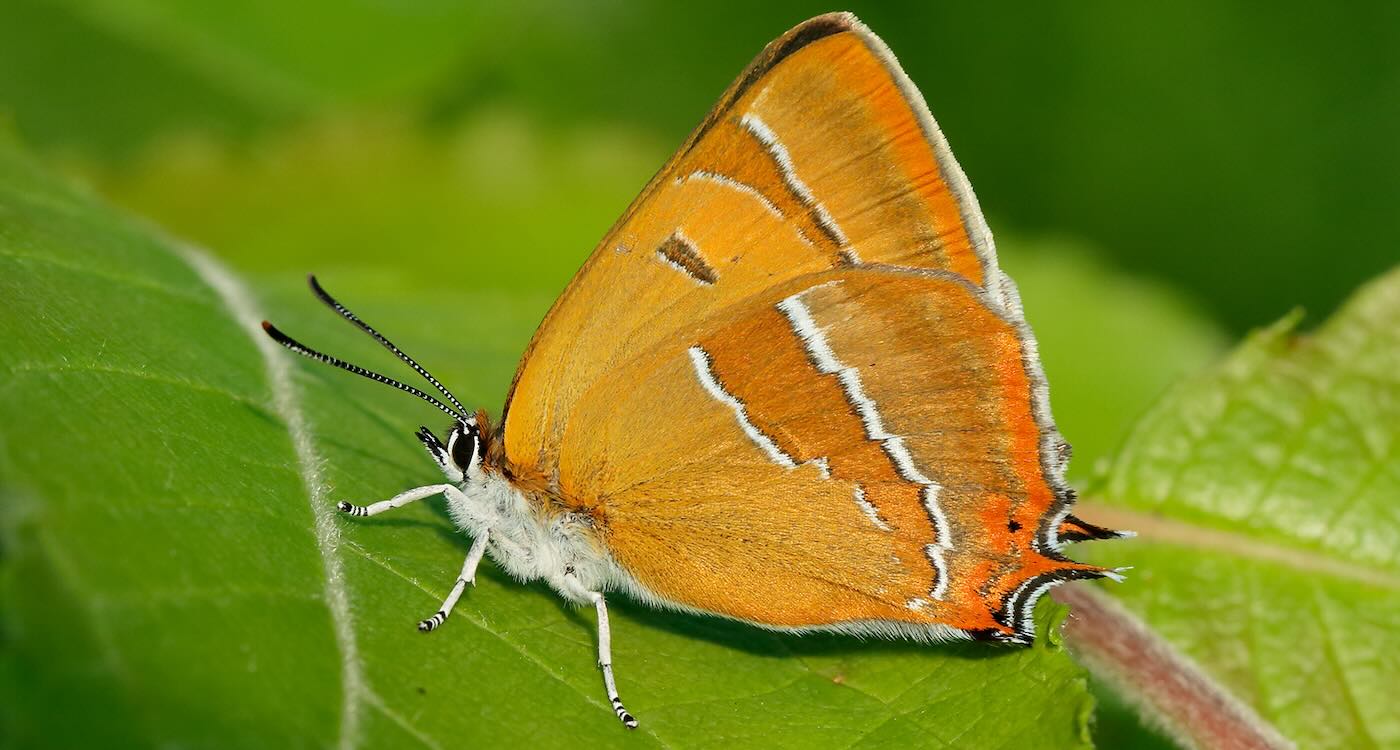
In an uplifting twist for wildlife enthusiasts, the number of rare Brown Hairstreak butterfly eggs has seen a remarkable surge in South Wales, thanks to the dedication of landowners and volunteers. Record tallies of these butterfly eggs have been reported in the Carmarthenshire region, signaling a promising recovery for a species that faced dramatic decline over the years.
A Decade of Hard Work Pays Off
Richard Smith, a dedicated volunteer with Butterfly Conservation for over 30 years, expressed optimism following the encouraging news, stating, “After a decade of heartache for Brown Hairstreaks in Carmarthenshire’s Tywi valley, there is at last signs of an upturn.” The recent surge is attributed to a successful partnership between two organizations, the National Trust at Dinefwr and the South Wales Trunk Road Agency, which took significant steps to protect the butterfly's habitat by reducing the frequency of hedgerow flailing.
The Importance of Hedgerows
Historically abundant, the Brown Hairstreak butterfly population faced sharp declines due to landowners cutting back their preferred shrubbery. Young shoots of the blackthorn bush, essential for egg-laying, were often destroyed during these cuts. However, after identifying a remnant population in 2021, conservation efforts were intensified, leading to substantial improvements in the egg counts on protected lands.
A Model for Future Conservation
According to Dan Hoare, Director of Nature Recovery for Butterfly Conservation, simple adjustments in how hedgerows are managed can significantly impact wildlife preservation. “If hedgerows are only trimmed once every two years, or even every three years, it could make an enormous difference to the survival of the Brown Hairstreak,” he stated. This thoughtful approach can not only benefit the butterflies but also support a range of other species, showcasing the interconnection of nature.
The success of these conservation efforts serves as a beacon of hope, illustrating how collaboration and thoughtful management of natural resources can lead to the resurgence of endangered species. Moving forward, the hope remains that more landowners will embrace these practices, fostering a richer and more diverse ecosystem for future generations.

