Positive Trends in American Education: Is Hope on the Horizon?
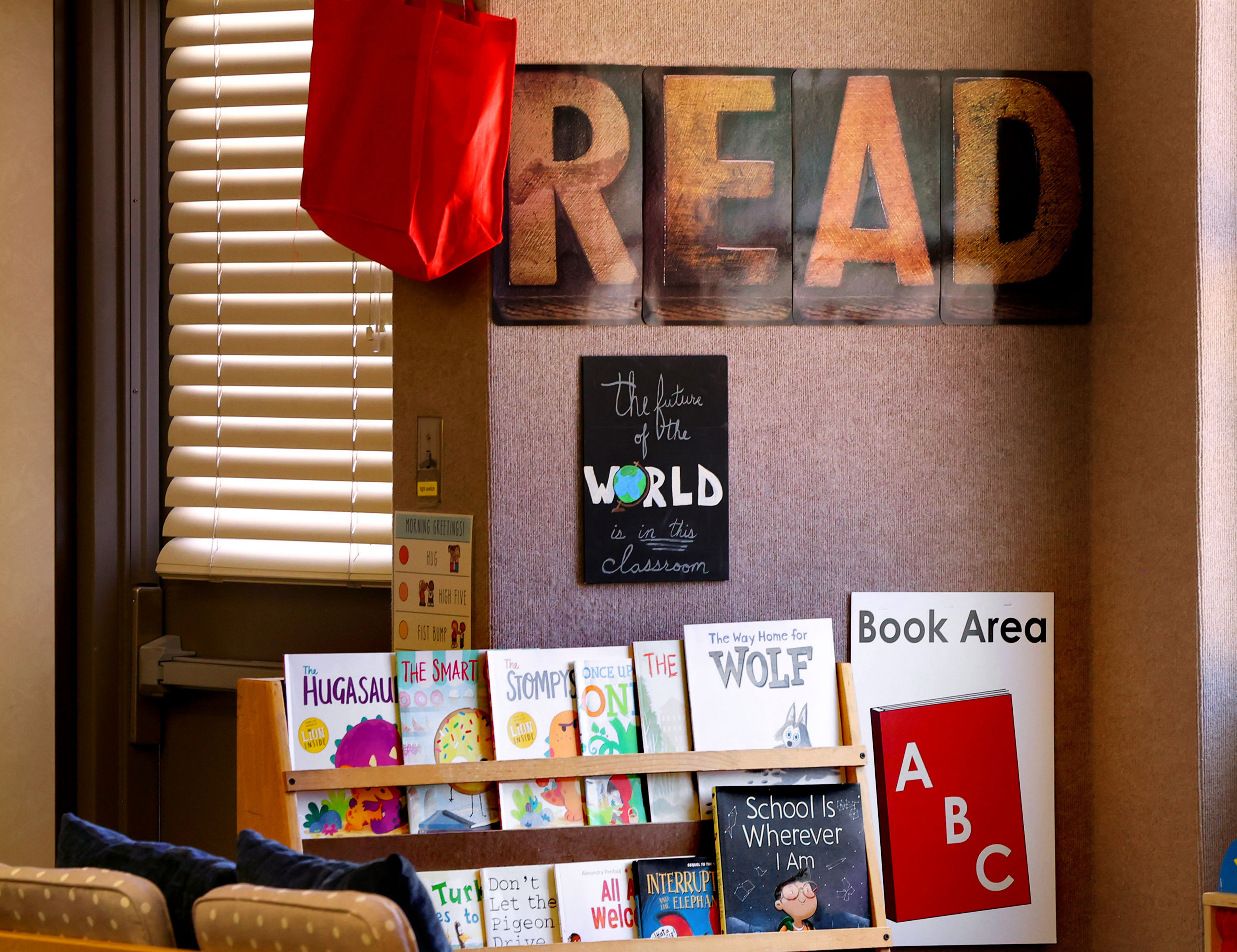
As concerns about educational performance have surged in recent years, particularly among American children affected by the pandemic, new reports from the National Center for Education Statistics (NCES) bring some encouraging news. The long-term trend results reveal an increase in average reading and math scores for American 9-year-olds from 2022 to 2025, especially among lower-performing students. This uplifting development could signal a gradual recovery in educational standards as the nation navigates the post-pandemic landscape.
Significant Improvements Among Younger Students
According to NCES Acting Commissioner Matthew Soldner, the latest data reflects a meaningful growth trajectory for 9-year-old students in both reading and math. Notably, the percentage of these students performing at or above "Level 200"—a fundamental benchmark indicating proficiency—has risen considerably. In reading, 71% of 9-year-olds achieved this level in 2025, compared to 67% in 2022, marking a notable recovery from historic lows. Likewise, 84% performed at Level 200 in math, up from 80% in the previous assessment, demonstrating essential foundational skills that are critical as they progress through their education.
Encouraging Data Trails in Mathematics
The 2025 report indicates that many 9-year-olds have improved in their ability to perform basic mathematical operations, a vital skill that not only applies to academic success but also prepares them for everyday problem-solving. Students at Level 200 can add two-digit numbers and are beginning to grasp multiplication and division, which bodes well for future performance as they advance in their studies.
However, while the prospects for younger students show promise, it is important to note that there remains significant room for improvement for older age groups, specifically 13-year-olds, who did not exhibit progress in their reading and math scores. These trends highlight the need for targeted strategies to support these adolescents and help them re-engage with their learning.
State-Level Support and Initiatives
On the ground, states like Utah are actively responding to these educational trends. Recent initiatives by the Utah State Board of Education focus on addressing reading proficiency, especially as reports indicate some declines within older grades. The commitment to improve education in Utah is underscored by legislative actions that call for early literacy interventions and measure improvements through direct engagement with schools, educators, and students. This holistic approach aims to unite communities in their efforts to uplift literacy standards, ensuring all students have the resources they need to succeed.
With such promising data at hand, the path ahead suggests potential growth and recovery in the education sector, showcasing a commitment to nurturing the next generation as they encounter an increasing and complex world. As initiatives at both state and national levels continue to evolve, there is indeed hope that the progress made among younger students will ripple through to older grades, cultivating a brighter future for American students.

