Positive Changes in Twin Cities' Light Rail System Spark Hope for Commuters
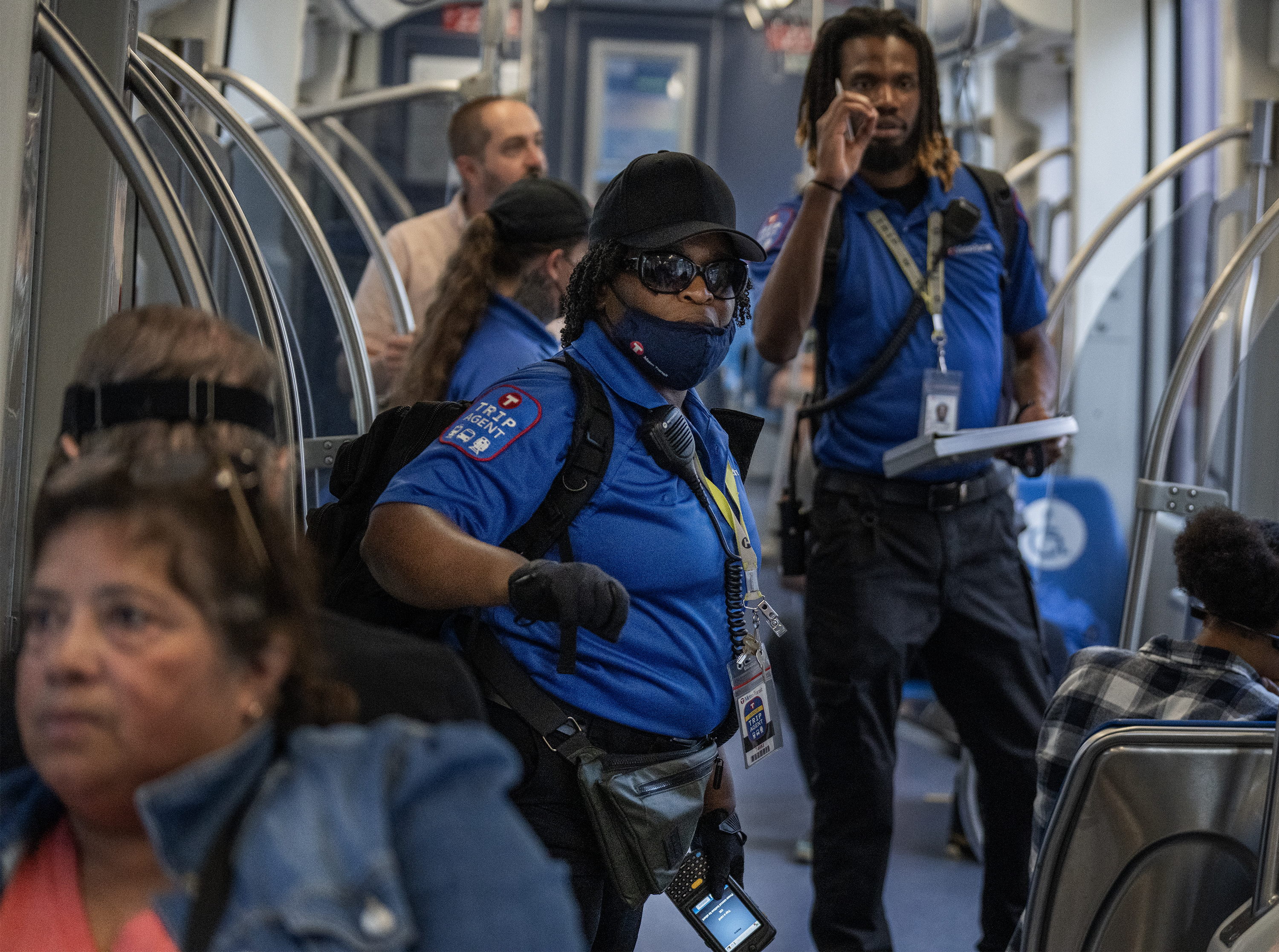
As urban environments grapple with various challenges, it is crucial to recognize the positive strides being made in public transit systems. In the Twin Cities, a new commitment by Metro Transit is bringing renewed safety and order to the light-rail system, a change that could encourage former riders to return.
Investments Leading to Improved Safety
Metro Transit has significantly increased its presence on trains and at stations, which is making a noticeable difference in passenger experience. The agency has expanded the number of Transit Rider Investment Program (TRIP) agents on the light rail, now totaling about 140, with plans to reach 215 by the end of the year. This has allowed for a more proactive approach in addressing passenger behavior and safety concerns.
Encouraging Signs of Recovery
Recent data indicates that the perception of safety among riders has improved, with an 8% rise in the number of passengers feeling secure while using the light rail. While this figure still leaves room for growth, it marks a step in the right direction. Metro Transit General Manager Lesley Kandaras emphasized the agency’s long-term commitment to improving ridership and safety, aiming to change the way transit is perceived overall.
Addressing Problematic Behavior
One of the significant issues plaguing the rail system has been problematic passenger behavior, particularly smoking, which has seen a remarkable increase in citations over the past few years. With the enforcement of new regulations and a larger security presence, Metro Transit has shown that it is serious about creating a safe and pleasant commuting environment for everyone.
A Community-Centric Approach to Transit
In a refreshing turn, Minnesota's legislative efforts to impose a new sales tax for transit improvements have provided the necessary funding for these initiatives. This financial boost has also allowed for more maintenance and repair staff to be onboarded, demonstrating a commitment to infrastructure alongside safety. The comprehensive measures being put in place show a roadmap for how public transit can evolve positively in response to community needs.
As the Twin Cities' light-rail system undergoes this transformation, it serves as an inspiring example for other urban centers to follow. With ongoing improvements and a dedicated workforce, there is hope that more riders will feel encouraged to use the light rail once again, transforming perceptions and enhancing the urban experience.

