Polar Bears Defy Expectations: A Surprising Health Comeback in a Warming World
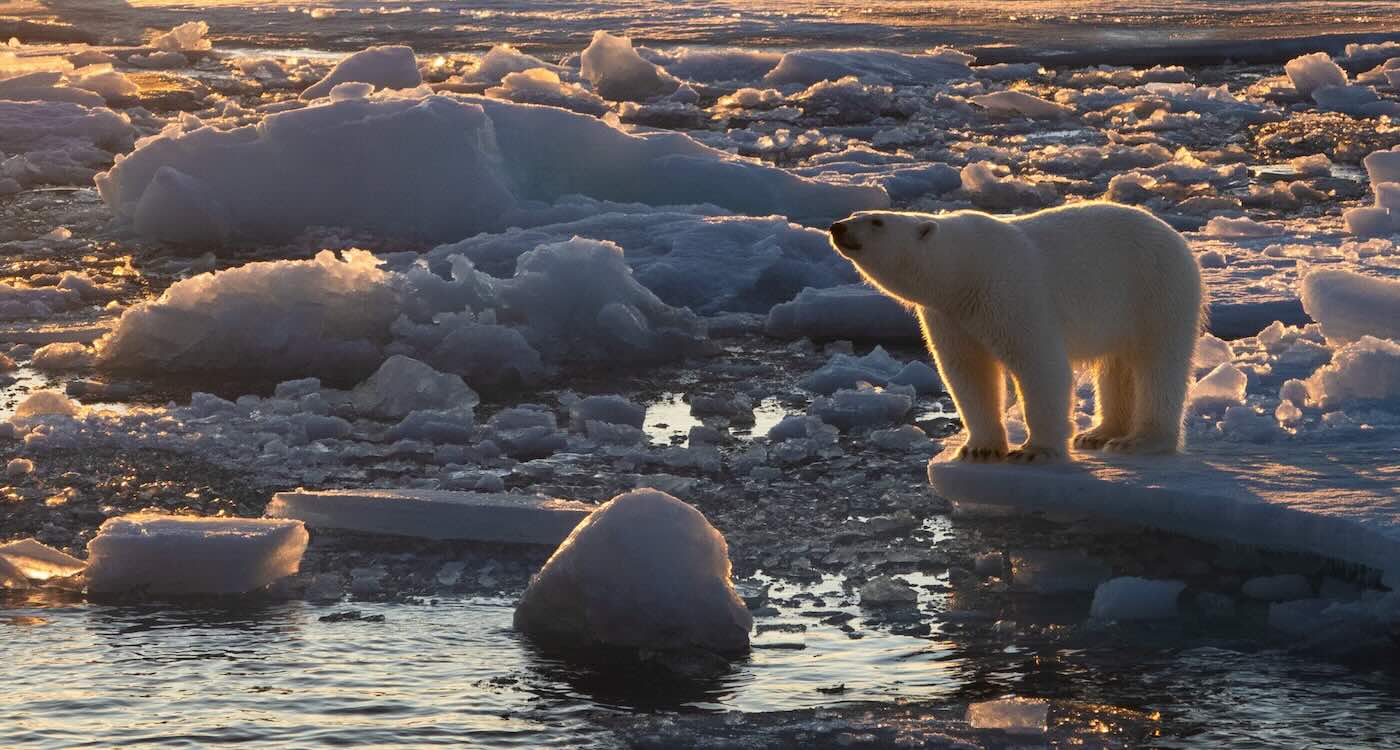
Recent research offers a glimmer of hope for polar bears amid the ongoing challenges posed by climate change. Studies conducted around the Norwegian island of Svalbard reveal that these majestic creatures are in significantly better physical health than they were 25 years ago, despite diminishing sea ice across the Arctic.
A Positive Shift in Polar Bear Well-being
The findings, published in the journal Scientific Reports, highlight a surprising increase in the fat reserves of polar bears since the year 2000. This contrasts sharply with previous assessments, which indicated a steady decline in polar bear populations throughout the Arctic region. Researchers initially expected that as sea ice continued to recede, the physical health of polar bears would deteriorate. Instead, they discovered the opposite effect—better opportunities for hunting have likely led to improved health for bears in Svalbard.
Understanding the Research
Dr. Jon Aars, a senior scientist at the Norwegian Polar Institute, led a study involving 1,188 body measurements from 770 adult polar bears taken between 1992 and 2019. By analyzing the bears' body composition index (BCI)—a critical indicator of fat reserves—researchers found that, despite an increase of around 100 ice-free days over the studied period, the mean BCI of these bears actually rose after 2000.
The Role of Prey Recovery
This encouraging trend may be linked to the recovery of land-based prey populations, such as reindeer and walrus, which had previously been over-exploited. Additionally, as sea ice diminishes, prey like ringed seals may be congregating more in concentrated areas, thereby allowing polar bears to hunt more efficiently. This insight offers a nuanced view of polar bear adaptation in an era of changing environmental conditions.
Future Considerations
While this research brings positive news about the Svalbard polar bear population, experts warn that ongoing climate change poses significant risks. Dr. Aars noted that further reductions in sea ice could lead to increased travel distances for bears seeking hunting grounds, potentially jeopardizing their health and survival in the long run. Continued research will be vital to understand how various polar bear populations adapt as climate conditions evolve.
Ultimately, this study not only sheds light on the resilience of polar bears but also emphasizes the importance of conservation efforts and understanding ecological dynamics in a warming world. The journey of these iconic mammals continues to unfold, and there is still much to learn about their future.

