Norway's Acquisition of Type 26 Frigates: A Strategic Boost for NATO
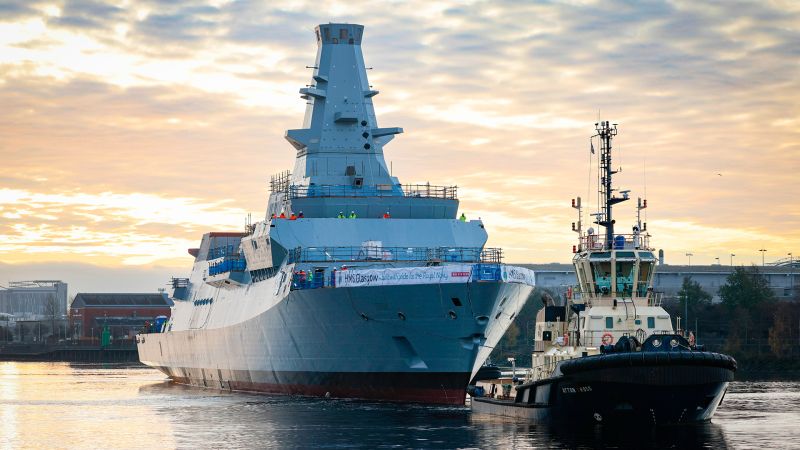
The recent transfer of build slots for the advanced Type 26 frigates from the UK to Norway is being hailed as a significant development for NATO. This news, confirmed by Defence Readiness and Industry Minister Luke Pollard, has garnered a positive outlook from experts who see it as an opportunity for enhanced military collaboration and readiness in the North Atlantic.
Strengthening NATO Alliances
Former Royal Navy commodore and Defence expert, Steve Prest, emphasized that the arrangement, while potentially delaying the Royal Navy's schedule, ultimately serves a greater strategic purpose by enabling the timely deployment of these advanced vessels to strengthen NATO's operational capabilities. Prest highlighted that accelerating the delivery of Type 26 frigates to the Royal Norwegian Navy means more vessels ready for deployment sooner, increasing NATO's overall effectiveness in maritime security.
The Importance of the Type 26 Frigate
Initially designed as part of a plan for the Royal Navy to operate 13 Type 26 City-class frigates by 2030, this decision allows for a more feasible timeline for deployment. Prest pointed out that while the Royal Navy may not receive the same number of frigates as quickly as anticipated, the collaboration between the UK and Norway underscores the importance of allied operations in crucial geographical areas, such as the Greenland-Iceland-UK gap and beyond.
Economic and Industrial Benefits
Beyond military benefits, Prest noted that securing export orders for the Type 26 frigates is also vital for the UK defense industry. This transaction not only enhances the readiness of NATO forces but also supports local manufacturing jobs and the economic health of the UK's defense sector.
Acknowledging Challenges and Moving Forward
While acknowledging the challenges faced by the Royal Navy in terms of workforce and infrastructure, Prest's comments reflect a sense of optimism about the future capabilities of NATO maritime forces. He maintains that timely action and collaboration can lead to a more robust defense posture for all involved parties.
This development signifies a proactive step towards addressing both current and future military needs in an ever-evolving global landscape, asserting that international cooperation will be key in facing geopolitical challenges ahead.

