New Railway Station Signals a Bright Future for Mumbai's Connectivity
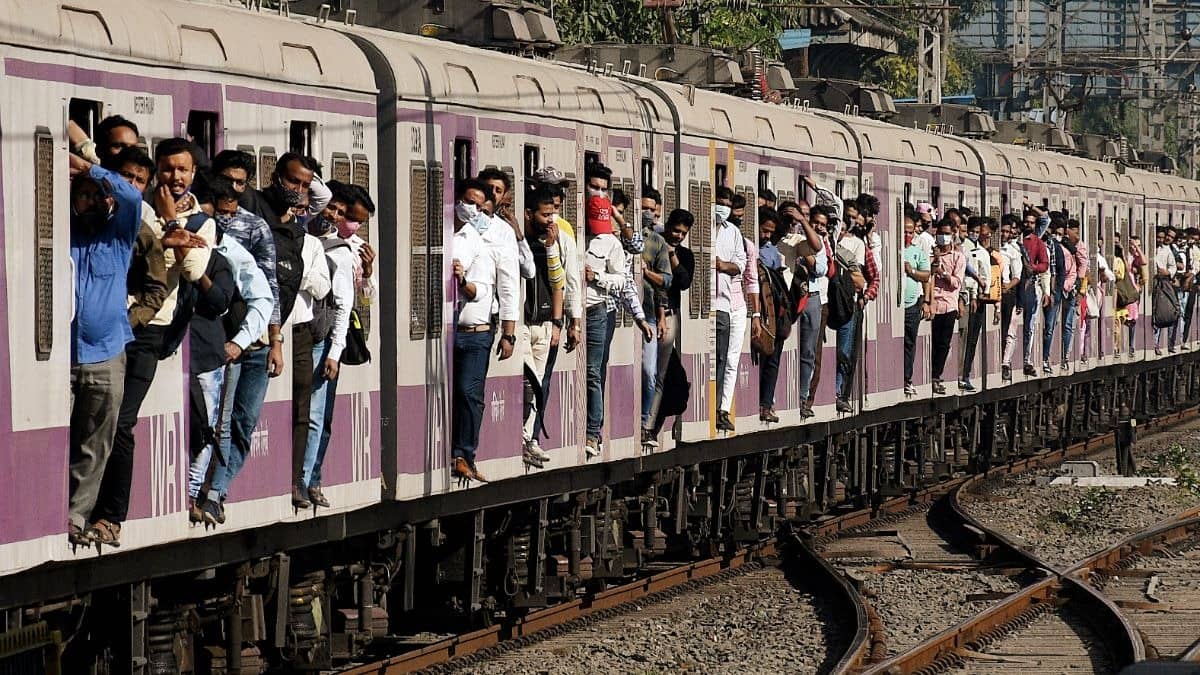
The recent approval for a new suburban railway station between Thane and Mulund by Railway Minister Ashwini Vaishnaw marks a significant step towards enhancing public transport in Mumbai, Maharashtra. This initiative is expected to greatly improve suburban rail connectivity, providing ease of travel for countless commuters in the bustling metropolis.
Details of the Project
The in-principle approval for the new station was formally communicated to Maharashtra Chief Minister Devendra Fadnavis. Minister Vaishnaw expressed the intention to address the transportation challenges in the region and emphasized the importance of efficient railway systems in urban landscapes.
Chief Minister Fadnavis, in response to this announcement, extended his gratitude to both Prime Minister Narendra Modi and Minister Vaishnaw for their collective efforts in realizing this project. He stated, “This will undoubtedly help make the transportation system in the Mumbai Metropolitan Region more efficient and dynamic,” highlighting the anticipated benefits for daily commuters.
A New Era of Commuting Ease
The addition of the Thane-Mulund railway station is expected to alleviate congestion in a region known for its heavy commuter traffic. With enhanced connectivity, it promises both convenience and efficiency for those traveling for work, education, and other essential activities.
In conjunction with this announcement, Minister Vaishnaw also approved the operation of a new Mainline Electric Multiple Unit (MEMU) rail service between Delhi and Faridabad at the request of Chief Minister Rekha Gupta. This decision reflects a broader commitment to improving public transportation throughout India.
As urban centers like Mumbai continue to grow, such infrastructures are essential. The developments meander towards a future where efficient and reliable public transport can support the region’s growing population and economic activity, enabling residents to commute seamlessly.
The approval of these projects serves as a beacon of progress and reflects a strong partnership between central and state governments aimed at enhancing urban mobility.

