Nature's Comeback: Brown Hairstreak Butterflies Flourish in South Wales
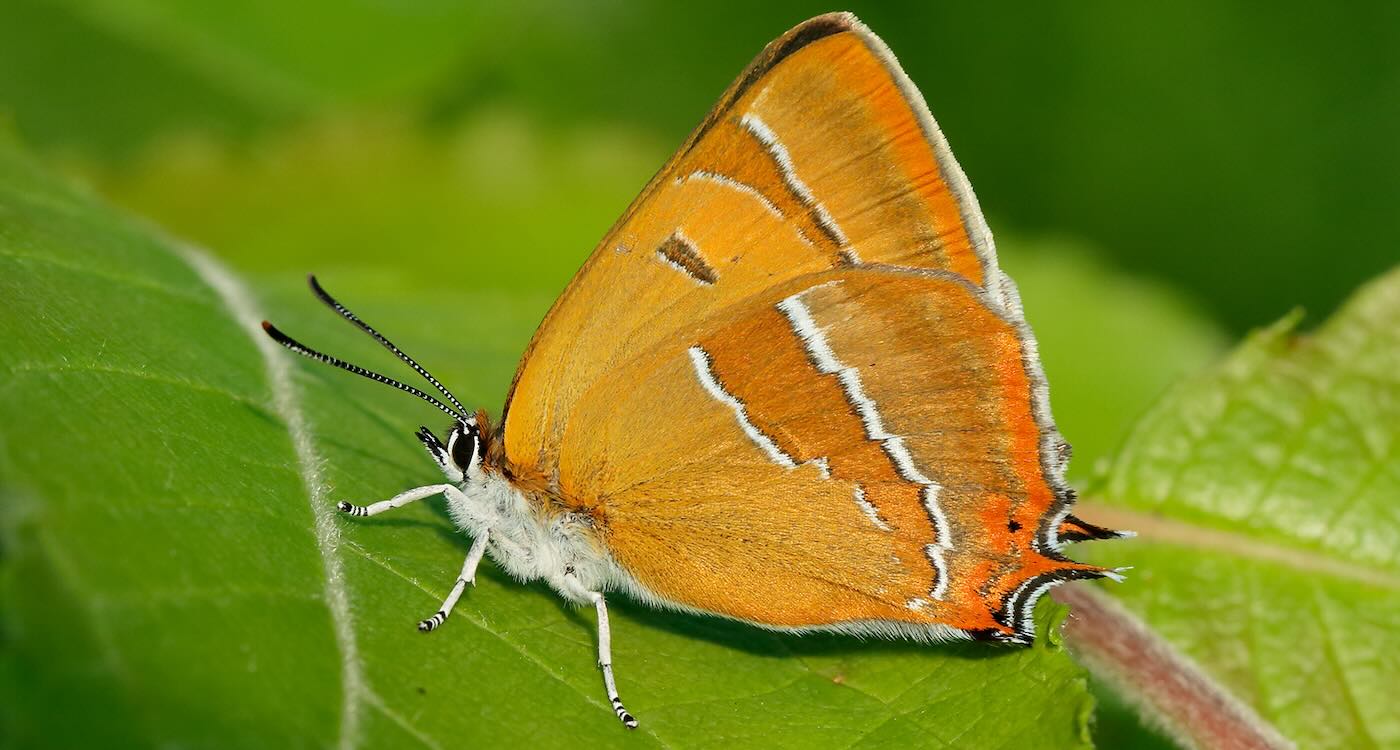
In a remarkable turn of events for butterfly conservation, the number of rare Brown Hairstreak eggs has seen a significant increase in South Wales, marking a hopeful resurgence for the species. Volunteers with the UK nonprofit Butterfly Conservation have reported record counts of these eggs in Carmarthenshire this winter, thanks to the combined efforts of local landowners who have adopted a more nature-friendly approach to managing their hedgerows.
Collaborative Conservation Efforts
The success of the Brown Hairstreak is attributed to two partner organizations that have reduced their hedgerow maintenance practices, allowing the butterfly to thrive once again in the region. Richard Smith, a dedicated volunteer with Butterfly Conservation for over three decades, expressed his optimism: “After a decade of heartache for Brown Hairstreaks in Carmarthenshire’s Tywi valley, there are finally signs of an upturn.”
From Near Extinction to Hopeful Recovery
Historically abundant across the UK, the Brown Hairstreak butterfly faced substantial declines due to traditional farming practices, particularly 'flailing'—a method that destroys the young shoots of the blackthorn bush, which serve as vital habitats for the butterfly. Since the species relies exclusively on these green shoots for laying eggs, their decline coincided with the reduction of this essential shrubbery.
In 2021, a small remnant population was discovered, prompting conservationists to implement rigorous egg counting and habitat protection initiatives. Through collaboration with the National Trust team at Dinefwr and the South Wales Trunk Road Agency, measures were put in place to plant more blackthorn and safeguard the butterflies’ habitat. As a result, protected lands have witnessed a 50% increase in egg counts this winter alone.
The Bigger Picture: Impact on Biodiversity
Smith notes the significance of these findings, stating, “Results have been improving year on year, and this winter has seen outstanding growth.” The ongoing efforts not only signify hope for the Brown Hairstreak but also indicate a broader trend in which changes to land management can positively influence wildlife populations. Dan Hoare, the Director of Nature Recovery at Butterfly Conservation, highlighted the potential benefits: “Small changes to the way we look after our hedges can help wildlife thrive and hedges function better for nature and people.”
By allowing hedgerows to be trimmed less frequently, landowners can facilitate the survival of the Brown Hairstreak and other species, emphasizing the importance of collaborative conservation efforts in promoting biodiversity.

