Natural History Museum Breaks Record as UK's Top Tourist Attraction in 2025
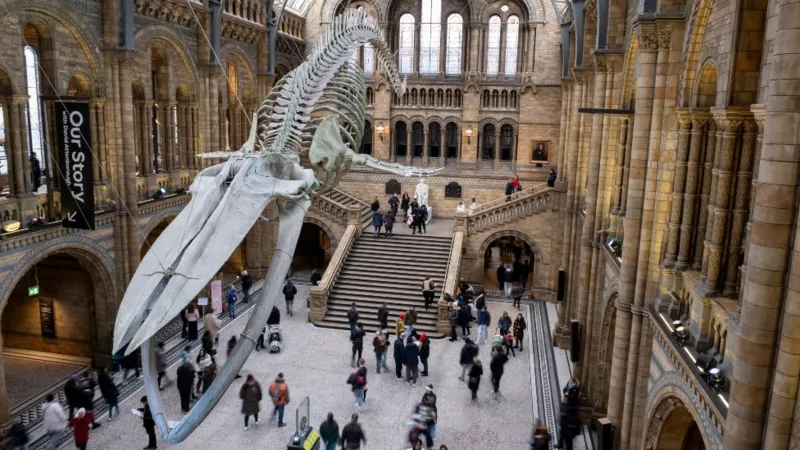
In a remarkable turn of events, the Natural History Museum has claimed the title of the UK's most popular tourist attraction in 2025, setting a new record for the highest number of visitors to any museum or gallery in a single year. With over 7.1 million visitors, this represents a 13% increase compared to 2024, reflecting a growing public interest in cultural and educational experiences even amid economic challenges.
A Surge in Visitor Engagement
The museum, located in South Kensington, London, topped a list that includes notable contenders such as the British Museum and Tate Modern, which also retained their spots among the top attractions. The Association of Leading Visitor Attractions (Alva) highlighted that while total visits to its 409 sites showed an overall increase, they still remain below pre-Covid levels, underscoring the recovery journey of the tourism sector.
Positive Reflections on Visitor Experience
Alva's director, Bernard Donoghue OBE, indicated that visitor attractions have remained integral to the public's leisure pursuits, even during a cost-of-living crisis. He pointed out that the increase in visitor numbers adds to the narrative of how essential these cultural spaces are for societal wellbeing. Dr. Doug Gurr, the director of the Natural History Museum, expressed joy over their achievement, emphasizing that the museum's focus on providing extraordinary experiences has paid off.
Future Prospects for Other Attractions
In addition to the success of the Natural History Museum, other attractions are also poised for growth. The British Museum is on track for a strong year ahead with the anticipated display of the Bayeux Tapestry. Furthermore, various venues such as the Houses of Parliament and the Royal Academy of Arts have also reported significant increases in visitor numbers, showcasing a broader revival in the tourism and cultural sectors.
This surge in attendance not only highlights the robust public appetite for cultural engagement but also serves as a testament to the resilience and dedication of those who manage and curate these institutions. As the UK continues on its path to recovery, the importance of cultural attractions in fostering community spirit and enriching experiences cannot be overstated.

