NASA's New Global Map Reveals Hopeful Trends in Light Pollution Reduction
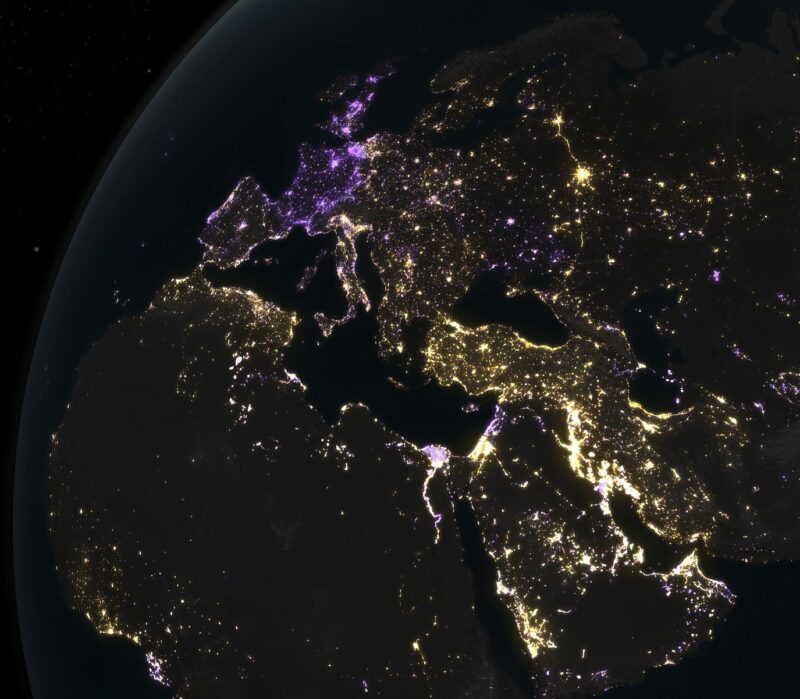
In an inspiring update, NASA has recently unveiled new global maps indicating significant changes in light pollution levels from 2014 to 2022. This remarkable data is part of NASA's Black Marble project, which utilizes advanced satellite technology to capture nighttime imagery of Earth, shedding light on both challenges and achievements in managing artificial light.
Positive Developments Across Europe
The findings are particularly uplifting for environmental advocates. NASA reports a notable reduction in light pollution across several European countries. For instance, France experienced a 33% decrease in nighttime lighting, attributed to widespread adoption of energy-saving LEDs and enhanced conservation measures. Similarly, the U.K. saw a 22% drop, and the Netherlands followed suit with a 21% reduction. These changes not only preserve the natural night sky but also contribute to energy efficiency efforts in these regions.
Understanding Light Pollution's Reversibility
One of the most promising aspects of the data is the acknowledgment that light pollution is reversible. Despite an overall global increase in artificial lighting, responsible practices can effectively mitigate its effects. NASA encourages individuals to take proactive steps at home—such as limiting outdoor lights, directing them downwards, opting for amber LED bulbs, and utilizing motion detectors to ensure lights are only active when necessary. These measures can significantly contribute to reducing light pollution and enhancing our natural environment.
A Bright Future with Stars in Sight
As we move forward, the data presented by NASA not only highlights the challenges posed by light pollution but also showcases the positive strides being made in various parts of the world. With actionable solutions at our fingertips, there is indeed hope for those who cherish stargazing and seek to reconnect with the brilliance of the night sky. The Black Marble project serves as a crucial reminder of our capacity to positively impact the environment through collective effort.

