NASA's New Global Map Reveals a Bright Future: Light Pollution Reduction in Focus
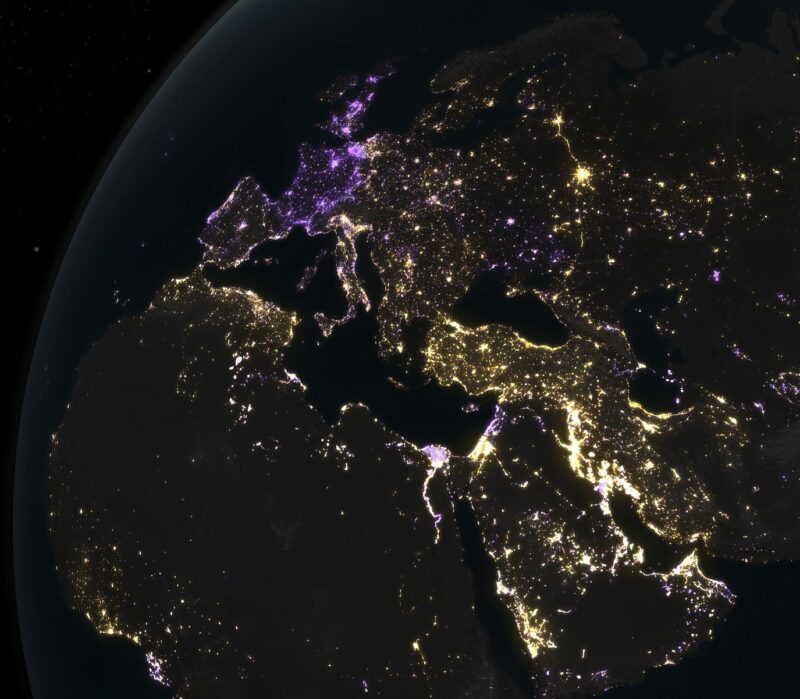
In an inspiring update, NASA has released new global maps highlighting changes in light pollution between 2014 and 2022, showcasing promising reductions in certain regions thanks to energy conservation measures. This initiative, part of NASA's extensive Black Marble project, utilizes satellite imagery to monitor nighttime lighting across the globe.
The Bright Side of Dimming
The latest findings reveal that specific areas, notably in northwestern Europe, have experienced significant dimming of night lights, marking a positive shift for the environment. According to NASA Earth Observatory, places such as Paris, the U.K., and the Netherlands have seen a remarkable decrease in light pollution, with reductions of 33%, 22%, and 21%, respectively. These changes are attributed to the adoption of LED technology and proactive energy conservation efforts.
The Global Perspective on Light Pollution
Despite the encouraging news from Europe, the global landscape presents a mixed picture. Overall, the Earth has seen a 34% increase in global radiance during the study period, with urban expansion in China and northern India contributing to heightened light levels. However, the East Coast of the United States has experienced dimming, which researchers link to broader economic restructuring and the switch to energy-efficient lighting.
Taking Action Against Light Pollution
The positive takeaway from NASA’s findings is that light pollution is reversible, and individuals can take actionable steps to contribute to this cause. Simple measures such as limiting outdoor lighting, choosing warm-colored or amber LEDs, and using motion detectors can make a substantial difference in reducing light spill and enhancing the night sky.
Overall, NASA's latest research not only shines a light on the efforts being made to combat light pollution but also empowers individuals to play their part in this global movement. As we continue to address this environmental challenge, the path forward looks brighter than ever.

