McKinney's Remarkable Leap in Cardiac Arrest Survival: A Community's Lifesaving Initiative
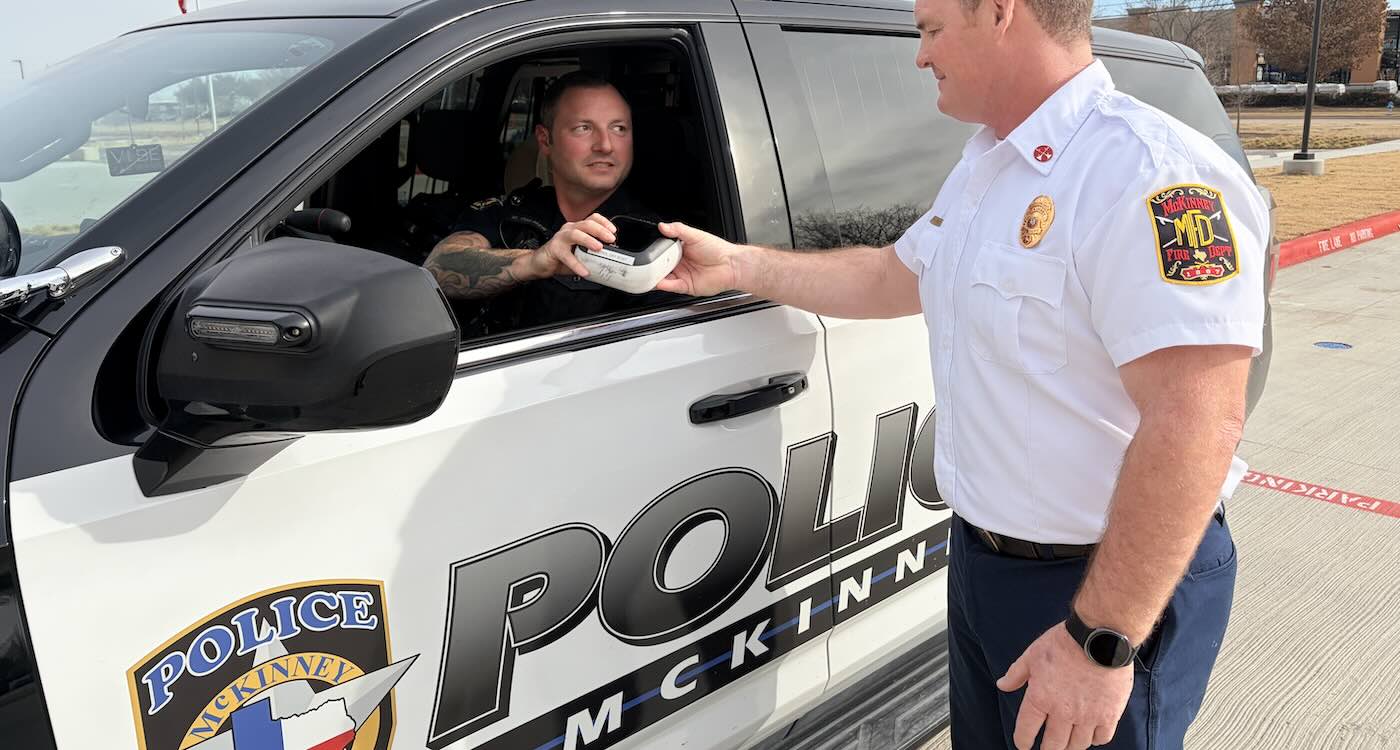
In an inspiring turn of events, McKinney, Texas has seen a dramatic improvement in cardiac arrest survival rates, moving from a mere 10 percent two years ago to an impressive 47 percent today. This significant increase is the result of a collaborative effort between the city's fire and police departments, alongside active involvement from its citizens. This community-wide initiative not only demonstrates the power of teamwork but also sets a shining example for other cities across the nation.
Transforming Cardiac Care in McKinney
The city of McKinney has embarked on a revolutionary journey to enhance emergency response protocols. With inspiration drawn from successful practices implemented in Seattle, local officials have implemented a model that emphasizes crucial elements of rapid response: immediate CPR, quick access to automated external defibrillators (AEDs), and prompt transport to medical facilities. This approach has elevated McKinney's survival rate above the national average of 30 percent, nearing Seattle's leading rate of 50 percent.
A Community Empowered
As part of the initiative, McKinney is aiming to become one of the first “4-Minute Cities” in the United States, where an AED is never further than four minutes away from any cardiac emergency. To accomplish this, over 80 AEDs have been installed in police vehicles, and a further deployment of 200 AEDs is planned in a new campaign dubbed Neighborhood Heroes. This empowerment of residents to act as first responders reflects a strong sense of community commitment to public health and safety.
Inspiring a Culture Shift
This initiative has also fostered positive changes among local law enforcement. Initially skeptical officers became passionate advocates after witnessing firsthand the lifesaving impact of their training and equipment. This shift in mindset is pivotal, as it encourages broader community engagement in health initiatives. Fire Chief Paul Dow and Battalion Chief Ben Jones emphasize the importance of integrating AEDs throughout the community, reflecting a strong belief in proactive health measures.
Recognition and Future Aspirations
The American Heart Association has recognized McKinney's innovative “4-Minute City” model as a crucial part of its Heart Health Month campaign, enhancing awareness and credibility for this groundbreaking approach to community health. The city’s ongoing efforts not only improve survival rates but also foster a greater sense of community responsibility and connection.
As McKinney forges ahead, it continues to demonstrate that through cooperation, training, and a commitment to saving lives, even the most daunting challenges can be met with success. This initiative stands as a beacon of hope and a model for other municipalities to adopt similar strategies in the fight against cardiac emergencies.

