McKinney, Texas: Pioneering a Remarkable Transformation in Cardiac Survival Rates
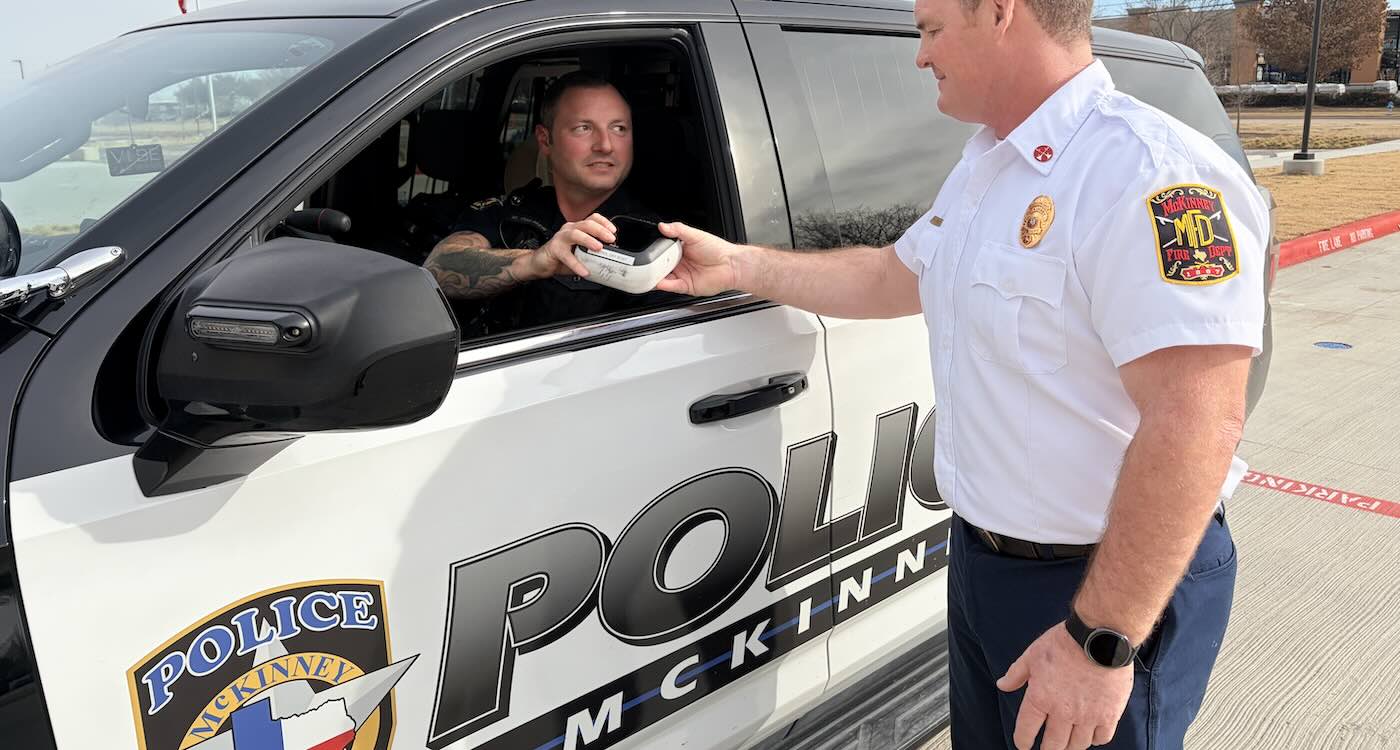
The city of McKinney, Texas, has emerged as a beacon of hope in cardiac emergency response, significantly improving survival rates from cardiac arrests over the past two years. Through a collaborative effort among its fire and police departments, and now the community at large, McKinney has seen a remarkable rise in the chances of survival for heart attack victims.
Astonishing Progress
Two years ago, survival rates for individuals experiencing cardiac arrest in McKinney stood at a meager 10 percent, which mirrored figures in many U.S. cities. Today, that figure has escalated to an impressive 47 percent—a testament to the dedication and innovation of the McKinney Fire and Police Departments. This collaborative approach has not only improved outcomes but has also positioned McKinney as a leader in emergency response practices, exceeding the national average of 30 percent and rivaling Seattle's renowned 50 percent survival rate.
Community Engagement: A New Frontier
In a bold move to further enhance emergency response, the city has initiated a plan to distribute automated external defibrillators (AEDs) throughout local neighborhoods. This initiative aspires to turn McKinney into one of America’s first “4-Minute Cities,” ensuring that residents are never more than four minutes away from an AED in the event of a cardiac emergency. The groundwork for this initiative was laid by Fire Battalion Chief Ben Jones, who trained at Seattle's Resuscitation Academy and adapted their successful components to fit McKinney's needs.
Building a Life-Saving Culture
The program’s success has fostered a culture of camaraderie and healthy competition between the fire and police departments, motivating them to work together towards a common goal—saving lives. This cultural shift has had tangible results, with nine lives saved in the past year through the combined efforts of emergency responders. Officers who were initially skeptical have witnessed firsthand the impact of their training and the difference they can make in critical situations.
Looking Ahead
As part of their Neighborhood Heroes campaign, McKinney will deploy an additional 200 AEDs, empowering citizens to take on the role of first responders during cardiac emergencies. This initiative signifies a strategic move toward enhancing community involvement in healthcare and emergency response, as well as reinforcing the city's commitment to public safety.
Highlighting these advancements, the American Heart Association has recognized McKinney’s fire department's model as a centerpiece of its Heart Health Month campaign, showcasing the city's leadership in community-focused resuscitation efforts. McKinney serves as an inspiring example, demonstrating how strategic collaboration and community investment can yield life-saving results.

