Markwayne Mullin's Commitment to Reform as He Aims for DHS Leadership
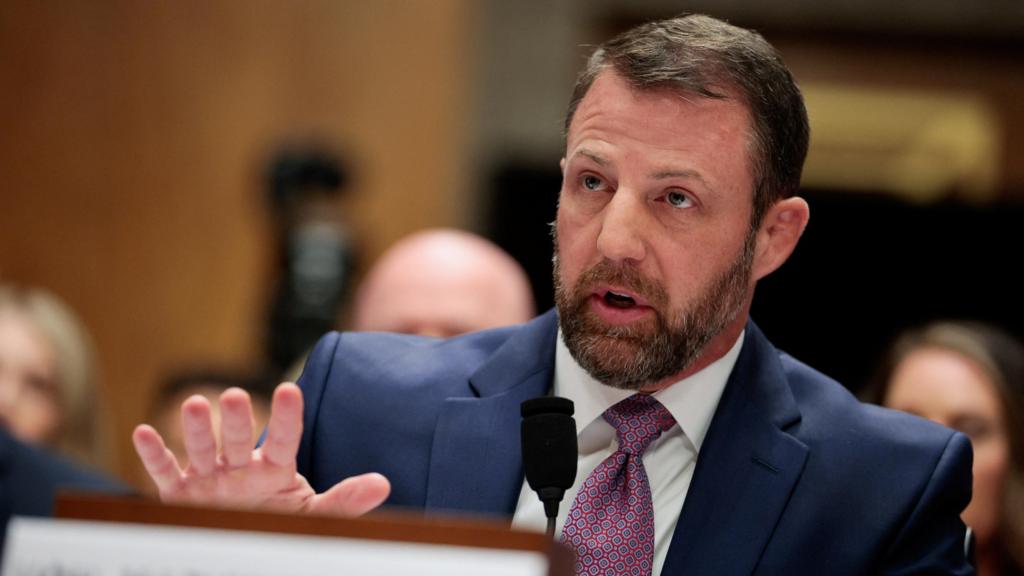
The confirmation hearing of Senator Markwayne Mullin for the position of Secretary of the Department of Homeland Security (DHS) has generated a wave of keen interest. As he steps into the spotlight, Mullin has laid out his intention to bring significant changes to the agency, a move that could redefine its operations amidst the ongoing challenges of immigration enforcement and public scrutiny.
Reversing Disastrous Policies
During the hearing, Mullin took a commendable step by pledging to reverse a controversial policy imposed by his predecessor, Kristi Noem, which required her to approve all grants above $100,000. Describing the policy as "micromanaging," he indicated a commitment to streamline funding processes for emergency management and other essential functions of DHS. This reversal could significantly enhance the efficiency of programs like the Federal Emergency Management Agency (FEMA), especially crucial in times of crisis.
A New Approach to Immigration Enforcement
Mullin expressed a forward-thinking approach to immigration enforcement, stating his desire to find a "better approach" than current practices. He emphasized the importance of collaboration with local communities and law enforcement, acknowledging that building trust is essential in effectively managing immigration issues. This perspective aims to alleviate fears within communities while ensuring that law enforcement can operate effectively.
Innovative Collaboration with Local Communities
Mullin's promise to engage with communities regarding the establishment of detention centers indicates a significant shift in how DHS could operate under his leadership. His willingness to communicate and involve local leaders in decision-making processes reflects a more inclusive style of governance. Such an approach could foster better community relations and enhance the Department’s efficacy in addressing immigration concerns.
A Vision for Tribal Sovereignty and Representation
As an enrolled member of the Cherokee Nation, Mullin's potential confirmation as only the second Native American cabinet member in U.S. history signifies a progressive moment for representation in government. His commitment to respecting tribal sovereignty while working on crucial issues like border security is a vital acknowledgment of the unique position of Native American tribes in this dialogue.
Mullin’s hearing thus far has revealed a candidate eager to enact reform and rekindle trust in DHS amidst the current partial government shutdown. As he awaits a Senate vote on his confirmation, stakeholders on both sides are watching closely, noting that his actions could herald a new chapter for the agency's leadership and its role in the broader context of national security and community engagement.

