Major Boost for NATO: UK Frigates Set for Norwegian Navy
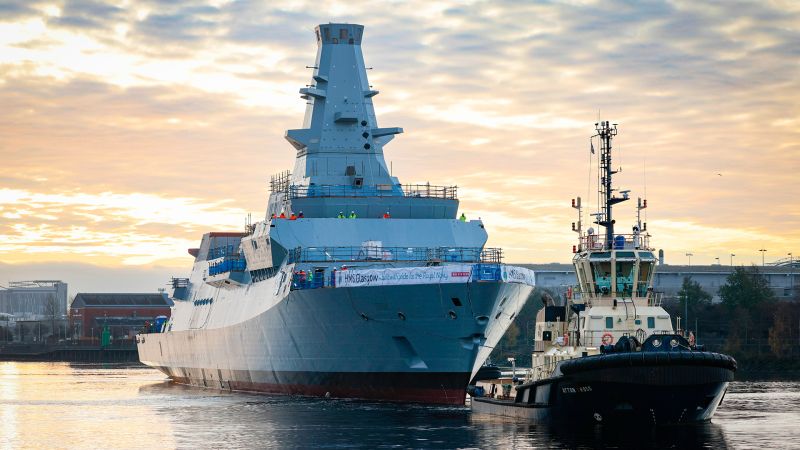
In a significant development for NATO and military collaboration, several build slots for the UK's advanced Type 26 frigates have been transferred to Norway. This decision, confirmed by Defence Readiness and Industry Minister Luke Pollard, comes as a boon for the Royal Norwegian Navy and strengthens ties within the alliance.
The Positive Outlook from Experienced Leaders
Commodore (Ret'd) Steve Prest, a former Director of Navy Acquisition, articulated a positive perspective on the transfer. Despite concerns regarding potential delays for the Royal Navy, he emphasizes that the transfer ultimately benefits NATO as a whole by accelerating the operational capability of these state-of-the-art vessels. “I genuinely think it’s good news because I think it will mean we’ll get more Type 26 frigates into the North Atlantic sooner,” he stated.
Strengthening Military Alliances
The production of the Type 26 City-class frigates will continue at BAE Systems' sites in Glasgow, ensuring that not only the Royal Navy but also allied forces are equipped with modern maritime defense capabilities. This collaborative effort signifies a deeper integration between the UK and Norway, particularly in strategic areas crucial to NATO's security framework.
Future Plans and Challenges
While the Royal Navy's plans to acquire an initial set of 13 Type 26 frigates may face adjustments due to crew and operational readiness, experts like Cdre Prest assert that expanding export orders is essential for the UK's defense industry. His comments reflect a pragmatic approach to military readiness, acknowledging existing workforce constraints while advocating for a robust production pipeline. The expectation is that the Royal Navy will still manage to secure at least eight frigates, which could prove vital in the coming decade.
In conclusion, this agreement not only highlights the collaborative spirit within NATO but also ensures that enhanced capabilities are delivered to allies sooner. The decision to share resources exemplifies a commitment to maintaining strong defenses against evolving threats and showcases the importance of military partnerships in today's geopolitical climate.

