
Local Conservation Efforts Shine a Light on the Future of Wood Thrush
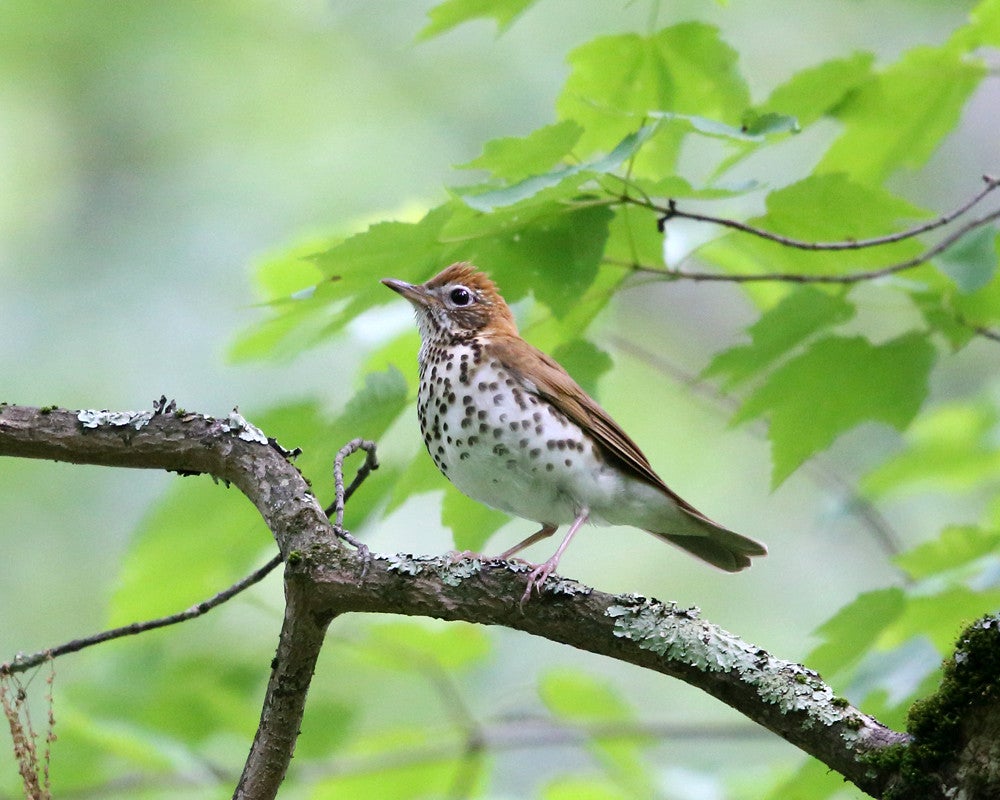
As communities gather to address environmental concerns, recent initiatives aimed at conserving the Wood Thrush—a cherished bird known for its melodious song—offer hope for both wildlife and local habitats. An engaging day-long training at the Bent of the River Audubon Center in Southbury, Connecticut, demonstrated the power of collaboration among foresters, land managers, and conservationists.
Empowering Landowners for Change
The focus of the workshop was to educate participants on the specific needs of the Wood Thrush, particularly as the species faces a daunting 60% decline since 1966 due to habitat fragmentation and changing ecological conditions. Attendees, including members from local land conservation trusts, explored practical strategies to enhance forest conditions that are vital for the Wood Thrush's breeding and survival.
Personal Commitment to Conservation
For many participants, the training was not just educational; it was a call to action. Craig Repasz, a member of the Hamden Land Conservation Trust, expressed his commitment to implementing habitat diversity practices on their smaller properties. His experience highlights how even small landowners can make significant contributions to broader ecological goals. Similarly, Wendolyn Hill, Open Space Coordinator for the Town of Lyme, revealed her motivation to apply effective stewardship practices in the nature preserves she oversees.
Networking for a Shared Purpose
The Wood Thrush Project is creating an essential network that connects foresters, land managers, conservation organizations, and private landowners. By sharing knowledge and techniques, participants are inspired to take action. Volunteer Steve Mayo emphasized the importance of awareness, stating that understanding the necessary steps to maintain healthy forests can galvanize more volunteers into action, ultimately leading to greater conservation success.
This collaborative effort not only benefits the Wood Thrush but also supports a variety of other bird species, including the Scarlet Tanager and the Cerulean Warbler. By fostering healthier forest habitats, communities are taking significant strides toward preserving their natural environment for future generations.




