Inspiring Stories of Athletes Conquering ADHD: A New Era in Sports
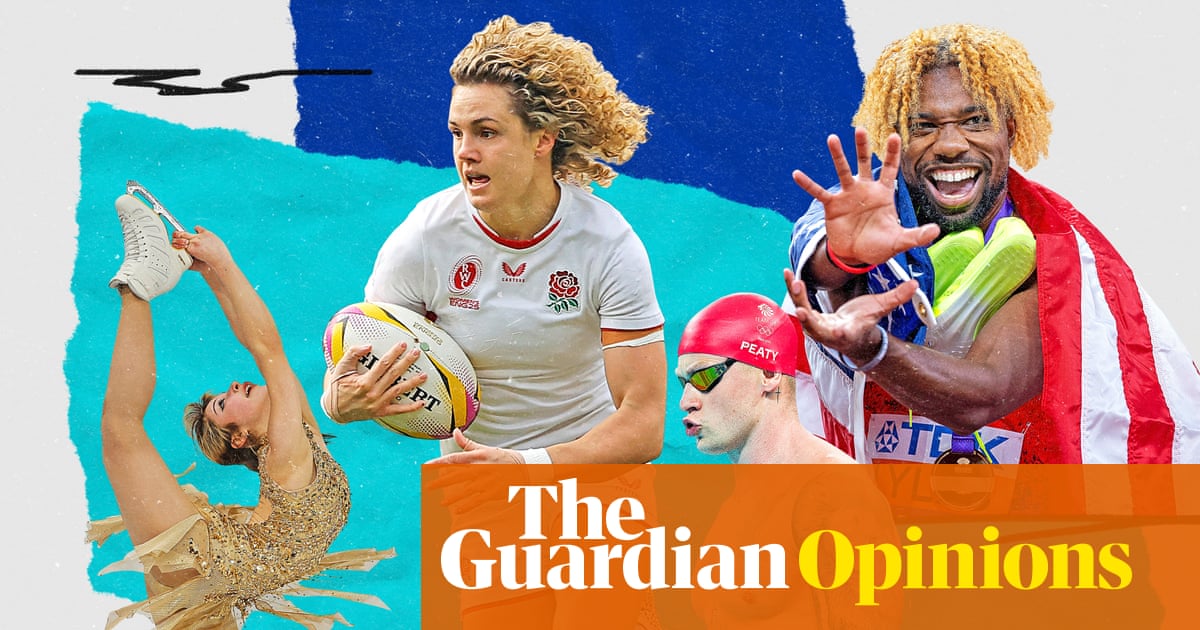
In a world where challenges often dominate narratives, the uplifting journeys of athletes like Adam Ramsay-Peaty and Ellie Kildunne redefine resilience and achievement. Their stories not only inspire but also highlight the complex relationship between neurodiversity and elite performance.
Adam Ramsay-Peaty: A Triumphant Return
Three-time Olympic champion Adam Ramsay-Peaty has made headlines with his remarkable comeback at the British Swimming Championships, winning the 100m breaststroke with the second-best time globally this year. This victory bears particular significance as it comes after a professional hiatus for mental health reasons in 2023. His ability to channel ADHD into a 'relentless drive' showcases how the condition can serve as both a challenge and a motivator in the quest for excellence.
Ellie Kildunne: Embracing Neurodiversity
Similarly, Red Roses full-back Ellie Kildunne recently shared her struggles and victories surrounding her ADHD in her book 'Game Changer.' Following England's Six Nations win, Kildunne discussed how her diagnosis has offered her insights into her own unique wiring. Such narratives dismantle the stigma around ADHD, presenting it as a potential asset rather than solely a limitation.
The Broader Implications of Neurodiversity in Sports
While the uplifting experiences of these athletes are commendable, they underscore a pressing need for a better understanding of ADHD in sports. Research indicates that ADHD may play a role in athletes' pursuit of elite status, transforming what was once considered a limitation into a source of strength. This evolving perception is vital for integrating neurodiverse individuals into the broader sports community.
Creating Supportive Environments
An essential aspect of fostering success among athletes with ADHD is the establishment of supportive environments. Experts like Kirsty Brown emphasize the importance of understanding how to accommodate neurodivergent athletes in training and competition settings. By focusing on the unique strengths and challenges they face, sports can become more inclusive and accessible.
In conclusion, the journeys of Peaty and Kildunne highlight a bright future for neurodiverse athletes in sports. Their stories may inspire others grappling with similar challenges, proving that with the right support and understanding, overcoming obstacles is possible. As awareness grows, the sports community has an opportunity to adapt, uplift, and celebrate the extraordinary capabilities of all its athletes.

