Inspiring Recovery: Rare Butterfly Eggs Surge Thanks to Conservation Efforts
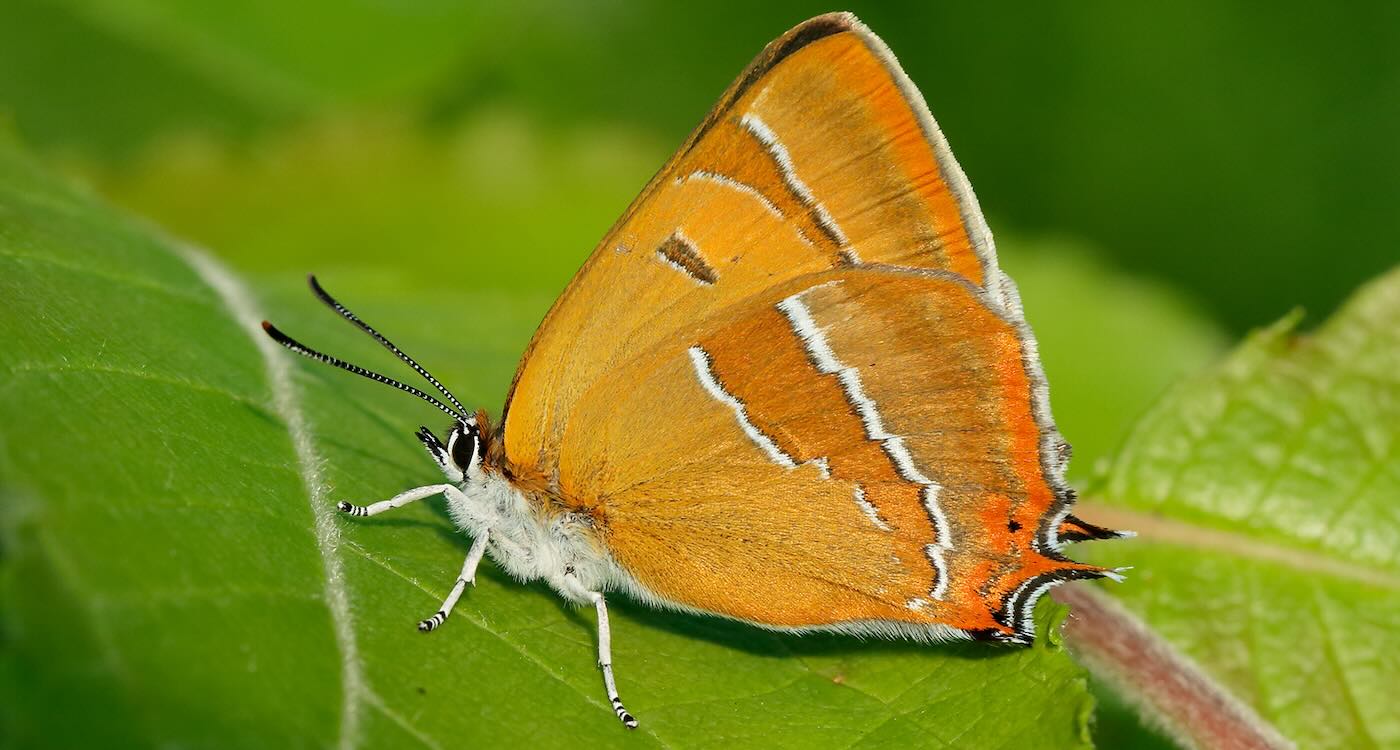
In a remarkable turn of events, the number of rare Brown Hairstreak butterfly eggs has experienced a significant increase in South Wales, signaling positive momentum for this endangered species. The surge in egg counts follows the dedication and collaborative efforts of landowners who chose to allow their hedgerows to grow wild, creating a more hospitable environment for these delicate insects.
A Decade of Hard Work Pays Off
Volunteers from Butterfly Conservation have reported record tallies of Brown Hairstreak eggs in the Carmarthenshire region this winter. Richard Smith, a volunteer with over 30 years of experience in butterfly conservation, expressed optimism, stating, “After a decade of heartache for Brown Hairstreaks in Carmarthenshire’s Tywi valley, there are finally signs of an upturn.” This resurgence is credited to proactive measures taken by two partner organizations, which committed to minimizing the annual cutting back of hedgerows, thereby allowing the butterfly's preferred blackthorn scrub to flourish.
From Near Extinction to Thriving
Historically abundant across the UK, the Brown Hairstreak faced a drastic decline due to agricultural practices that involved the flailing of hedgerows, which obliterated the young shoots upon which they depend for laying eggs. Since 2010, they had nearly vanished from the region but were rediscovered in a small population in 2021. Thanks to focused conservation efforts, including planting blackthorn and protecting key habitats, yearly egg count improvements have culminated in a remarkable 50% increase on protected lands this winter.
Encouraging Sustainable Practices
The success of the Brown Hairstreak serves as an example of the positive impact that altered management practices can have on wildlife. Dan Hoare, the Director of Nature Recovery at Butterfly Conservation, emphasizes the importance of sustainable hedge management, encouraging landowners to consider trimming hedges less frequently. “If hedgerows are trimmed once every two or three years, it could substantially increase the survival rates of the Brown Hairstreak, benefiting many other species as well,” he noted.
This uplifting news not only highlights the resilience of nature but also serves as a rallying cry for conservation efforts worldwide. As we move forward, the collaboration between volunteers, landowners, and conservation organizations can ensure a vibrant future for not just the Brown Hairstreak, but for countless other wildlife species that share its habitat.

