Inspiring Milestones: Nature's Comeback and Social Progress in Focus
This week has brought a wealth of uplifting news stories, demonstrating remarkable resilience and commitment to social and environmental betterment. From the return of lost species to groundbreaking legislative changes, these developments offer hope for our planet and its people.
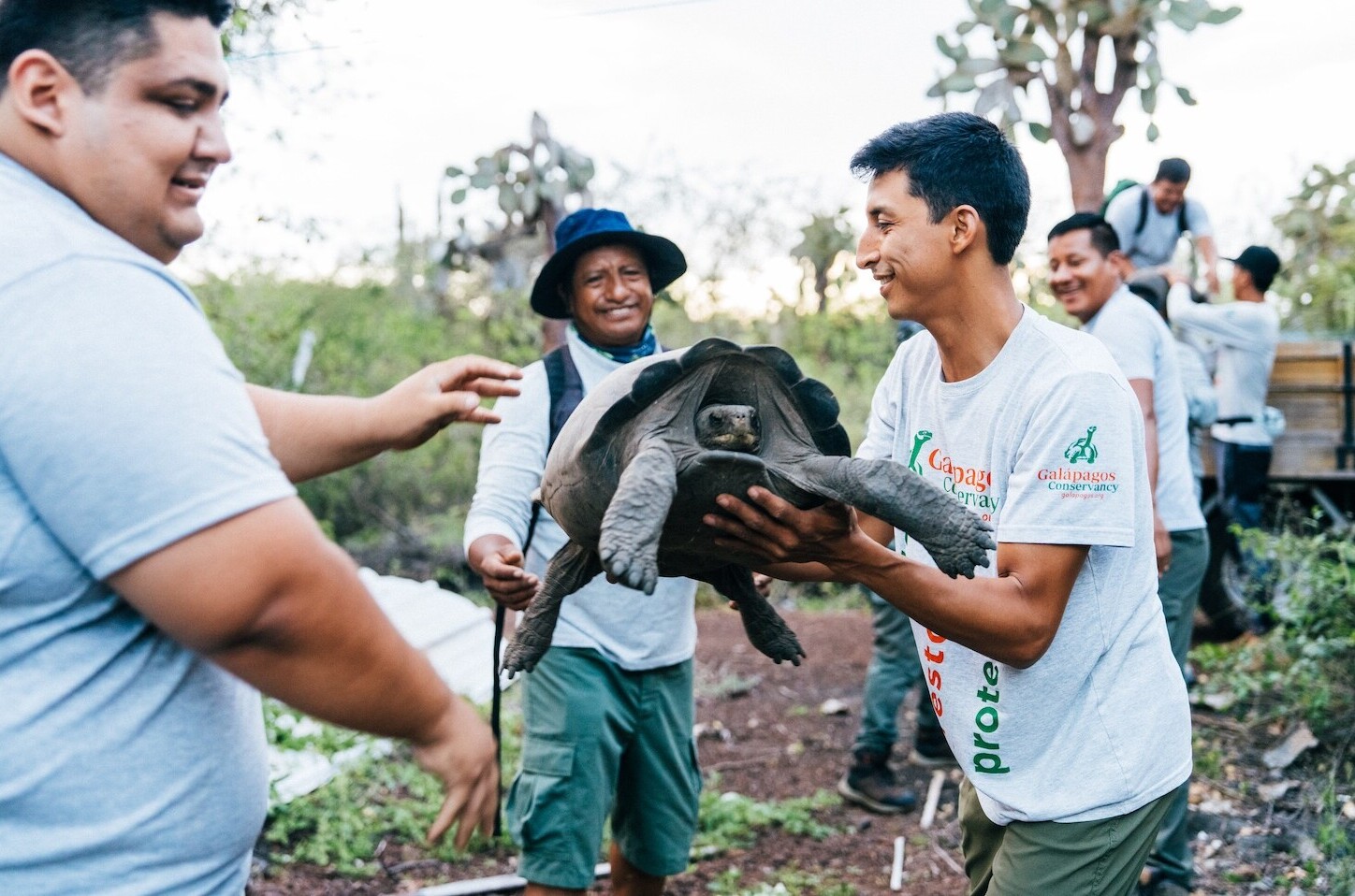
The Giant Tortoises Return to the Galapagos
In a triumphant ecological revival, giant tortoises have made their return to the Galapagos island of Floreana after nearly two centuries of absence. Thanks to an ambitious ecosystem recovery initiative, a milestone has been reached with the reintroduction of 158 giant tortoises, once thought lost forever due to invasive species and human exploitation. This endeavor, supported by the Charles Darwin Foundation, underscores the importance of these tortoises in their ecosystem.
Rakan Zahawi, executive director of the foundation, highlighted the role of tortoises in shaping their surroundings and promoting biodiversity. As they reintegrate into their natural habitat, their presence is expected to enhance ecological processes crucial for many other species.
Wales Passes Landmark Homelessness Bill
In a significant advancement for social welfare, Wales has passed the Homelessness and Social Housing Allocation Bill, which will provide essential support to those at risk of homelessness. This legislation mandates early intervention strategies and collaboration among public bodies to ensure that individuals and families can maintain stable housing.
Matt Downie, chief executive of the homelessness charity Crisis, referred to the bill as “life-changing,” emphasizing its potential to alleviate the trauma experienced by thousands facing homelessness in Wales. This legislative step is critically timed, as homelessness rates have surged across the country, highlighting the urgent need for systemic solutions.
Libya's Public Health Victory Against Trachoma
In a remarkable public health accomplishment, Libya has become the 28th country validated by the World Health Organization for eradicating trachoma, a leading cause of infectious blindness. Despite ongoing political instability, Libya’s dedicated health workers implemented successful sanitation, disease surveillance, and treatment strategies, showcasing their resilience in overcoming significant challenges in public health.
This achievement not only uplifts the Libyan population but also serves as a testament to the power of dedication and focused health initiatives in combating global health issues.
India's Education Commitment for Girls
In a groundbreaking ruling, India's Supreme Court has determined that menstrual hygiene is a fundamental right, mandating that schools provide free sanitary products to girls. This decision aims to address absenteeism attributed to menstruation, particularly among those from disadvantaged backgrounds. The initiative is expected to significantly boost school attendance and empower young girls by allowing them access to education without the stigma surrounding menstruation.
China’s Yangtze River Fishing Ban Fosters Recovery
China has witnessed the encouraging recovery of fish stocks in the Yangtze River following a decade-long ban on commercial fishing. This policy has led to a reported doubling of fish biomass and an increase in species diversity. While challenges persist, including habitat fragmentation and pollution, the initial signs of recovery offer hope for biodiversity conservation efforts in the region.
These stories reflect a distinct shift towards collective responsibility, showcasing the power of policy, community efforts, and ecological commitments in fostering a better world. As we move forward, it is essential to recognize and support these endeavors that not only inspire positive change but also pave the way for a sustainable and equitable future.

