Inspiring Conservation Success: The Remarkable Comeback of the Topeka Shiner in Iowa
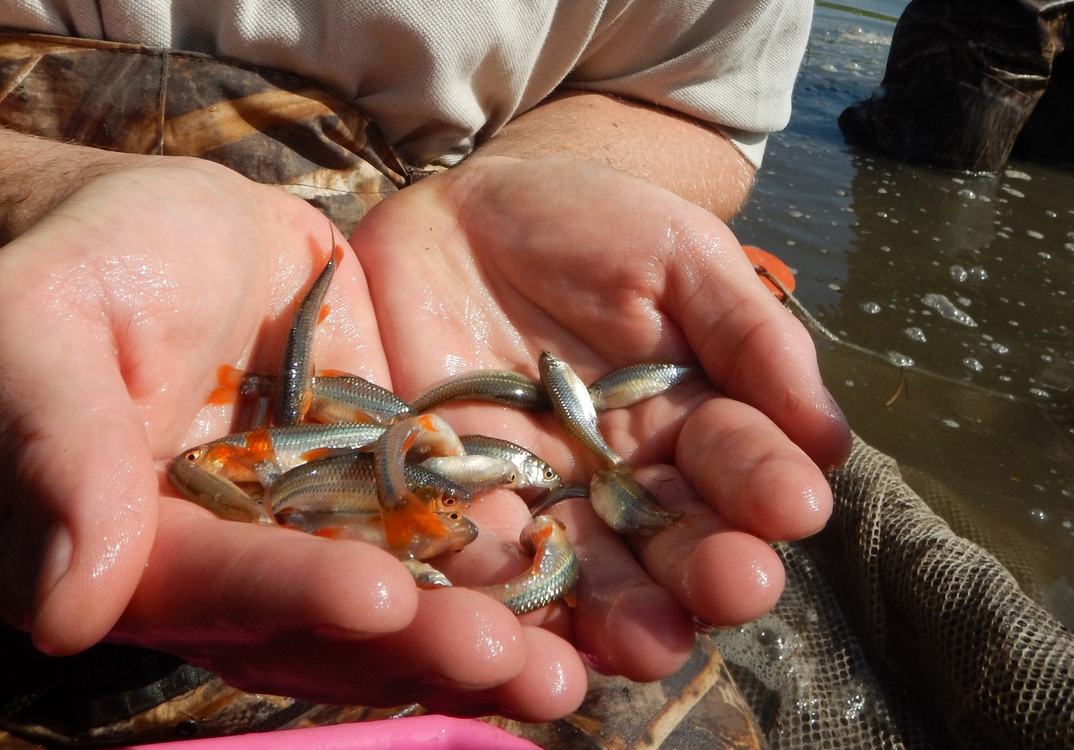
In an impressive display of ecological restoration, Iowa has seen a significant turnaround in its water ecosystems thanks to a dedicated conservation program aimed at saving the Topeka shiner, a small federally-endangered fish. Originally widespread, this minnow has led to the revitalization of hundreds of ponds, restoring natural habitats and addressing nutrient runoff issues in a state known more for its agriculture.
The Restoration Journey
The journey began in 2000 when the US Fish and Wildlife Service collaborated with the Iowa chapter of the Nature Conservancy to restore oxbow lakes, which had largely disappeared due to agricultural development. Once covering 11% of Iowa's landscape, these natural water bodies played a critical role in the state's wetlands, offering a unique ecosystem for various wildlife. By identifying and revitalizing these lakes, conservationists aimed to bring back the shiner while enhancing the overall water quality in the region.
A Ripple Effect on Biodiversity
The benefits of this conservation initiative have far exceeded expectations. With the restoration of these habitats, not only has the Topeka shiner made a comeback—appearing in 60% of the restored lakes—but a surge in biodiversity has also been recorded. Conservationists now document over 57 species of fish and 81 species of birds inhabiting these revitalized ecosystems. This resurgence illustrates how focusing on one endangered species can catalyze a broader environmental triumph.
Financial Support and Community Engagement
This comprehensive restoration approach has been backed by a mix of private funding and various grants, ensuring that landowners can partake in the project without bearing significant costs. The involvement of organizations like the Iowa Soybean Association has been crucial in expanding the project, focusing efforts on restoring more oxbows in critical watersheds. This community collaboration exemplifies how collective effort can lead to profound environmental impacts.
A Bright Future for Conservation
Looking ahead, the future appears promising for the Topeka shiner and the ecosystems it inhabits. A recent review has recommended downgrading the shiner's status from “endangered” to “threatened,” marking an encouraging trend in conservation efforts. As deduced by Karen Wilke, associate director of freshwater at the Nature Conservancy in Iowa, this project is about more than just the Topeka shiner; it represents a holistic approach to restoring water quality and biodiversity across Iowa.
The inspiring success of this conservation initiative serves as a reminder of the potential for positive change in our environment. It highlights how concerted efforts can lead to significant ecological benefits, fostering a renewed hope for biodiversity in the face of environmental challenges.

