Inspiring Conservation Success: The Remarkable Comeback of the Brown Hairstreak Butterfly
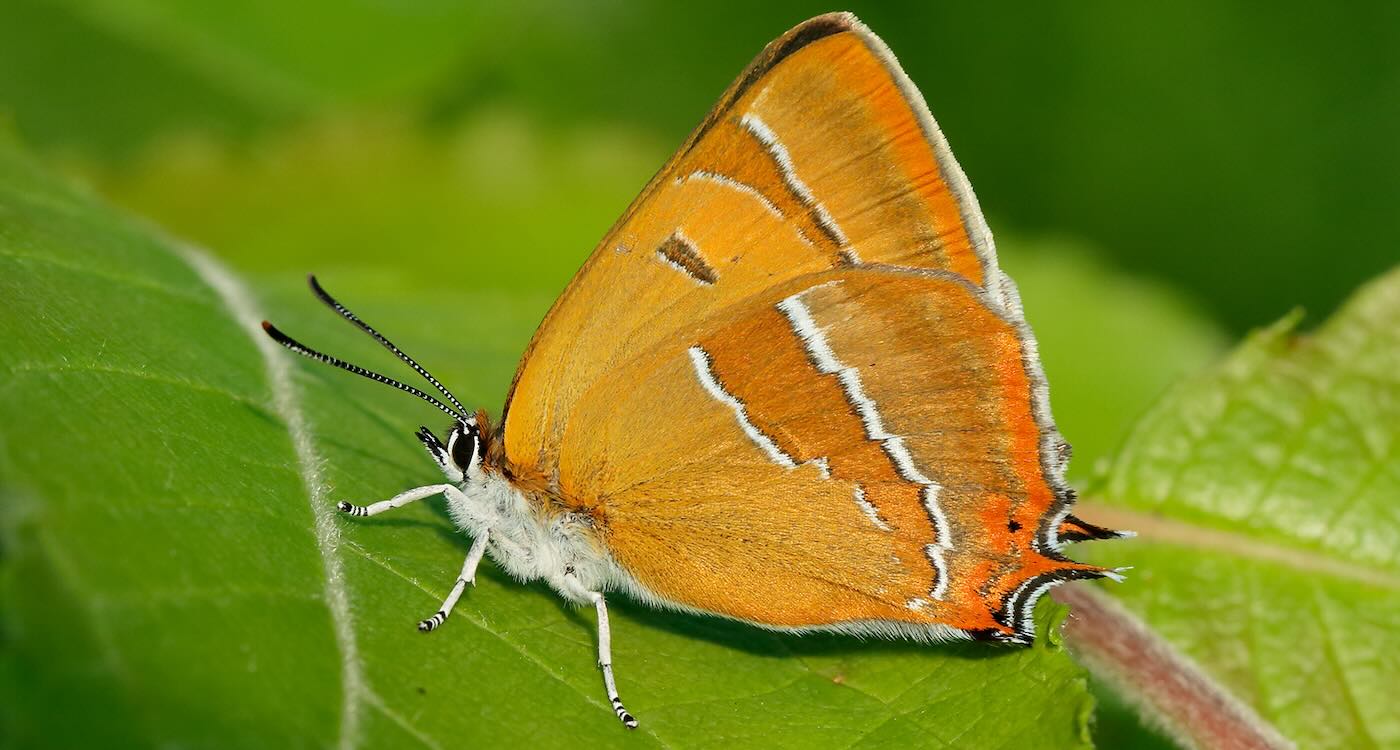
There is encouraging news for wildlife enthusiasts and conservationists as the numbers of rare Brown Hairstreak butterfly eggs have dramatically increased in South Wales. This remarkable turnaround is attributed to the efforts of landowners who have allowed their hedgerows to grow wild, creating a more hospitable environment for these beautiful creatures.
Record Counts in Carmarthenshire
Volunteers from the UK nonprofit Butterfly Conservation have reported record numbers of Brown Hairstreak eggs this winter in the Carmarthenshire region. Richard Smith, a dedicated volunteer with over three decades of experience, expressed optimism, stating, “After a decade of heartache for Brown Hairstreaks in Carmarthenshire’s Tywi valley, there is at last signs of an upturn.” This resurgence in butterfly populations signifies a win for both conservation efforts and biodiversity.
Partnerships Driving Change
The revival of the Brown Hairstreak can be credited to two key partner organizations, the National Trust team at Dinefwr and the South Wales Trunk Road Agency. By reducing the amount they cut back on hedgerows and actively planting more blackthorn bushes—where the butterflies lay their eggs—they have transformed the local landscape into a thriving habitat for this species. “Results have been improving year on year, and this winter has seen 50% increases on such protected land,” Smith added.
The Importance of Hedgerows
The decline of the Brown Hairstreak was primarily due to traditional farming practices that negatively impacted their habitat. Since 2010, these butterflies were nearly wiped out from the area, largely due to landowners' cutting methods that destroyed the young shoots of blackthorn, which are essential for their breeding. The simple yet effective strategy of allowing hedgerows to grow undisturbed demonstrates how even minor changes in land management can yield significant benefits for wildlife. “Small changes to the way we look after our hedges can help wildlife thrive and hedges function better for nature and people,” stated Dan Hoare, Butterfly Conservation’s Director of Nature Recovery.
A Call to Action for Landowners
Hoare's message to landowners is clear: “If hedgerows are only trimmed once every two years, or even every three years, it could make an enormous difference.” These changes not only support the Brown Hairstreak but also other species that depend on healthy hedgerows for their survival. The butterfly serves as an important indicator of ecosystem health, highlighting the vital role that land management plays in conserving biodiversity.
The dedication of volunteers and partners paves the way for future successes in conservation, proving that it is possible to restore and enhance the natural environment. As we celebrate this positive outcome, it serves as a reminder of the potential for recovery in our ecosystems and the impact that thoughtful practices can have on our wildlife.

