Innovative Project Aims to Save South Africa's Rhinos from Poaching
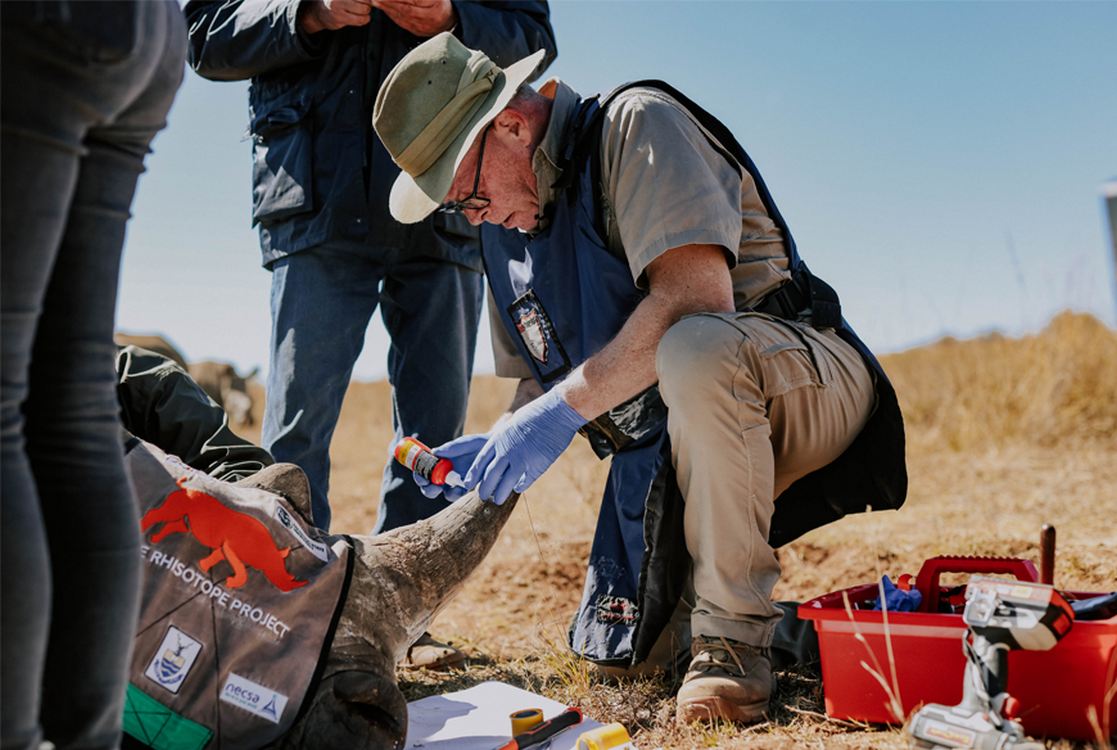
In a groundbreaking initiative, South Africa has launched the Rhisotope Project, a strategy meticulously crafted over the past six years to combat rhino poaching. By embedding safe radioactive isotopes into rhino horns, this innovative solution aims to make trafficking these endangered animals virtually impossible.
A Revolutionary Approach to Conservation
Led by the University of Witwatersrand-Johannesburg, the Rhisotope Project employs a unique method designed to protect rhinos from illegal poaching. The isotopes make it easier to track trafficked horns internationally, leveraging existing nuclear security infrastructure at ports and airports to detect any illicit activity involving these valuable yet vulnerable animals.
Jessica Babich, CEO of the Rhisotope Project, emphasized the goal of the initiative: “Our goal is to deploy the Rhisotope technology at scale to help protect one of Africa’s most iconic and threatened species.” This innovative step not only aims to safeguard rhinos but also to preserve an essential part of South Africa's natural heritage.
Proven Safety and Effectiveness
Initial testing at a rhino nursery in the UNESCO Waterberg Biosphere Reserve found no adverse effects on the animals, demonstrating that the isotopes are safe to use. This thorough approach reassures conservationists that it is indeed possible to protect these majestic creatures without compromising their health or well-being.
Professor James Larkin, the project’s Chief Scientific Officer, expressed his optimism regarding the project's potential impact: “We have demonstrated, beyond scientific doubt, that the process is completely safe for the animal and effective in making the horn detectable through international customs nuclear security systems.”
Collaborative Efforts for a Sustainable Future
The Rhisotope Project highlights the vital role of private landowners in protecting South Africa's rhino population. Babich pointed out that many rhinos reside on private estates, where owners face significant financial burdens from hiring anti-poaching security teams and dehorning efforts. By adopting this isotope strategy, private owners can reduce costs while keeping rhinos safe and preserving their natural features.
Looking forward, Babich indicated that securing partnerships and funding will be essential to expanding the reach of this innovative technology. With increasing awareness and support, the Rhisotope Project could become a model for wildlife protection efforts globally.
The fight against rhino poaching through the Rhisotope Project represents a significant step forward in conservation efforts. By combining science and innovative thinking, South Africa is setting a precedent that could inspire similar initiatives worldwide, ensuring that future generations will continue to admire these magnificent creatures in their natural habitats.

