Innovation Sparks Hope: Revolutionary Project to Save South Africa's Rhinos
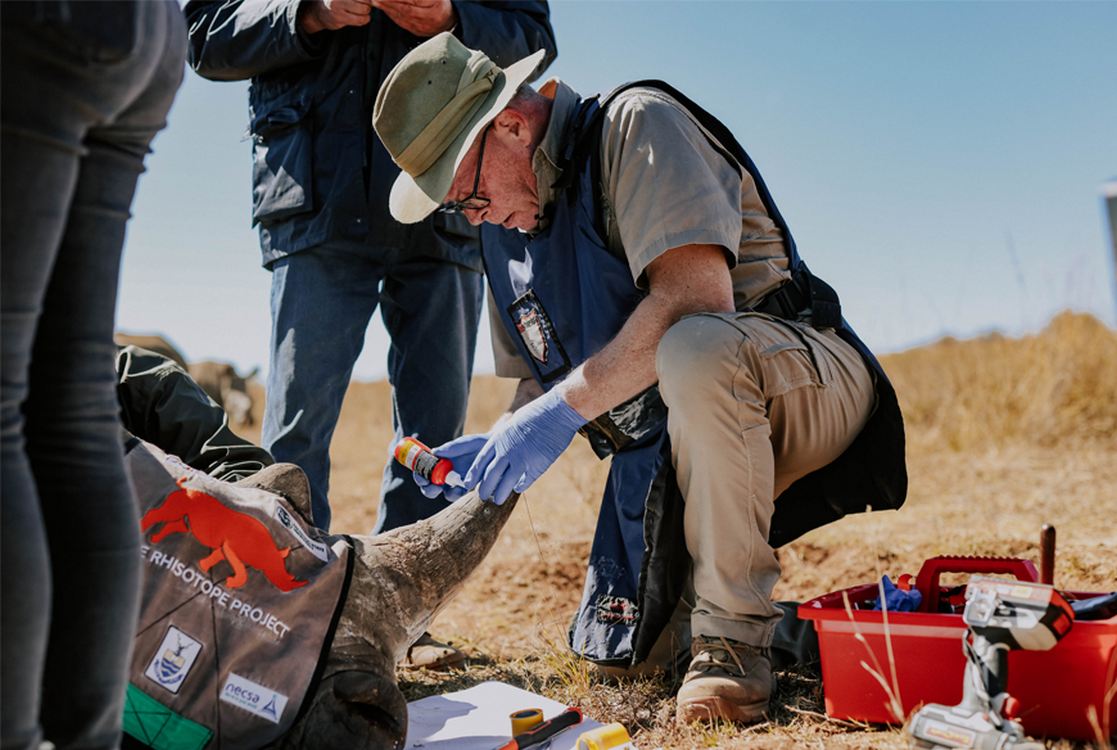
In a groundbreaking move to protect one of nature's most iconic species, South Africa is implementing an innovative strategy known as the Rhisotope Project, aimed at combating the illegal poaching of rhinos. This initiative, spanning six years in the making, involves embedding non-harmful radioactive isotopes into rhino horns, thus rendering them nearly impossible to traffic across international borders.
A New Approach to Conservation
The Rhisotope Project, spearheaded by the University of Witwatersrand-Johannesburg, seeks to provide a formidable solution to the rampant poaching that threatens both black and white rhinos. Classified as “Critically Endangered” and “Near Threatened” by the International Union for Conservation of Nature, these majestic creatures face unfortunate risks due to demand for their horns in illegal markets.
Scientific Assurance of Safety
Rigorous testing has shown that the isotopes implanted in the horns do not adversely affect the animals. Over a six-month period, 20 rhinos in a controlled environment were monitored for signs of cellular damage, and the results confirmed that the use of this technology is safe for the animals involved. Professor James Larkin, Chief Scientific Officer of the project, expressed his satisfaction with the research outcome, emphasizing the efficacy and safety of the method.
Future Prospects and Collaboration
With around 11,000 radiation detection machines already installed globally, the project stands poised for international collaboration to safeguard rhinos effectively. Jessica Babich, CEO of the Rhisotope Project, has indicated that they are seeking partnerships to enhance funding and expand their efforts, highlighting the importance of both public and private rhino populations.
A Vision for Preservation
The Rhisotope Project not only aims to protect the rhinos but also to enhance the broader ecological integrity of South Africa's diverse wildlife. With innovative strategies like these, conservationists express hope that future generations will continue to witness the grandeur of rhinos roaming their natural habitats. As Professor Larkin reflected, the transformative potential of this initiative may indeed mark a pivotal moment in wildlife preservation.

