Indian Stock Market Soars Amid Landmark Trade Agreement with the US
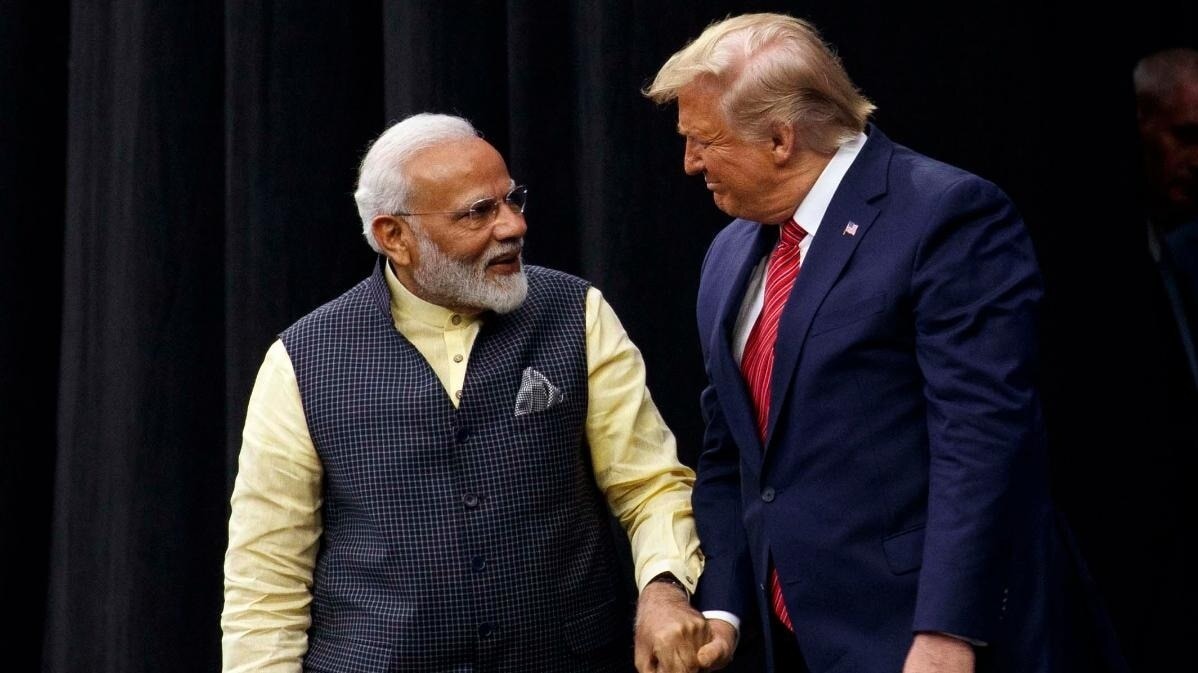
In a significant turn of events, benchmark stock market indices in India experienced a remarkable resurgence on Tuesday. The surge followed the announcement of a long-awaited trade agreement between India and the United States, which is poised to bring about substantial economic benefits. The Sensex skyrocketed over 2,500 points while the Nifty rose more than 700 points, sparking a widespread rally across various sectors of the economy.
A Game Changer for the Indian Economy
The recently finalized agreement dramatically reduces US tariffs on Indian goods from a substantial 50% to a more competitive 18%. This move not only alleviates one of the most significant uncertainties affecting investor sentiment but also positions India to emerge as a formidable player in the global market. Industry leaders are hailing the tariff cut as transformational, with analysts predicting a boost in India’s GDP growth to approximately 7.5% in fiscal year 2027.
Winners Across Multiple Sectors
Investment strategists believe that various sectors will benefit immensely from this deal. V.K. Vijayakumar, Chief Investment Strategist at Geojit Investments Limited, states that the agreement is a "game changer" that will impact both corporate earnings and macroeconomic stability. VWJ projects an acceleration in corporate earnings to between 16–18%, which could lead to an inflow of foreign investments, strengthening the rupee in the process.
Strategic Implications for Trade
The agreement is also pivotal for sectors such as textiles, gems, jewelry, and engineering goods, which are expected to reap immediate benefits from the reduced tariffs. According to Vikram Kasat, Head Advisory at PL Capital, India's new tariff of 18% places it in a more competitive position than key Asian nations like Bangladesh, Sri Lanka, Taiwan, and Vietnam, who all face higher tariffs on their exports to the US.
Stabilizing Influences on the Indian Economy
Furthermore, the removal of restrictions on Russian crude is expected to shift India's oil imports towards the US and Venezuela, which could lead to stabilized energy costs for businesses. Analysts suggest that this agreement not only enhances India's positioning in the global marketplace but also has the potential to normalize foreign investor relations, which have been strained due to geopolitical uncertainties.
As a result, the Indian stock market's response appears to signal more than just a brief rally—investors are optimistic about sustained upward momentum, fueled by improving foreign flows and a more robust macroeconomic environment. With the tariff uncertainty lifted, market experts are looking ahead to a period of renewed growth and investor interest, which could position India favorably in the global economic landscape.

