Incredible Discovery: The Himalayan Happy-Face Spider Unveiled!
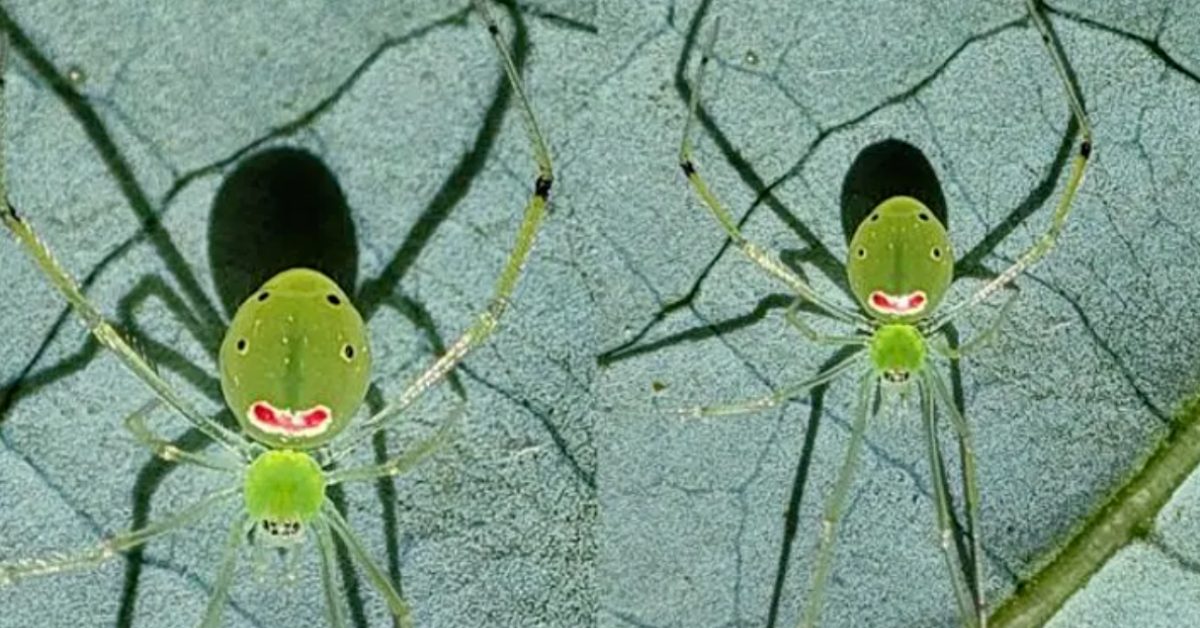
In a remarkable turn of events, two scientists from the Forest Research Institute and the Regional Museum of Natural History have made a groundbreaking discovery in the mountains of Uttarakhand, India. Originally focused on studying Himalayan forest ants, their serendipitous encounter led to the identification of a new spider species, delightfully named the Himalayan Happy-Face Spider.
A New Species with a Familiar Smile
The discovery unfolded when Devi Priyadarshini and her colleague Ashirwad Tripathy stumbled upon a spider that bore a striking resemblance to the well-known Hawaiian happy-face spider. This uncanny likeness, discovered amidst their ant survey, inspired an immediate shift in their research focus. "I froze in shock because I had seen the Hawaiian spider during my master's program," Priyadarshini remarked about the moment they recognized the spider's unique resemblance.
32 Vibrant Color Morphs
Published on April 24, 2023, the study introduced the Theridion himalayana, which showcases an astonishing variety of colors with 32 different morphs exhibiting cheerful faces in shades of red, black, and white. Significantly, this spider achieved such striking polymorphism completely independently from its Hawaiian counterpart, raising intriguing questions about evolution and adaptation.
New Frontiers in Research
The implications of this discovery go beyond mere identification. As Priyadarshini and Tripathy continue their investigations into the ecological relationships and evolutionary processes surrounding this spider, they open the door to explore the potential connections between species in the same niche. Their work not only adds to the biodiversity of the region but also provides vital insights into color polymorphism.
As they reflect on their journey, Tripathy expressed gratitude for their collaborative efforts, highlighting how nature consistently reveals surprises. This discovery is a testament to the unexplored wonders of the natural world and serves as an inspiring reminder of the continual advancements in scientific research.

