Incredible Comeback: Brown Hairstreak Butterfly Population Surges in South Wales
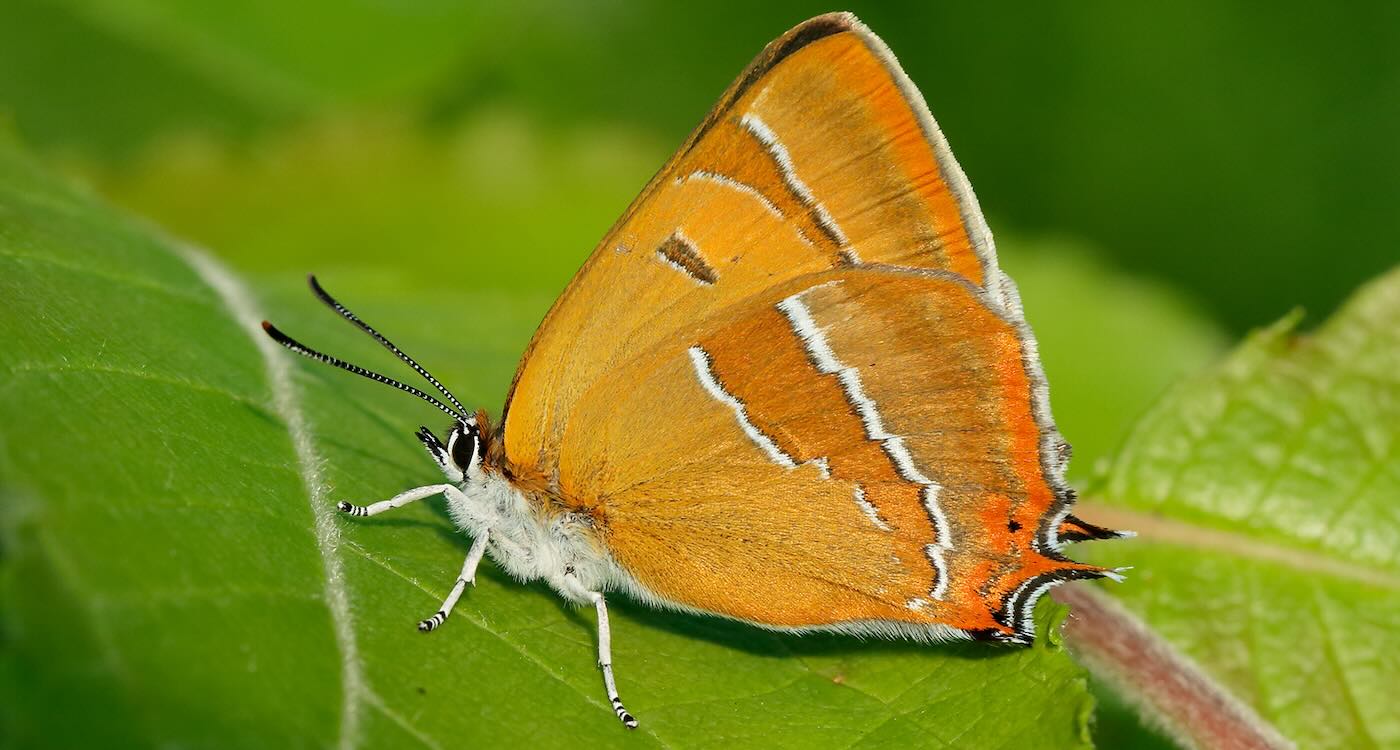
In a remarkable turn of events, the number of rare Brown Hairstreak butterfly eggs has experienced a significant increase in South Wales, thanks to efforts to allow hedgerows to grow wild. Volunteers from the UK nonprofit Butterfly Conservation have reported record tallies of these eggs in Carmarthenshire this winter, marking a hopeful sign of recovery for a species that has faced near extinction in the region.
A Decade of Heartache and Hope
The resurgence of the Brown Hairstreak in the Tywi valley comes after a decade of worrying decline, primarily due to the destruction of their natural habitat. Richard Smith, a dedicated volunteer with Butterfly Conservation for over 30 years, expressed optimism about the recent findings, stating, “After a decade of heartache for Brown Hairstreaks, there are finally signs of an upturn.” This resurgence is attributed to collaborative efforts from partner organizations that have taken steps to minimize the cutting of hedgerows, allowing the crucial blackthorn bush to flourish.
The Role of Community and Conservation
Since the butterfly species relies on the young shoots of the spiky blackthorn bush to lay their eggs, the reduction in habitat destruction has been pivotal. Richard Smith shared, “When we found a small remnant population in 2021, we initiated annual egg counts with support from the National Trust at Dinefwr and the South Wales Trunk Road Agency.” Their actions in protecting and planting blackthorn have borne fruit, resulting in a remarkable 50% increase in egg counts on protected land this winter alone.
A Call to Action for Landowners
As spring approaches, the message from Butterfly Conservation is clear: less can mean more for biodiversity. Dan Hoare, the organization's Director of Nature Recovery, has encouraged more landowners to adopt a lighter touch when it comes to hedgerow management. He emphasized, “If hedgerows are only trimmed once every two years, or even every three years, it could make an enormous difference to the survival of the Brown Hairstreak and help many other species.”
This news serves not only as an uplifting story of wildlife recovery but also as a reminder of the impact small changes in land management can have on the environment. The success of the Brown Hairstreak could inspire a wider movement towards sustainable practices that foster biodiversity and support other endangered species.
For nature lovers and conservationists, this serves as a call to celebrate the small victories while encouraging positive changes that can yield substantial benefits for wildlife.

