How the Super Bowl Became a Model for Sustainability
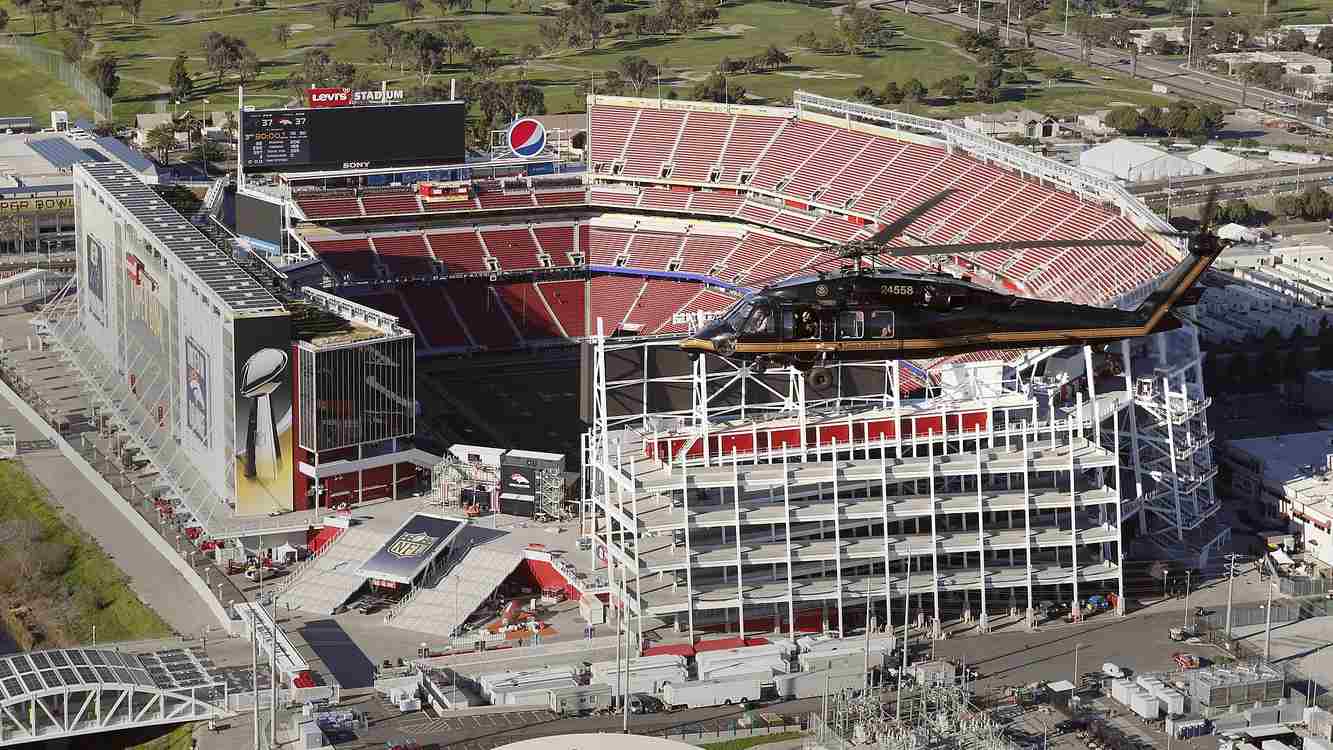
The Super Bowl is not just a showcase of athletic prowess and entertainment; it is also setting the standard for sustainability within large-scale events. In a commendable partnership, the NFL and ENGIE Impact have demonstrated how significant sporting events can operate with minimal environmental impact, offering a hopeful glimpse into the future of event management.
A Focus on Carbon Neutrality
The collaboration between the NFL and ENGIE Impact illustrates a robust commitment to reducing carbon emissions. For this year’s Super Bowl, the event organizers ensured that all emissions were offset, showcasing a significant effort to recycle stadium waste and utilize renewable energy sources. This initiative echoes the success of previous events and sets a new benchmark for future Super Bowls.
Waste Management Success
One remarkable achievement from the event was the recovery of 250 tons of materials, a five-fold increase compared to past events. This not only included waste but also reusable items that could benefit the local community. The event's focus on sustainability extended beyond just disposing of trash; it included a well-thought-out waste management system that encourages fans to participate actively.
Community-Driven Donations
ENGIE’s director, Ryan Schlar, highlighted various creative steps taken during the event, such as donating materials like fence mesh to local parks and leftover carpets to schools. These initiatives underline the importance of repurposing materials and giving back to the community, enhancing the overall impact of the Super Bowl as a socially responsible event.
Green Innovations at Levi’s Stadium
Levi’s Stadium has implemented critical advancements in sustainability, boasting nearly complete reliance on solar power for its operations. Schlar noted the use of biodiesel in diesel generators for climate control, showcasing a commitment to reducing emissions. The proactive approach to sustainability management at Levi’s Stadium not only supports current events but also prepares for future challenges, such as the upcoming FIFA World Cup.
The proactive measures taken during the Super Bowl demonstrate that sporting events can lead the way in sustainability and community support. As these initiatives show promise, they pave the way for others to follow, encouraging a movement toward greener practices in event management across various sectors.

