How the Netherlands is Raising the Happiest Children in the Developed World
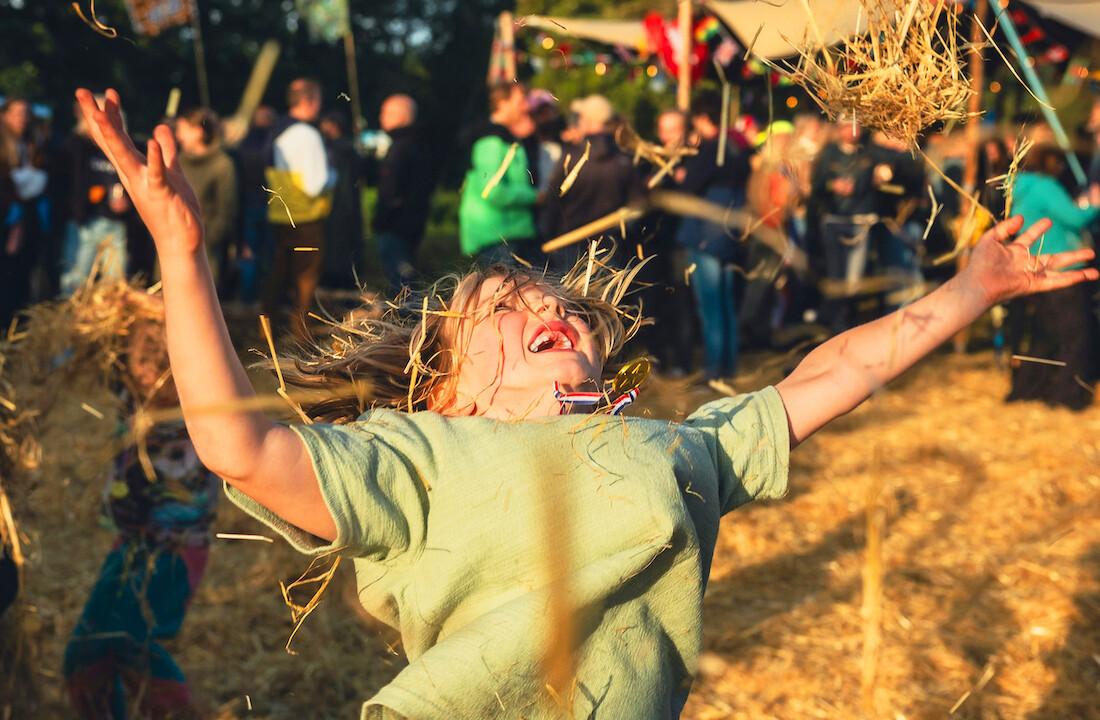
Recent studies reveal that Dutch children consistently rank as the happiest kids in the developed world, raising the question: what factors contribute to this remarkable and uplifting phenomenon? The Netherlands, recognized for its high bicycle-to-person ratio and strong social support systems, showcases a unique blend of cultural and familial structures that foster child well-being.
The Power of Cycling
Cycling is more than just a mode of transport in the Netherlands; it symbolizes freedom for children. From a young age, children are encouraged to bike to school, promoting independence and self-reliance. This cultural norm, where parents are seen as supportive rather than overprotective, contributes significantly to children's happiness and sense of autonomy.
Strong Social Relationships
According to Dr. Margreet de Looze, a social science scholar at Utrecht University, Dutch children excel in their social relationships. The support from family, friends, and teachers creates a strong foundation for their emotional development. In addition, the part-time work culture allows parents to engage more with their children, enhancing family connections and further boosting happiness levels.
A Liberal and Open Environment
The socially liberal environment of the Netherlands encourages open communication around complex issues. Unlike many countries where drugs are present but not openly discussed, Dutch parents and schools engage children in dialogue about their realities, teaching them to navigate life's challenges wisely. This proactive approach fosters responsible decision-making and helps reduce instances of drug-related problems among youth.
Inclusive Cultural Education
Organizations like the Knowledge Center for Cultural Education Rotterdam emphasize the importance of cultural education as part of a child's development. By encouraging children to express their own thoughts and experiences, they learn to appreciate their individuality while building confidence and judgment. The diverse activities offered across the country stimulate imaginations and contribute to a comprehensive educational experience.
Community Support and Empowerment
Despite its successes, challenges remain. Places like the Dynamo Youth Center in Amsterdam exemplify the necessary support systems for young people facing social isolation or economic difficulties. These centers provide a safe environment for youth to create and socialize, highlighting the importance of community in nurturing the next generation.
As the Netherlands continues to rank high in child happiness and well-being, it serves as a model for other nations. The combination of strong family ties, social equality, and an encouraging cultural environment presents a blueprint for fostering happy and resilient children in today's world. While there are still hurdles to overcome, the current landscape in the Netherlands shows that positive change is possible with the right structures in place.

