How the Great Lakes' Ice Coverage is Bringing Relief and Economic Opportunities
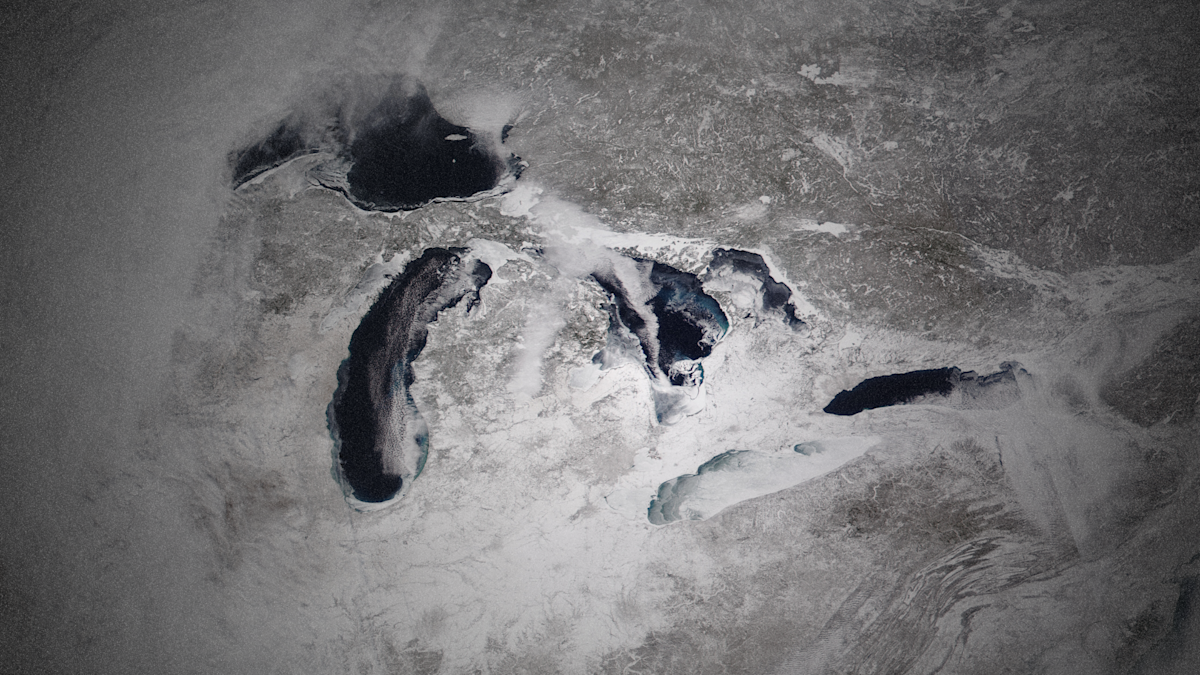
The recent bitter cold temperatures sweeping across the Great Lakes have inadvertently ushered in a wave of positive developments for local communities. As the lakes gradually freeze over, residents are beginning to see a decrease in the heavy snowfall that has characterized this winter.
Relief from Record Snowfall
After weeks of intense cold, ice coverage on the Great Lakes has surged from a mere 15.5% to an impressive 56% within just three weeks. This transformation is particularly evident in areas like Lake Erie, which boasts nearly 96% ice coverage. The freezing of lake surfaces is increasingly good news for residents who have been buried under heavy snow since the season began.
The significant formation of ice is effective at cutting off lake-effect snow, which occurs when cold winds blow over warmer lake waters, resulting in heavy snowfall. While the season for such snowfall is not entirely over, the increasing ice formation will likely diminish the intensity of these snow events in many areas.
Economic Benefits for Local Communities
Beyond the immediate relief from snowfall, the growing ice coverage holds beneficial implications for the local economy. Lakeside communities in Ontario will see enhanced opportunities for ice fishing and recreational sports, attracting both residents and visitors looking to enjoy winter activities. This positive shift is essential for local businesses that depend on winter tourism.
Moreover, research suggests that a healthy ice cover can help mitigate wave activity in the Great Lakes, thereby protecting aquatic ecosystems from disruption. As locals celebrate the benefits of a well-frozen lake, the significant ice buildup stands to support both the environment and the local economy simultaneously.
In summary, while the winter has brought challenges, the freezing temperatures and resulting ice coverage across the Great Lakes are now presenting exciting avenues for community engagement and economic growth.

