How the Great Lakes' Ice Cover Brings Hope for Communities
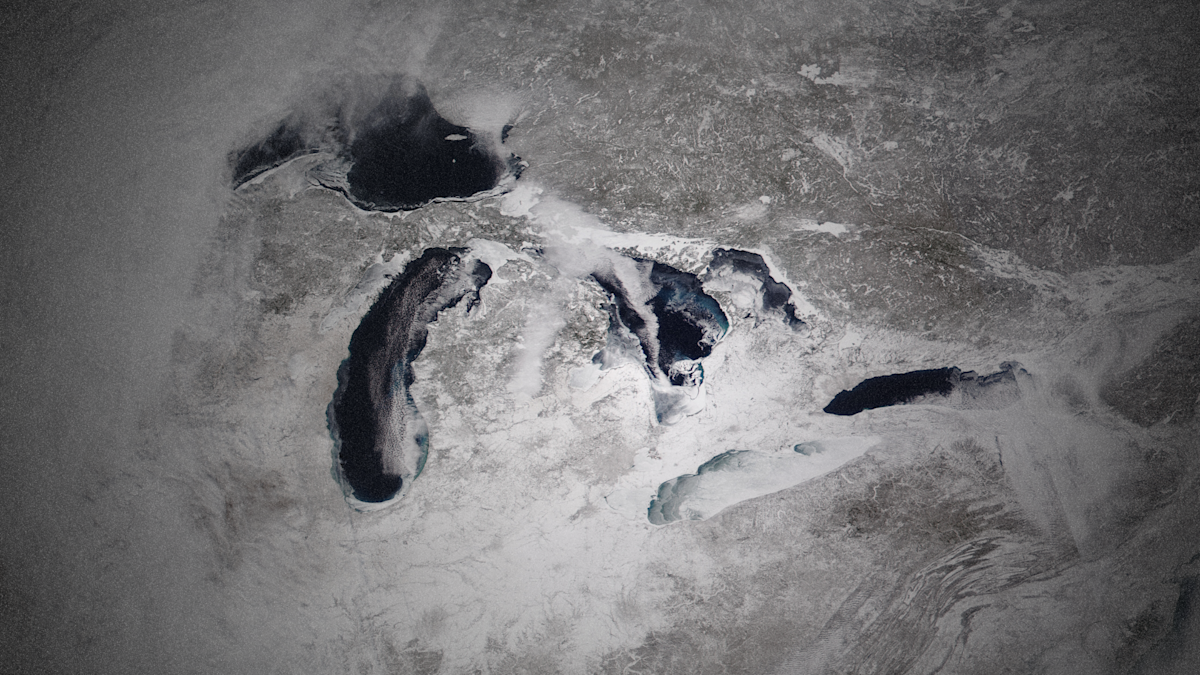
The harsh winter has brought a surprising boon to communities around the Great Lakes. Following weeks of extremely cold temperatures, the lakes are experiencing significant ice coverage, a development that may alleviate the burdens of heavy snowfall for many residents.
Impact of Ice Coverage
As of early February, the Great Lakes region reported a remarkable 56.0 percent ice coverage, a steep increase from just 15.5 percent three weeks prior. This change indicates a shift in weather patterns that could provide relief from the relentless lake-effect snow that has plagued many cities throughout the winter months.
Benefits for Local Communities
Communities near the Great Lakes, including Toronto and Sault Ste. Marie, have faced unyielding snow accumulation this season. The freezing temperatures and resulting ice cover will diminish the intensity of lake-effect snowfall, thereby lessening the pressure on local infrastructure and services. This can provide much-needed respite for those who have been struggling under significant snow loads.
Economic and Ecological Advantages
Beyond reducing snowfall, the robust ice cover brings additional benefits to the local economy. Ice fishing and other recreational winter sports are set to thrive, attracting both residents and visitors to the region’s frozen landscapes. Furthermore, studies indicate that ice coverage can help stabilize aquatic ecosystems by reducing disruptive wave activity, which can be a concern for sustaining fish populations and other wildlife.
In conclusion, while the bitter cold may be challenging for some, the ice coverage across the Great Lakes serves as a silver lining, promising both community relief from snow burdens and economic opportunities for outdoor activities. As local residents navigate the complexities of winter, the current conditions may offer a welcome change in the ongoing battle against snow and cold.