How McKinney, Texas, Transformed Cardiac Emergency Response and Saved Lives
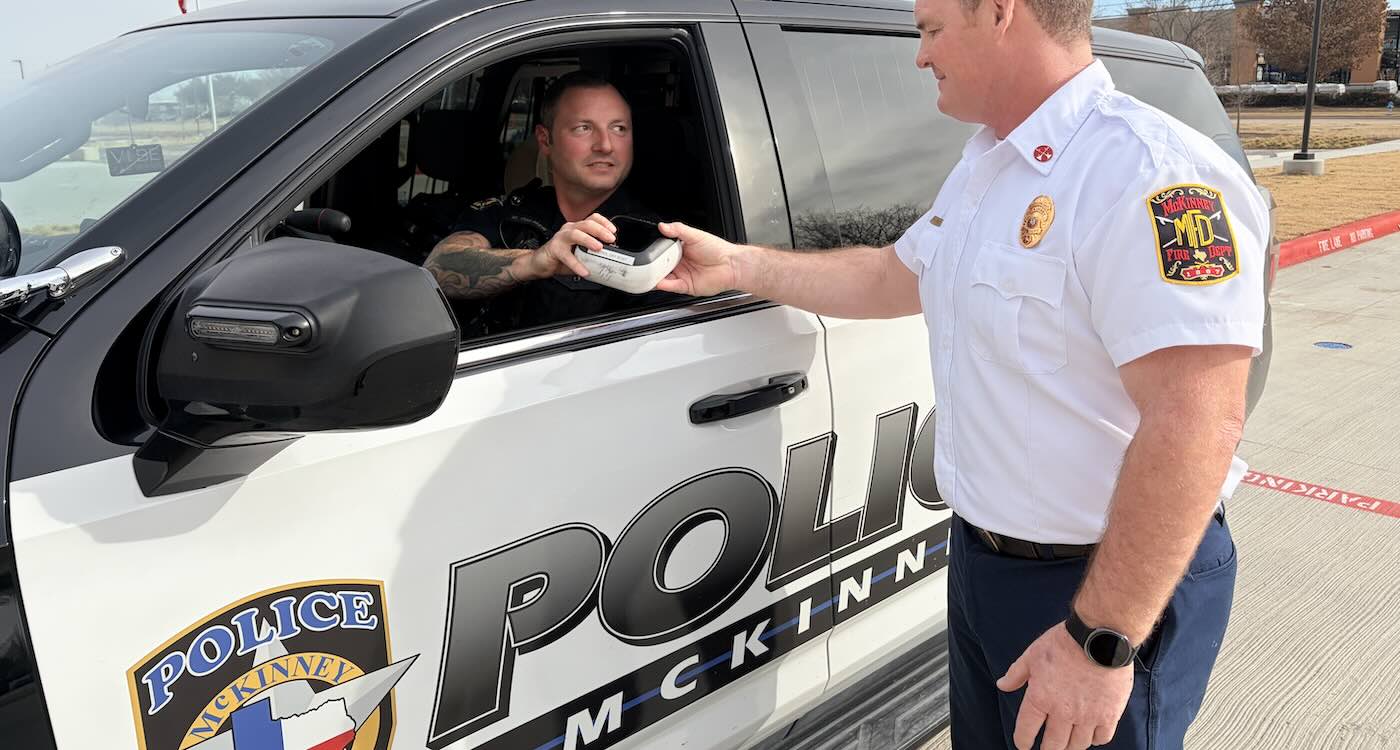
In a remarkable turnaround, the city of McKinney, Texas, has made a significant leap in cardiac arrest survival rates thanks to a collaborative effort among its fire department, police department, and engaged citizens. Over a two-year period, the survival rate for cardiac arrest patients in McKinney has escalated from a mere 10 percent to an impressive 47 percent—a figure that surpasses the national average of 30 percent and approaches the leading survival rate of 50 percent in Seattle.
A Revolutionary Approach to Emergency Response
McKinney's cardiac program began when Fire Battalion Chief Ben Jones introduced training based on the acclaimed “chain of survival” model applied in Seattle. This model emphasizes rapid recognition of cardiac events, immediate CPR, quick access to automated external defibrillators (AEDs), and efficient transportation of patients. With every minute of delay reducing the chance of survival by 10 percent, this initiative has proven essential.
Transforming the Community into a Lifesaving Network
The city’s efforts included the installation of over 80 AEDs in various police vehicles and the launch of a Neighborhood Heroes campaign, aiming to deploy 200 additional AEDs throughout the community. This campaign encourages citizens to take on the role of first responders during cardiac emergencies, reinforcing the idea that lifesaving moments can occur within minutes when equipped with the right tools.
Inspiring Results and Community Engagement
As a direct result of this initiative, nine McKinney residents were revived in the past year alone, highlighting the program's effectiveness and the importance of community involvement. Police officers, initially skeptical of the program, have become staunch advocates after witnessing the positive outcomes of their training and intervention, further enhancing the community's commitment to lifesaving measures.
A Model for Others to Follow
The American Heart Association has recognized McKinney's innovative approach by selecting the city's model for its Heart Health Month campaign this March. As McKinney continues to push the envelope in emergency response, other cities are encouraged to adopt similar programs, fostering a nationwide shift towards improved cardiac care.
With McKinney leading the way, the message is clear: community engagement, strategic partnerships, and the right resources can dramatically improve survival rates in cardiac emergencies, fostering a healthier and more resilient society.

