How McKinney, Texas, is Leading the Charge in Cardiac Arrest Survival Rates
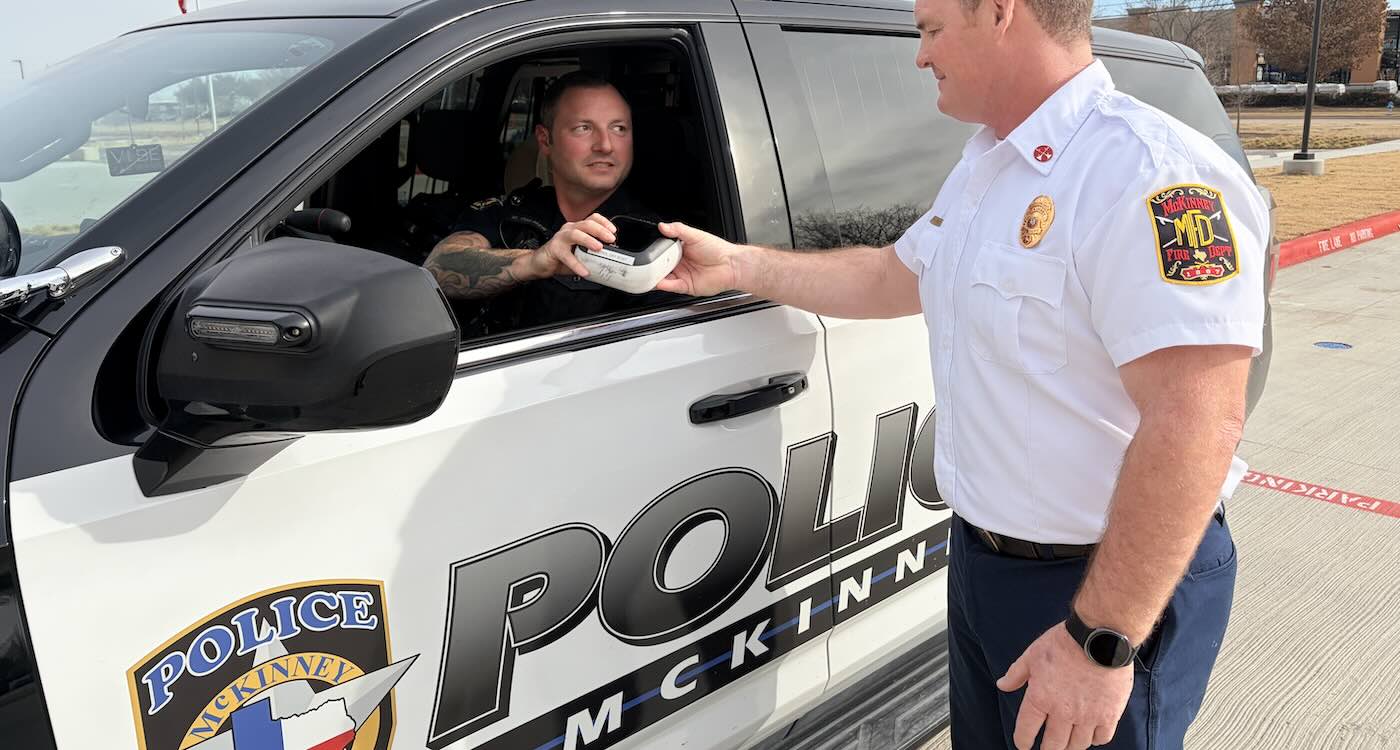
In an inspiring display of community collaboration, McKinney, Texas, has drastically improved its cardiac arrest survival rates, transforming from an average of just 10 percent two years ago to an impressive 47 percent today. This remarkable achievement has been made possible through a dedicated partnership between the McKinney Fire Department, the McKinney Police Department, and the citizens themselves.
A Proven Strategy for Saving Lives
The advancements in survival rates can be traced back to a strategy inspired by successful methods from Seattle, where the city’s emergency services prioritize a “chain of survival.” This approach includes rapid recognition of cardiac events, immediate CPR, swift access to automated external defibrillators (AEDs), and quick transportation to medical facilities. Recognizing the importance of prompt care, the city has embraced these principles, leading to a community-wide cultural shift in emergency response.
Expanding Lifesaving Resources
The initiative further includes the ambitious goal of transforming McKinney into one of the nation’s first “4-Minute Cities.” This plan ensures that an AED is never more than four minutes away during a cardiac event, significantly enhancing the chances of survival. With more than 80 AEDs already installed across various police vehicles, and an upcoming deployment of 200 more through the Neighborhood Heroes campaign, residents will be more equipped than ever to act as first responders.
Community Empowerment and Recognition
McKinney’s efforts have not gone unnoticed. The American Heart Association is featuring the McKinney Fire Department’s innovative “4-Minute City” model as part of its Heart Health Month campaign. Such recognition is a testament to the city’s commitment to improving community health and safety. Furthermore, the success stories are profound; last year alone, nine residents were revived from cardiac arrest due to these initiatives, further solidifying the importance of public awareness and training.
This transformation exemplifies the power of collaboration—where initial skepticism has turned into belief and enthusiasm among both police and fire departments. As Fire Chief Paul Dow aptly puts it, “We want to have these AEDs everywhere in the community,” highlighting a forward-thinking approach that other cities can aspire to emulate.

