How McKinney, Texas, is Leading a Life-Saving Revolution in Cardiac Care
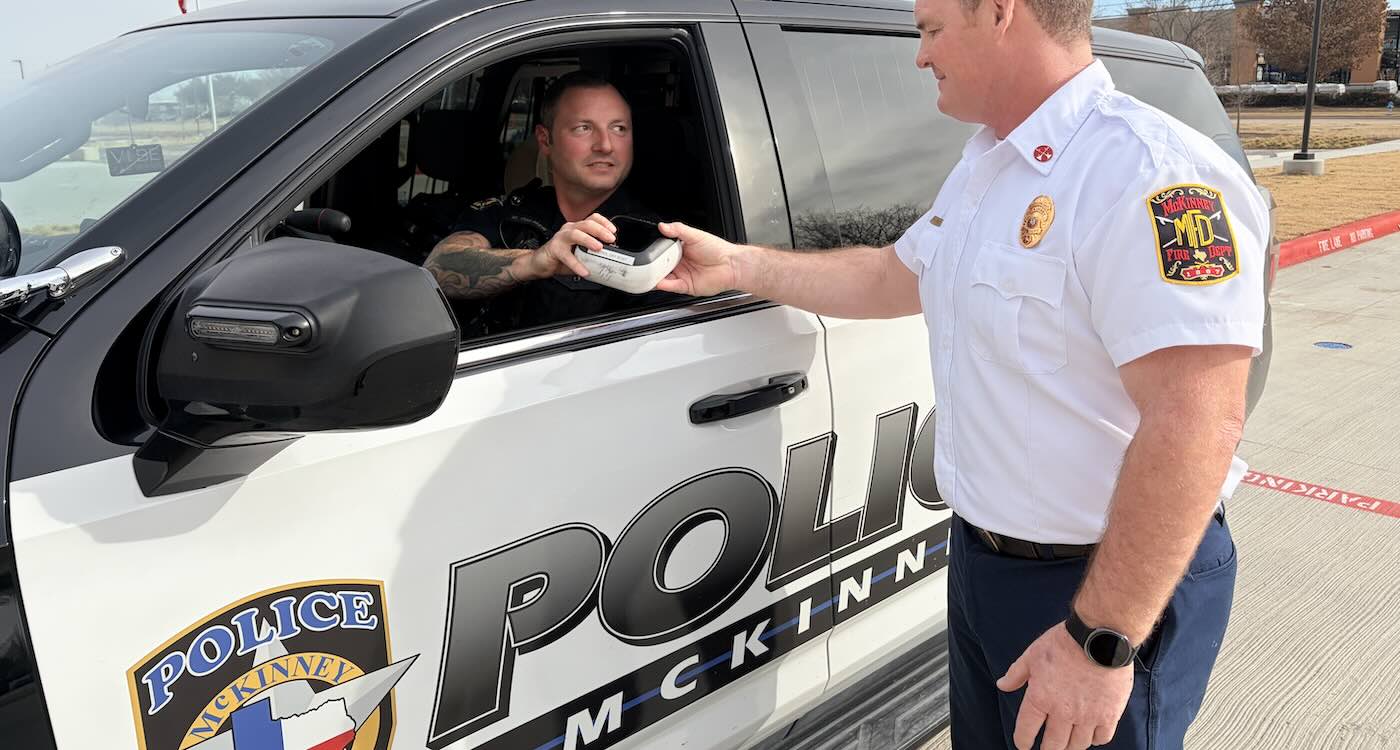
In a remarkable transformation over the past two years, the city of McKinney, Texas, has dramatically enhanced its cardiac arrest survival rates through a pioneering collaboration between its fire and police departments. Once grappling with a mere 10 percent survival rate—similar to many cities across the United States—McKinney has seen this figure soar to an impressive 47 percent.
A Collaborative Approach to Cardiac Emergencies
This significant achievement is attributed to a dedicated partnership that took inspiration from successful practices in Seattle. The program has resulted in a success rate well above the national average of 30 percent, bringing McKinney closer to Seattle's leading survival rate of 50 percent. Central to this success is the installation of automated external defibrillators (AEDs) across neighborhoods, which aims to minimize response times in emergency situations.
Becoming a '4-Minute City'
In a groundbreaking initiative, McKinney is working towards becoming one of the nation’s first “4-Minute Cities,” ensuring that an AED is always within four minutes' reach in case of a cardiac event. Fire Battalion Chief Ben Jones initiated this transformation when he took a team to train at the Resuscitation Academy in Seattle. The comprehensive plan encompasses critical aspects of the 'chain of survival,' including rapid recognition of cardiac arrest, immediate CPR, fast access to AEDs, and efficient transport to medical facilities.
Community Engagement and Future Plans
Recently, McKinney has installed over 80 AEDs in various police vehicles and is launching a new Neighborhood Heroes campaign to deploy an additional 200 AEDs. This initiative empowers residents to act as first responders during emergencies, fostering a culture of community safety and solidarity. The transformation has not only improved survival rates but also instilled a life-saving mindset among local police and fire personnel.
As Fire Chief Paul Dow noted, this initiative has ignited a change in perspective among police officers, encouraging them to embrace their role in community health. The American Heart Association has also recognized McKinney's efforts, selecting its “4-Minute City” model to highlight community-based resuscitation during Heart Health Month.
This inspiring model not only serves as a blueprint for other cities but also emphasizes the importance of every second in a cardiac emergency. McKinney is not just saving lives; it is leading the way for others to follow. As communities nationwide look to improve their response to cardiac emergencies, McKinney's initiative stands as a beacon of hope and a testament to what can be achieved through teamwork and proactive planning.

