How a “Ridiculous Idea” Helped Save a Rhino's Vision in Zimbabwe
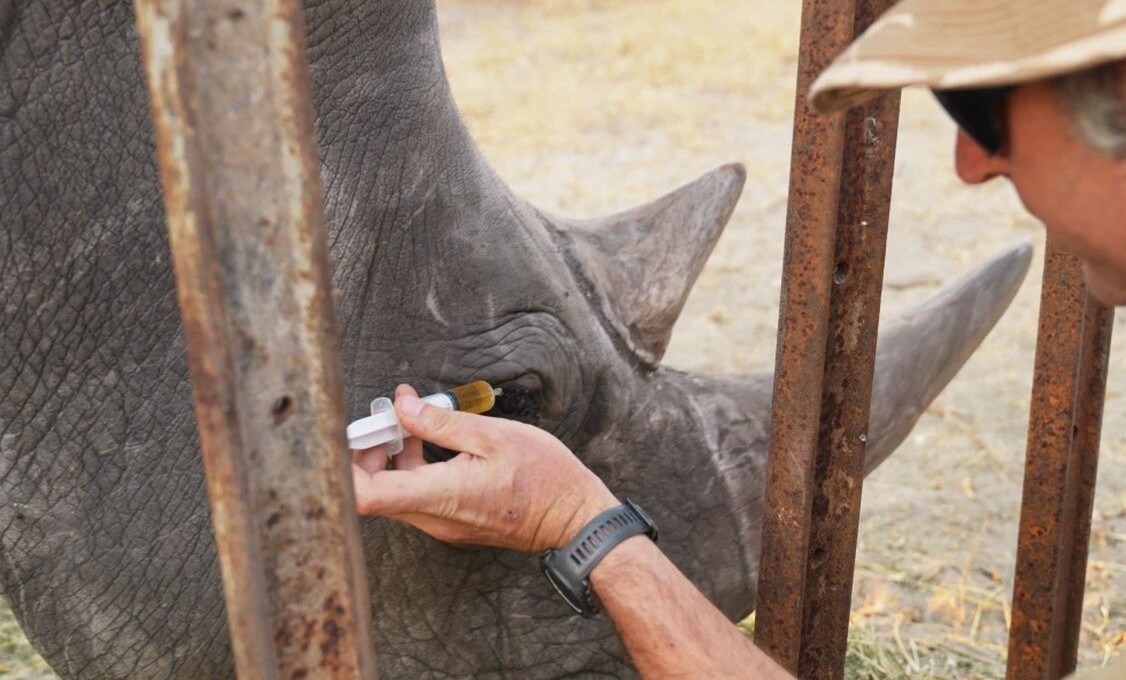
A Florida zoo team recently made headlines with their unconventional approach to saving a white rhino suffering from a dire parasitic eye infection in Zimbabwe. This inspiring story showcases the lengths to which animal conservationists will go to ensure the health and well-being of wildlife.
The Daring Rescue Mission
The Palm Beach Zoo & Conservation Society was called upon by local officials after it became evident that a male rhino named Thunza was on the brink of losing his sight due to severe eye injuries. The situation was critical, with bleeding eyes and a risk of complete blindness. Responding to the urgent plea for help, zoo CEO Margo McKnight and a team of animal behaviorists arrived in the Hwange National Park area, where a Community Rhino Conservation Initiative aimed to reintroduce the southern white rhino subspecies to communal lands.
Innovation in Caregiving
The dedicated team proposed a solution that, at first glance, seemed far-fetched: to gain the trust of the rhino much like one would with domestic animals. Using a method developed for their own zoo animals, they planned to desensitize the rhino to their presence, making it more comfortable for Thunza to receive the necessary treatment. The innovative approach involved using Thunza’s favorite food to lure him into corrals, gradually introducing human interaction through gentle techniques.
A Success Story
Within just two weeks, the team witnessed remarkable progress. Thunza became accustomed to their presence and allowed the caregivers to administer eye drops directly into his infected eye. The initiative not only enhanced Thunza's chance of recovery but also empowered local security personnel to continue his care if necessary. The excitement among the team was palpable as they realized the potential impact of their efforts on Thunza’s long-term health and safety.
The southern white rhino, the most populous of its species, remains at risk from poaching, but initiatives like these offer a renewed sense of hope for the future of rhinos in Africa. This story reminds us of the importance of innovative thinking and collaboration in conservation efforts—sometimes, what seems like a ridiculous idea can lead to extraordinary outcomes.

