How a Revolutionary Olive Tree Replanting Movement is Restoring Hope in Palestine
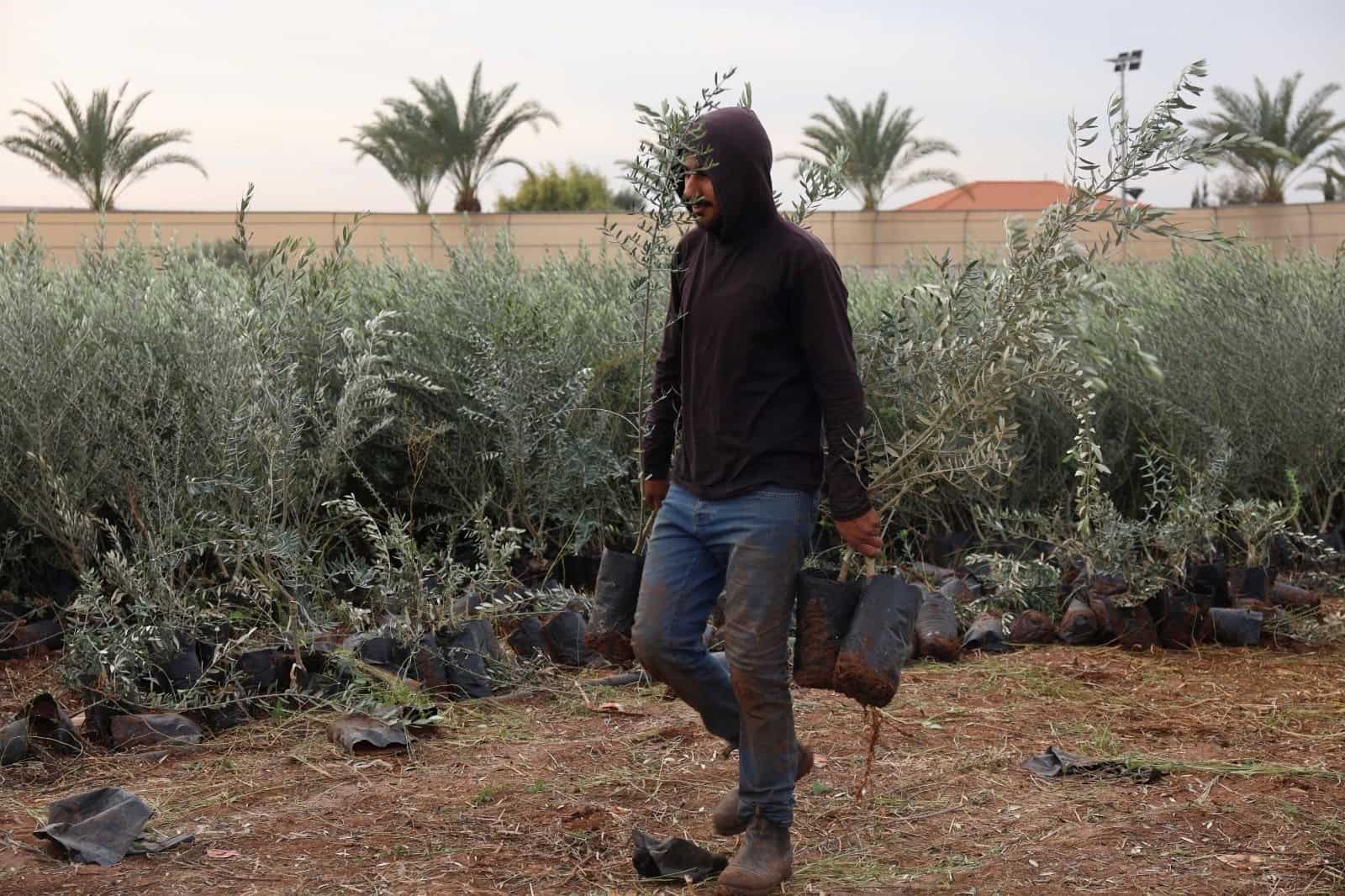
In a heartwarming display of resilience and community spirit, a burgeoning olive tree replanting initiative in rural Palestine is revitalizing the hope and livelihoods of local farmers. This movement is marked by the widespread planting of olive saplings across the West Bank, a region deeply affected by conflict and displacement.
Renewing Food and Identity
The initiative, backed by the UK-based fair trade company Zaytoun, has resulted in tens of thousands of olive saplings taking root in the region. For centuries, olive trees have been a vital source of sustenance and cultural identity for Palestinian communities, symbolizing resistance amidst ongoing challenges. Since 1967, the loss of an estimated one million olive trees due to land seizures has underscored the struggle of local farmers, with around 25,000 families forced away from their olive farms.
Planting Seeds of the Future
The Palestine Fair Trade Association (PFTA) has spearheaded efforts to rejuvenate livelihoods and landscapes through its transformative 'Trees for Life' program. This initiative, active since 2006, aims to replace lost olive, carob, fig, and almond groves while promoting regenerative farming practices. With the supply of landrace seeds and a focus on intercropping with plants like fava beans and peas, the program enhances soil health and supports sustainable farming.
A Glimpse of Optimism
The fruits of this labor may take time, as olive trees take years to mature and bear fruit. However, for farmers, the act of planting offers immediate joy and a renewed sense of purpose. Zaytoun's Palestinian director, Taysir Arbasim, shares the uplifting sentiment, stating, “You can see the happiness in their eyes. Olive trees are considered part of the family, so it’s like getting a new family member.” This generational approach to farming underscores a commitment to future hope and food security.
As the 2025-2026 planting season approaches, community support remains robust, with donations surpassing £190,000, enough to fund an impressive 40,000 new saplings. This ongoing support serves not just to replace trees but to strengthen the connection between farmers and their land, presenting agriculture as both a vital resource and an act of cultural resistance.
In an era where challenges are plentiful, the olive tree replanting movement stands out as a beacon of hope, illustrating the power of community engagement and sustainable practices. The message is clear: through nurturing the land, Palestinians assert their rights and bolster their communities while planting seeds of hope for generations to come.

