How a Major Energy Deal Could Revolutionize New Zealand's Grocery Sector
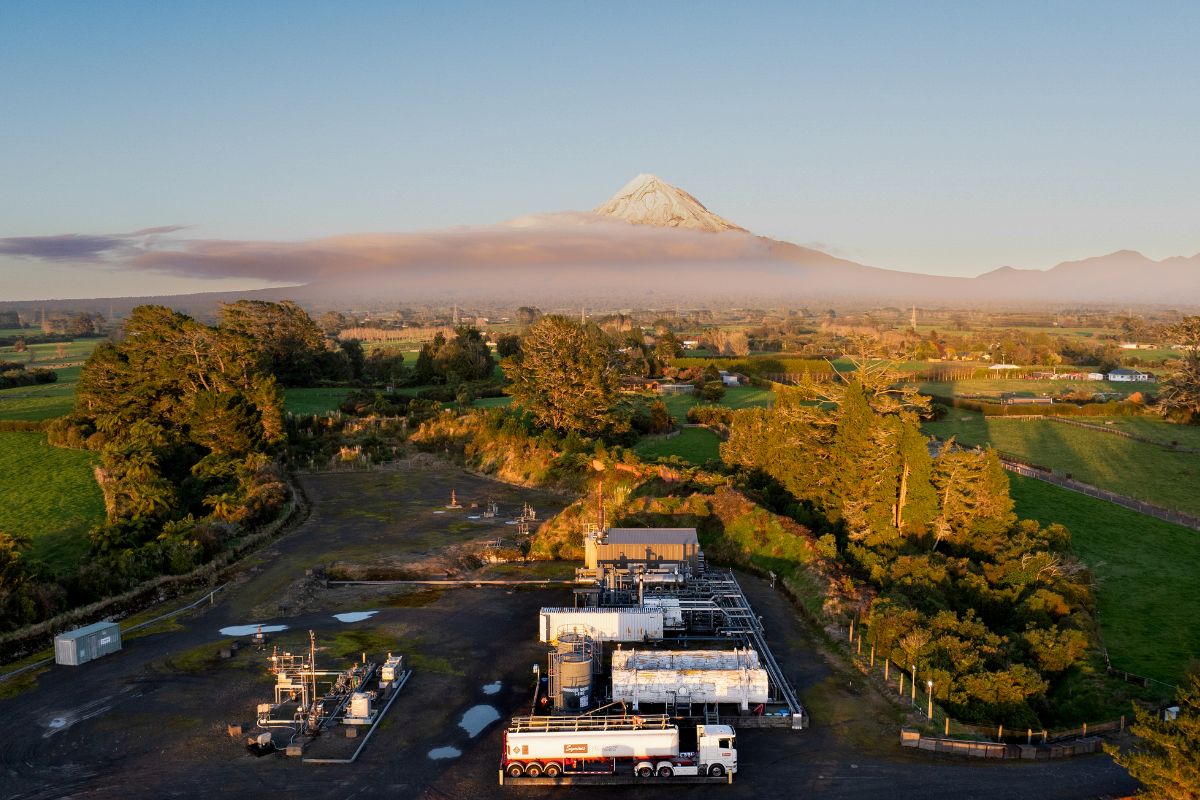
The recent sale of Matahio Energy’s New Zealand assets to Sunda Energy sets the stage for significant positive changes in the grocery and supermarket industry. This acquisition not only marks a pivotal move in the energy sector but also promises downstream benefits that could enhance supply chain stability and reduce costs.
Investment in Energy Infrastructure
With Sunda Energy acquiring established onshore assets in Taranaki—including key producing fields and an exploration permit—the integration into New Zealand’s existing energy infrastructure is commendable. Resources Minister Shane Jones emphasized that this transaction signals growing international confidence in New Zealand's energy capabilities, which is crucial for local businesses seeking a dependable energy supply.
Impact on Grocery Sector
The uptick in domestic energy production could mitigate the pressures caused by volatility in global oil markets. Higher freight costs have already squeezed grocery margins, leading to increased shelf prices. By ensuring a more predictable cost environment for logistics and distribution, the deal could potentially reduce operational costs for grocery retailers and, by extension, contribute to lower prices for consumers.
Strengthening Supply Chains
Importantly, the deal's implications extend beyond energy. Improved reliability in gas supply is particularly beneficial for food manufacturers that supply supermarkets. Gas serves as a vital input for various processing operations, including dairy, baking, and prepared foods. Enhanced supply reliability could directly affect production costs, leading to more consistent outputs.
The Regional Perspective
Taranaki’s central role in both energy and food manufacturing makes this investment all the more strategic. By bolstering the region's energy production, the deal supports the broader ecosystem—benefitting suppliers, processors, and logistics providers that are integral to the grocery sector’s function.
In conclusion, if approved, this energy transaction will not only mark a significant milestone for the energy sector but also serve as a stabilizing force for industries heavily reliant on consistent, affordable energy. This could be just what the supermarket industry needs to navigate the challenges of supply chain disruptions and cost volatility effectively.

