Hope on the Horizon: Positive Developments in Strait of Hormuz Negotiations
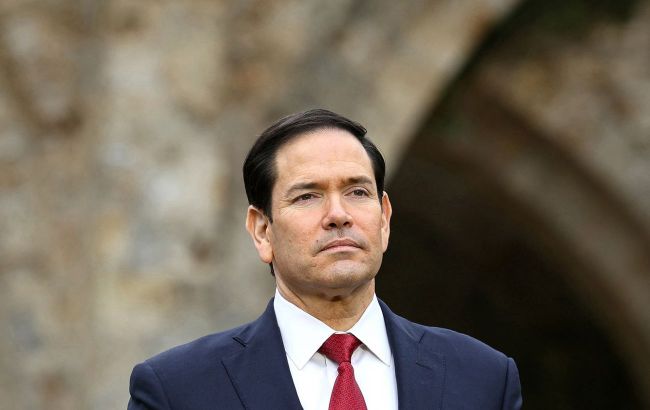
In a promising turn of events, US Secretary of State Marco Rubio recently hinted at significant progress in the ongoing negotiations concerning the contentious Strait of Hormuz. Speaking from India, Rubio expressed optimism about potential updates expected soon, stating, "I do think there's some good news on that front, but not final news." His comments came amidst intensified dialogues between the United States and Iran, aimed at reaching a peaceful resolution.
Progress Reported in Negotiations
Rubio emphasized that although challenges remain, strides have been made in the negotiations, particularly in the past 48 hours. "Some progress has been made," he noted, while also cautioning that further work is necessary for a satisfactory outcome. The implications of these discussions are profound, especially considering the significance of the Strait of Hormuz in global oil and gas transportation. Should an agreement be finalized, it promises to ensure uninterrupted access to this critical artery, which has been a focal point of international tension in recent years.
Looking Towards the Future
Rubio's commitment to working alongside partners in Gulf nations underlines the collaborative approach necessary for a resolution. Iranian officials, including Foreign Ministry spokesperson Esmaeil Baghaei, have indicated a willingness to engage in talks concerning a memorandum of understanding, representing an initial step toward a broader agreement. In the coming days, a clearer framework for cooperation might emerge, fostering an environment conducive to peace.
This positive development highlights a crucial moment in diplomatic relations, suggesting that engagement might pave the way for lasting stability in the region. As the international community watches these discussions closely, the potential for a renewed commitment to dialogue offers hope for resolving longstanding conflicts.

