
Hope for Change: Afghan Girls Call for Education as Islamic Emirate Marks Sixth Year in Power
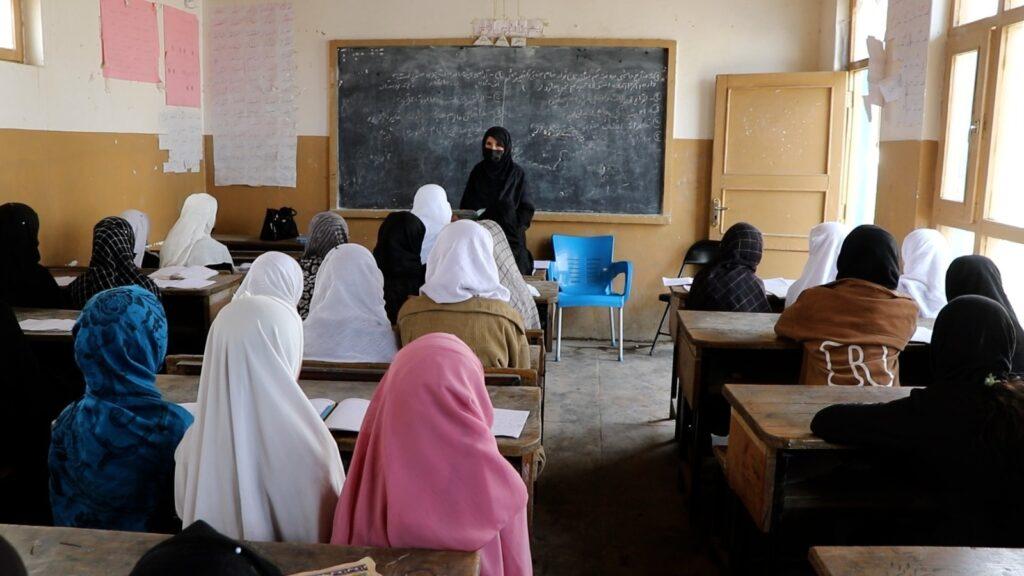
As the Islamic Emirate of Afghanistan enters its sixth year of governance, the voices of young women yearning for education grow louder. A growing number of girls who have been deprived of schooling and higher education are urging authorities to take decisive action and allow them to return to classrooms and universities. These determined young women emphasize their commitment to abide by Islamic principles, specifically the observance of hijab, as they pursue their dreams of education.
A Call for Educational Opportunities
Stories of resilience from these young women highlight their unwavering hope for the future. Yalda Ahmadzai, a Kabul resident who was a dedicated eighth-grade student before education for girls was halted, expressed her deep desire to return to school. She maintains her books and dreams of one day sitting in a classroom again. Yalda makes a respectful appeal to the authorities, stating that after five years, the time has come to lift restrictions on their education.
Another young woman, Hajera, who completed 11 years of schooling, remains hopeful for educational opportunities despite setbacks. She believes that the society needs educated women just as much as it needs educated men. "Years of interruption are not a short period for a girl. I hope the Islamic Emirate will end our long wait and allow us to return to school," she said, highlighting the significance of female education in various professional fields.
An Academic Future Within Islamic Framework
These women are not only advocating for their rights to education but are also willing to align their educational pursuits with Islamic principles. Nabila, a once-promising student at the Faculty of Stomatology, conveys her readiness to study while observing Islamic hijab. Her conviction is clear: “Completely closing universities is not a solution because the country also needs educated and skilled women.”
Mahera Rahimi, another passionate advocate for girls' education, underscores that hijab has never been an obstacle for her studies. She, along with her peers, has consistently engaged in academic pursuits while adhering to Islamic values. "We want an environment where hijab, security, Islamic and cultural values are observed, while also providing us with educational opportunities," she adds fervently, calling for female teachers and educational policies that foster a supportive learning environment.
The Path Forward: Educational Experts Weigh In
The call for educational reform resonates not only with the girls but also with experts in the field. Tafsir Siyahpush, a professor of law and political science, emphasizes that the pursuit of knowledge is a fundamental obligation in Islam. He expresses his hope that the Islamic Emirate will soon recognize the educational aspirations of young women and reopen schools and universities in accordance with Sharia.
As discussions surrounding the importance of girls’ education continue, experts warn that continued deprivation can lead to dire socio-economic consequences. Jamaluddin Soleimani, an education analyst, notes that without skilled female professionals, Afghanistan could face significant challenges in healthcare and social services, impacting the overall progress of the nation.
The young women of Afghanistan, determined and articulate, represent a hopeful future. As they call for the restoration of their educational rights, their resilience serves as an inspiration for many. This pivotal moment might just be the beginning of a new chapter where education, resilience, and empowerment pave the way for a brighter future.




