Holi: A Festival of Joy and Color Bringing People Together
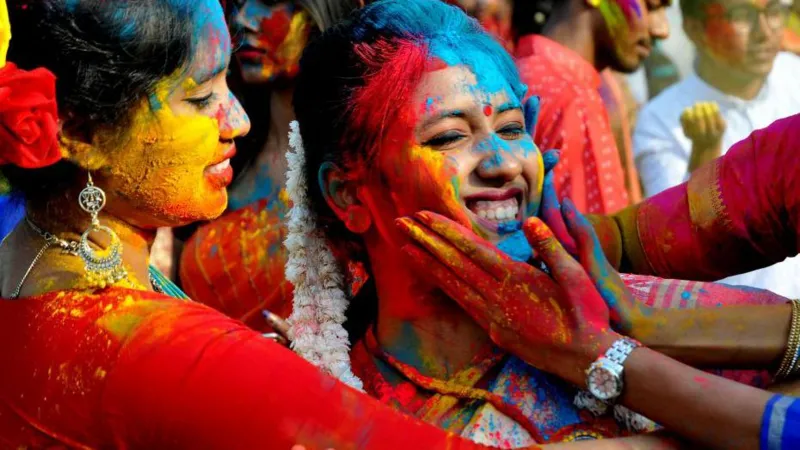
This year, millions around the globe are joyfully celebrating Holi, the vibrant festival of colors that marks the arrival of spring and the triumph of good over evil. Revered as one of India's most significant festivals, Holi unites communities and families in a tapestry of color, music, and shared traditions.
The Significance of Holi
Holi is deeply rooted in Hindu mythology, representing the victory of Prahlad over the demoness Holika. The legendary tale reminds people that good ultimately prevails, fostering a spirit of hope and resilience. As bonfires are lit on the eve of Holi, participants symbolically burn away negativity, allowing positive energies to flourish.
Cultural Revelry and Togetherness
A significant aspect of Holi involves the communal celebration where friends and families gather in the streets to smear vibrant powders on each other. The atmosphere is filled with laughter and music, as people dance to traditional songs, reinforcing bonds and fostering a sense of belonging. In cities like Mathura and Vrindavan, where the festival's connection to Lord Krishna's childhood is strong, the celebrations are particularly spectacular, attracting visitors from all over the world.
Delicious Treats and Refreshments
Alongside the colorful festivities, Holi also offers a chance to indulge in traditional delicacies. Families prepare an array of mouth-watering sweets and snacks, with thandai, a delicious milk-based beverage infused with nuts and spices, being a centerpiece of the celebration. Sharing these treats adds a layer of warmth and camaraderie to the joyous occasion.
As the festival unfolds, it not only marks the change of seasons but also acts as a reminder of the strength of community, the beauty of tradition, and the shared hopes for a brighter, more harmonious future. Holi stands as a testament to the enduring spirit of humanity, as people around the world come together to celebrate life, love, and unity.

