Historic U.S.-Iran Ceasefire: A New Dawn for Global Stability
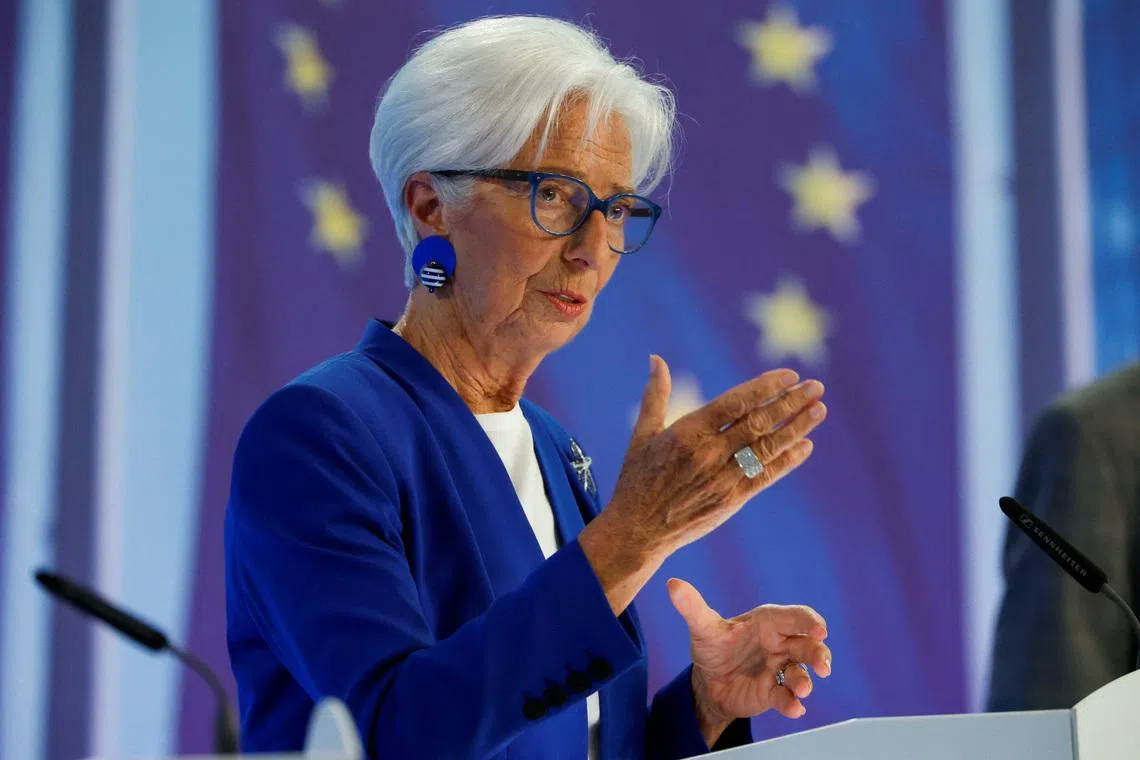
In a significant breakthrough, officials from the United States and Iran have reached an agreement to end their ongoing conflict, marking a pivotal step towards peace in the region. European Central Bank (ECB) President Christine Lagarde expressed her optimism regarding this development, highlighting the potential for reopening the critical Strait of Hormuz, a major thoroughfare for global energy shipments.
Market Reactions and Economic Implications
The announcement of the ceasefire has already triggered a notable response in financial markets, with oil prices beginning to decline. This is an encouraging sign for stakeholders who feared the economic repercussions of prolonged conflict. Financial investors have adjusted their projections, now anticipating a more restrained pace of interest rate hikes by the ECB, which is critical for ongoing economic recovery within the eurozone.
Conditional Optimism
Despite the uplifting initial news, President Lagarde has urged caution, stating that the road to long-term peace will require further negotiations, especially regarding contentious issues such as uranium enrichment. This acknowledgment reminds us that while the ceasefire is promising, sustained efforts will be necessary to ensure stability and address underlying tensions.
Looking Ahead
The ceasefire represents not only a potential turning point in U.S.-Iran relations but could also contribute to greater geopolitical stability. As the situation evolves, the eyes of the world will remain focused on the developments surrounding this agreement, hopeful for a future characterized by dialogue and cooperation rather than conflict.

