Historic Trade Deal: India and US Unite for Economic Prosperity
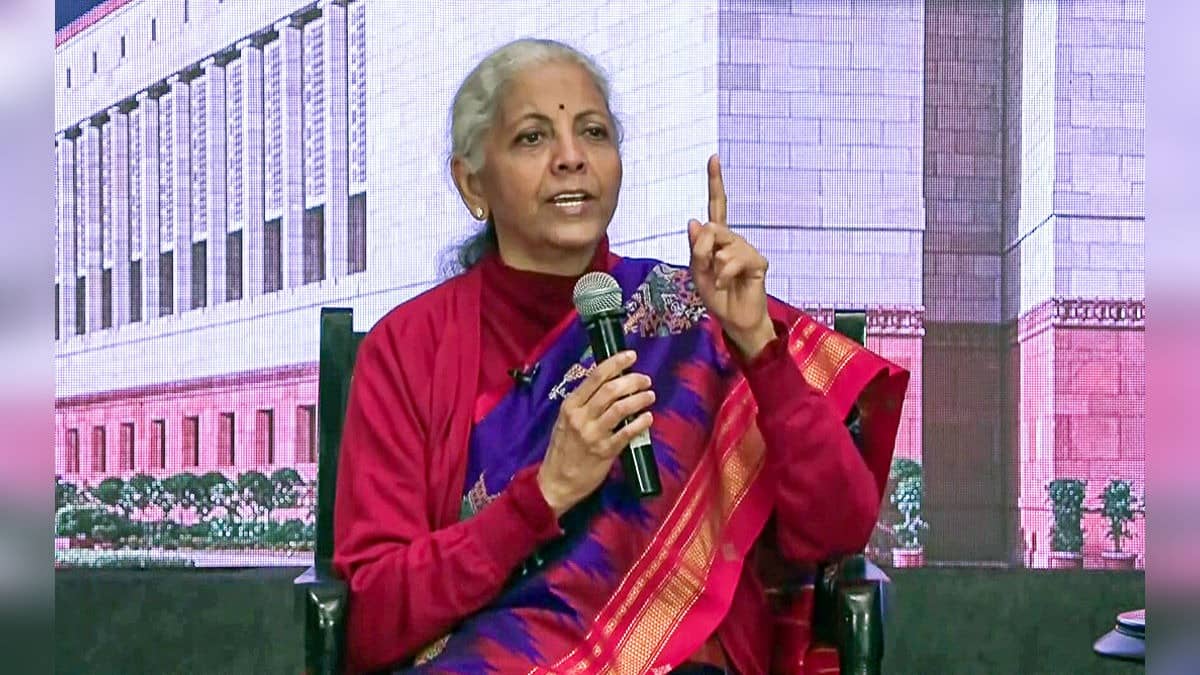
In a significant move that could reshape economic dynamics between India and the United States, Finance Minister Nirmala Sitharaman announced a much-anticipated trade deal on February 3, 2026. The deal sees the US reducing tariffs on Indian goods from 25% to an encouraging 18%, a development hailed as a win for "Made in India" products.
Support from Leadership
Sitharaman expressed gratitude towards Prime Minister Narendra Modi and US President Donald Trump for their roles in facilitating this trade agreement. In her social media post, she referred to the tariff reduction as "good news" for Indian manufacturers and emphasized the potential benefits for citizens in both democracies.
Implications of the Trade Deal
This tariff reduction is expected to enhance the competitiveness of Indian products in the US market, potentially leading to increased exports and economic growth. Modi echoed similar sentiments, declaring on social media his delight at the agreement that will benefit nearly 1.4 billion Indians. Both leaders view this initiative as a step towards deepening bilateral relations and fostering mutual respect.
A Step Towards Global Cooperation
In recent discussions, President Trump characterized Prime Minister Modi as a close ally and acknowledged their shared commitment to navigating global challenges, including energy sourcing amidst geopolitical tensions. The trade deal is seen not only as a commercial arrangement but also as a diplomatic gesture reinforcing the friendship between the two nations.
As the world watches, this historic trade deal marks a new chapter in India-US relations, potentially setting a precedent for future collaborations. Such meaningful partnerships could pave the way for greater stability and economic cooperation in an increasingly interconnected global landscape.

